

State of Illinois Releases Disproportionately Impacted Areas for Cannabis Program’s Social Equity Applicants
 SPRINGFIELD - As the most equity-centric adult use cannabis program in the nation prepares to enter its next phase, the Pritzker Administration is releasing maps that designate which parts of the state qualify as “disproportionately impacted areas” for social equity applicants. More than 2 million Illinoisans live in the 683 Census tracts that make up the disproportionately impacted areas.
The Department of Commerce and Economic Opportunity determined the disproportionately impacted areas using criteria established in the new state law. To be designated as a disproportionately impacted area, a Census tract must have high rates of arrest, conviction, and incarceration related to cannabis, among other qualifications including poverty and unemployment.
Get The Latest News!
Don't miss our top stories and need-to-know news everyday in your inbox.
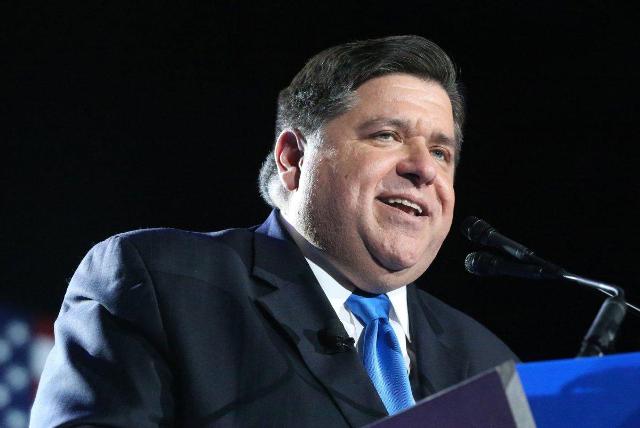
“As Illinois continues its path toward putting equity at the forefront of the state’s new adult-use cannabis expansion, it’s important to create opportunities in communities that have been hardest hit by the war on marijuana,” said Governor JB Pritzker. “Not only will social equity applicants receive points on their applications, but many applicants will also get grants, technical assistance, low-interest loans and fee reductions and waivers. Taken together, these efforts will do more than any other state in the nation has done to focus on equity.”
To qualify as a social equity applicant, the statute requires Illinois residency and one of the following criteria:
A. At least 51% ownership and control by one or more individuals who have resided at least 5 of the preceding 10 years in a disproportionately impacted area;
B. At least 51% ownership and control by one or more individuals [or family member of an individual] who have been arrested for, convicted of, or adjudicated delinquent for an offense that is eligible for cannabis expungement; or
C. Applicants with minimum of 10 full-time employees, at least 51% of employees who:
A. Currently reside in a disproportionately impacted area; or
B. Have been arrested for, convicted of, or adjudicated delinquent for an offense that is eligible for cannabis expungement, or is a member of an impacted family.
Upcoming milestones in the timeline include:
Timeline for Conditional Adult Use Dispensing Organization License:
• The Illinois Department of Financial and Professional Regulation will post the application on October 1, 2019.
• IDFPR will provide two separate periods for applicants to submit questions to the agency.
• IDFPR will begin accepting applications on December 10, 2019.
• IDFPR will stop accepting applications at noon on January 2, 2020.
• IDFPR will issue up to 75 licenses by May 1, 2020.
Collectively, these efforts demonstrate the administration’s commitment to ensuring communities that have been historically impacted by the justice system due to cannabis-related offenses are able to participate in Illinois’ legal cannabis industry. Later this year, DCEO will launch a program to provide low-interest loans to qualified social equity applicants. The loans will help applicants cover the expense of starting and operating a cannabis business.
“Too many communities in Illinois have been torn apart due to failed drug policies. By providing resources to justice-impacted individuals and members of their communities, we can ensure that the legalization of cannabis benefits all Illinoisans, regardless of income or background,” said Erin Guthrie, Acting Director of the Department of Commerce and Economic Opportunity.
“We’re committed to ensuring that this process is transparent, fair and accessible to people from all communities in Illinois,” said Deborah Hagan, Secretary of the Illinois Department of Financial and Professional Regulation. “We look forward to reviewing applications and providing information to those who are interested in learning more.”
Entrepreneurs who apply for a license to operate a cannabis business will have the option to include information to verify their status as a social equity applicant. Social equity applicants will also have the opportunity to apply for a DCEO loan.
In addition to offering loans, DCEO will offer technical assistance and support for social equity applicants on everything from putting together a business plan to applying for a license. To view the map of disproportionately impacted areas, click here .
More like this:


- Most Popular

- Top Stories

- Most Recent