This Day in History on August 20: The Iran-Iraq War Ends
The United Nations brokered a ceasefire between Iran and Iraq in 1988. Other events throughout history have also shaped today.

August 20th holds a significant place in global history, marked by events that have shaped nations, cultures, and international relations.
Get The Latest News!
Don't miss our top stories and need-to-know news everyday in your inbox.
Arguably the most impactful event observed on August 20th occurred in 1988, when Iran and Iraq agreed to a ceasefire ending one of the longest and most devastating conflicts of the late 20th century—the Iran-Iraq War. This ceasefire, brokered by the United Nations, was a critical turning point in Middle Eastern geopolitics, halting nearly eight years of brutal warfare that claimed hundreds of thousands of lives and caused widespread destruction across both countries.
The Iran-Iraq War, which began in 1980, was fueled by territorial disputes and deep-seated political tensions. Over the years, it evolved into a complex conflict involving not just the two nations but also drawing in regional and global powers through proxy engagements and arms support. The ceasefire agreement signed on August 20, 1988, under UN Resolution 598, mandated a cessation of hostilities and set the stage for future diplomatic efforts aimed at stabilizing the region. The agreement was pivotal in preventing further loss of life and laid the groundwork for the eventual peace treaty signed years later.
Moving earlier in history, August 20, 1866, was the day the Kingdom of Hungary was officially recognized as part of the Austro-Hungarian Empire following the Austro-Hungarian Compromise of 1867. This agreement transformed the Austrian Empire into a dual monarchy, with Hungary gaining considerable autonomy. The compromise was a significant moment in European history, as it reshaped the political landscape in Central Europe and influenced nationalist movements across the continent for decades to come.
In the realm of exploration, August 20, 1935, marks the first flight of the Douglas DC-3, an aircraft that revolutionized commercial aviation. Known for its durability and efficiency, the DC-3 played a critical role in establishing reliable air travel and contributed significantly to the development of the airline industry worldwide. This aircraft's legacy continued well into the 20th century, symbolizing innovation and progress in transportation.
On a cultural note, August 20, 1968, saw Soviet-led Warsaw Pact troops invade Czechoslovakia to suppress the Prague Spring, a period of political liberalization and reform. The invasion was a stark reminder of the Cold War tensions and the limits placed on sovereignty within the Eastern Bloc. The events of that day had profound implications for global politics, highlighting the struggle between authoritarian control and the desire for political freedom.
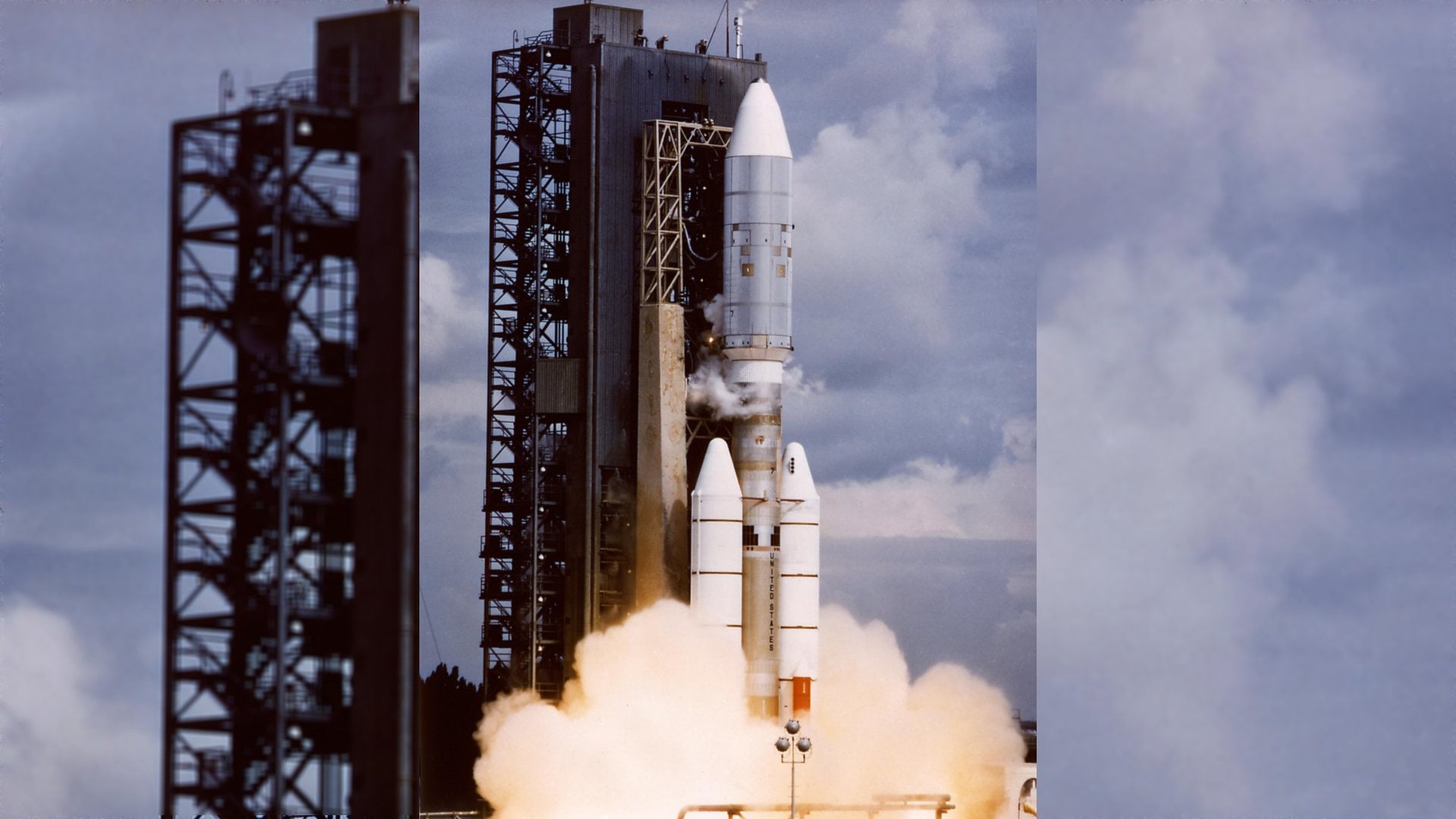
In science and technology, August 20, 1977, is remembered for the launch of Voyager 2 by NASA. This spacecraft embarked on a grand tour of the outer planets, providing humanity with unprecedented information about the solar system. Voyager 2’s mission expanded our understanding of planets like Jupiter, Saturn, Uranus, and Neptune, and it continues to send data from beyond the edge of our solar system, exemplifying human curiosity and exploration.
Sports enthusiasts may recall August 20, 1991, when the first World Athletics Championships were held in Tokyo, Japan. This event brought together athletes from around the globe, showcasing extraordinary talent and fostering international camaraderie through competition. The championships have since become a cornerstone of the athletics calendar, promoting sportsmanship and excellence.
In summary, August 20 is a day rich with historical significance across a spectrum of fields.
More like this:



- Most Popular



- Top Stories


- Most Recent