

This Day in History on January 13: Mickey Mouse Comic Strip Debuts
Read on to learn more about what has happened on this date in history.
The story began years earlier, when France was anxious about national security and divided by political rivalries. Dreyfus was convicted in 1894 and sent to harsh imprisonment on Devil’s Island. As doubts grew about the evidence, parts of the military resisted reopening the case, fearing embarrassment and loss of authority. Zola, already famous as a novelist, decided that quiet appeals were not enough. By naming officials and alleging wrongdoing in print, he raised the stakes. The state responded by prosecuting him for libel, and he fled to England for a time. Yet the public pressure he helped create did not fade. Over the following years, the case was reexamined, and Dreyfus was eventually exonerated. “J’Accuse…!” became a lasting symbol of how a single publication can shift a national conversation and how the fight over facts can reshape politics and law.
Get The Latest News!
Don't miss our top stories and need-to-know news everyday in your inbox.
Long before that French controversy, January 13 had already seen turning points in power and empire. In 532, the Nika riots erupted in Constantinople during the reign of Emperor Justinian I. What began as unrest tied to chariot-racing factions expanded into a broad political revolt, fueled by anger over taxes, corruption, and factional violence. The riots nearly toppled Justinian, and large parts of the city were burned. The crackdown was brutal, but the aftermath also set the stage for rebuilding, including the construction of the Hagia Sophia in its famous form. The episode is remembered as a reminder that public order, entertainment culture, and political legitimacy could collide dramatically in the ancient world.
In 1128, another kind of institutional change took place when Pope Honorius II formally approved the Knights Templar. The Templars started as a small group intended to protect pilgrims traveling in the Holy Land. Papal recognition gave them standing, resources, and a role in the wider system of Crusader-era politics and warfare. Over time, they became a powerful organization with land holdings and financial influence across Europe and the eastern Mediterranean. Their later downfall would also show how quickly political winds could turn against even well-connected institutions.
In the 20th century, January 13 is closely associated with Lithuania’s struggle to restore its independence. On January 13, 1991, Soviet troops and allied forces attempted to seize key sites in Vilnius, including the television tower. Civilians gathered to protect institutions they saw as symbols of national self-rule. Fourteen people were killed and many were injured. The violence did not reverse Lithuania’s push for independence, and the event became a powerful marker of the country’s break from Soviet control. It remains significant as an example of how mass civic resistance and political change can intersect, and how the collapse of a large political system affected individual nations in different ways.
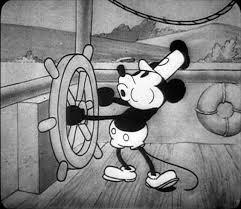
Culture and media also left their mark on this date. In 1930, Mickey Mouse appeared in the comic strip format for the first time, expanding the character’s reach beyond animated shorts. Comic strips were a major mass medium in the early 20th century, and the move helped turn Mickey into a durable global brand. The shift showed how entertainment properties could travel across formats—film, print, merchandise—and become a shared reference point for audiences in many countries.
Deaths on January 13 also point to lasting legacies. In 1941, James Joyce died in Zurich. Joyce’s novels and stories, especially Ulysses, transformed modern literature through inventive language and deep psychological realism. His work influenced writers around the world and helped expand what the novel could do.
In 1978, Hubert Humphrey died after a long career in U.S. public life, including service as vice president and as a senator. He was a prominent figure in mid-20th-century liberal politics and is often linked to major debates over civil rights, social policy, and the direction of American political parties during a period of rapid change.
Taken together, January 13 shows how history can pivot on many kinds of actions.
More like this:




- Most Popular



- Top Stories

- Most Recent