This Day in History on July 22: Wiley Post Flies Solo Around the World
July 22 has been a day marked by transformative events that have shaped the course of history across the globe.
Get The Latest News!
Don't miss our top stories and need-to-know news everyday in your inbox.
One of the most consequential events on this day occurred in 1298, during the Scottish Wars of Independence. The Battle of Falkirk saw King Edward I of England decisively defeat the forces of William Wallace, the legendary Scottish patriot. Although a setback for Scottish independence, the battle demonstrated the fierce determination of Wallace’s forces and the complexities of medieval warfare. This event not only shaped Scotland’s struggle for sovereignty but also inspired generations with its themes of resistance and national identity.
Fast forward several centuries to July 22, 1484, when Pope Innocent VIII issued the papal bull Summis desiderantes affectibus. This decree explicitly endorsed the persecution of witches, bolstering the witch hunts that would grip Europe in the following decades. The bull's issuance marked a grim chapter in history, highlighting the intersection of religious authority and social fear. Understanding this event provides insight into the societal and cultural dynamics of late medieval Europe.
In the spirit of peace and diplomacy, July 22, 1291, also stands out with the founding of the Swiss Confederacy. This alliance among mountain communities laid the groundwork for modern Switzerland’s unique identity as a neutral and unified nation. The confederacy's origins emphasize the enduring human quest for cooperation and security amidst political turmoil.
The 19th century brought technological and cultural advancements that also found their place on July 22. In 1843, the cornerstone of the British Museum’s Reading Room was laid. This architectural marvel would become a hub for scholars and a symbol of the Victorian era’s commitment to knowledge and public education. The Reading Room’s influence extends beyond its walls, reflecting a societal shift toward valuing accessibility to information.
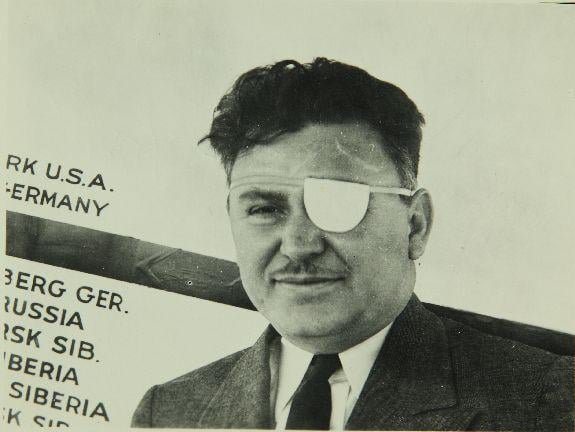
July 22, 1933, witnessed a significant moment in aviation history with Wiley Post becoming the first pilot to fly solo around the world in just over seven days. His feat not only showcased human endurance and innovation but also paved the way for the future of global air travel. Post’s journey remains a testament to the adventurous spirit that drives technological progress.
On a more somber note, July 22, 1942, marked the beginning of the systematic deportation of Jews from the Warsaw Ghetto during World War II. This tragic event was part of the broader Holocaust, underscoring the devastating impact of hatred and totalitarianism. Remembering these events is crucial to honoring the victims and reinforcing the importance of vigilance against oppression.
In the realm of science, July 22, 2000, is notable for the discovery of the first exoplanet orbiting a sun-like star, 51 Pegasi b. This groundbreaking finding expanded our understanding of the universe and ignited new questions about the possibility of life beyond Earth. The discovery symbolizes humanity’s enduring curiosity and the quest to explore the cosmos.
More recently, on July 22, 2011, Norway faced one of its darkest days when a far-right extremist carried out twin attacks in Oslo and on the island of Utøya, resulting in 77 deaths. This tragedy shocked the world and prompted widespread discussions on extremism, security, and the resilience of democratic societies. The response to this event highlights the importance of unity and vigilance in the face of violence.
These moments, spanning centuries and continents, illustrate the rich tapestry of human history embedded in July 22.
More like this:



- Most Popular



- Top Stories



- Most Recent