

This Day in History on November 5: Guy Fawkes Night Commemorates Failed Plot
Read on to learn more about what has happened on this date in history.
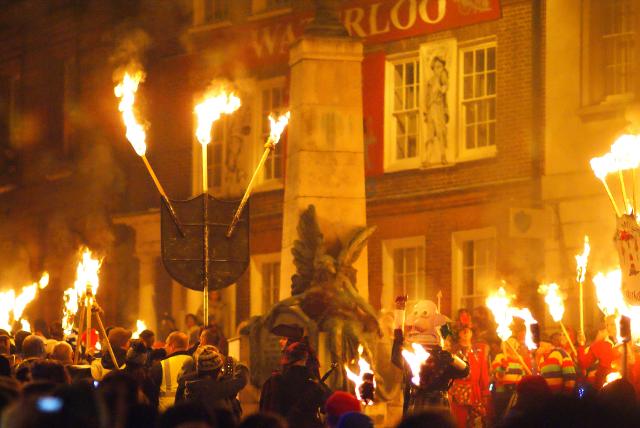
November 5th is a date etched deeply into the annals of history, marked by events that have shaped nations, inspired revolutions, and influenced the cultural tapestry of our world.
Get The Latest News!
Don't miss our top stories and need-to-know news everyday in your inbox.
Traveling back nearly three centuries, November 5th is famously remembered in the United Kingdom as Guy Fawkes Night or Bonfire Night. The date commemorates the failure of the Gunpowder Plot of 1605, a conspiracy led by a group of English Catholics, including Guy Fawkes, to blow up the House of Lords and assassinate King James I. This plot aimed to end Protestant rule and restore a Catholic monarch to the throne. When the conspiracy was foiled on the night of November 4th into the early hours of November 5th, it sparked widespread relief and celebrations that continue to this day with fireworks, bonfires, and various festivities across the UK. The event has also inspired political and cultural discourse, symbolizing resistance against tyranny and the complexities of religious and political conflicts in early modern England.
Culturally, November 5th has seen its share of notable moments. In 1935, Parker Brothers introduced the board game Monopoly to the public, a game that would become a household name and a staple of family entertainment worldwide. Monopoly not only reflects economic principles but also serves as a social commentary on capitalism, property ownership, and wealth accumulation. Its enduring popularity highlights the intersection of leisure, education, and cultural values.
On the political front, November 5th has often been a day of elections and power shifts. For example, in the United States, Election Day frequently falls on the first Tuesday after the first Monday in November, and November 5th has served as a significant election date multiple times in American history. Notably, the 2002 United States midterm elections were held on November 5th, marking important changes in congressional representation that influenced policy direction in the early 21st century.
Globally, November 5th has also witnessed moments of conflict and resolution. During World War I, on November 5th, 1916, the Battle of the Ancre Heights concluded as part of the larger Battle of the Somme, one of the bloodiest battles in human history. The Somme offensive symbolized the brutal stalemate and immense human cost of trench warfare. Remembering these battles on their anniversaries serves as a solemn reminder of the sacrifices made and the importance of pursuing peace.
As we reflect on these diverse events spanning politics, science, culture, and conflict, November 5th emerges as a day of profound significance.
More like this:



- Most Popular



- Top Stories


- Most Recent