This Day in History on October 14: Cuban Missile Crisis Begins
Read on to learn more about what has happened on this date in history.

October 14 has been a date marked by pivotal moments that shaped the course of history across the globe.
Get The Latest News!
Don't miss our top stories and need-to-know news everyday in your inbox.
Going back to 1066, October 14 was the date of the Battle of Hastings, a decisive conflict that reshaped English history. William the Conqueror’s Norman forces defeated King Harold II’s Anglo-Saxon army, leading to the Norman conquest of England. This battle not only altered the political landscape but also had profound cultural and linguistic impacts, influencing English society for centuries to come.
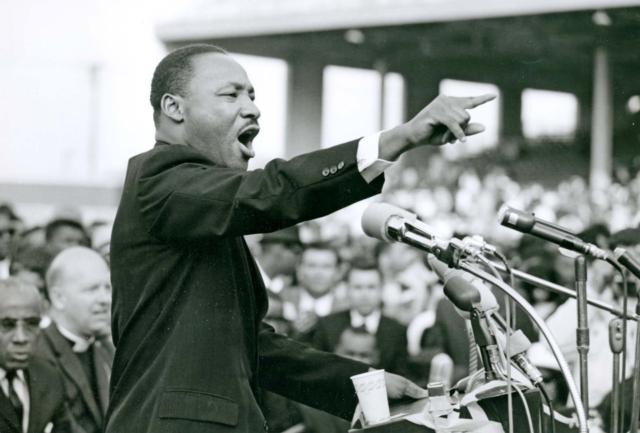
The date also has significance in politics and civil rights. In 1964, Martin Luther King Jr. was awarded the Nobel Peace Prize, becoming the youngest recipient at the time. His leadership in the American civil rights movement had a profound impact not only in the United States but around the world, inspiring movements for justice and equality.
Moreover, on October 14, 1940, the world witnessed the first broadcast of the BBC television news bulletin, marking a new era in how people received and consumed news media. This innovation paved the way for modern television journalism and real-time information sharing.
Sports history also finds its place on this date. In 1959, the first-ever World Weightlifting Championships for women were held, highlighting the growing inclusion and recognition of women athletes in international sports competitions.
October 14, 1962, was the date when the Cuban Missile Crisis began to escalate, bringing the world to the brink of nuclear war. The subsequent negotiations and resolution underscored the importance of diplomacy and communication in global security.
These events collectively underscore October 14 as a day rich with moments that have influenced warfare, culture, science, and human rights.
More like this:



- Most Popular



- Top Stories



- Most Recent