‘Tis the Season for Those S.A.D. “Winter Blues” to Begin Appearing

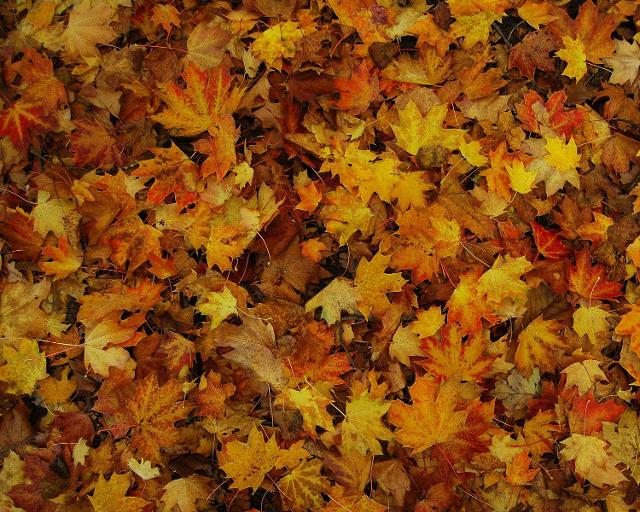
ALTON – Now that we’ve made our clocks “fall back” an hour, and with the holiday season fast approaching, just like the fall foliage popping up everywhere, there are some individuals that may begin experiencing those “winter blues” that are closely associated with Seasonal Affective Disorder (SAD).
According to Psychology Today, Seasonal Affective Disorder (SAD) is a type of recurrent major depressive disorder in which episodes of depression occur during the same season each year. This condition is sometimes called the "winter blues," because the most common seasonal pattern is for depressive episodes to appear in the fall or winter and remit in the spring.
Get The Latest News!
Don't miss our top stories and need-to-know news everyday in your inbox.
Seasonal Affective Disorder is estimated to affect 10 million Americans. Another 10%-20% may have mild SAD. The onset of SAD is estimated to be between the ages of 18-30. Some people experience symptoms severe enough to affect the quality of life, and 6% require hospitalization.
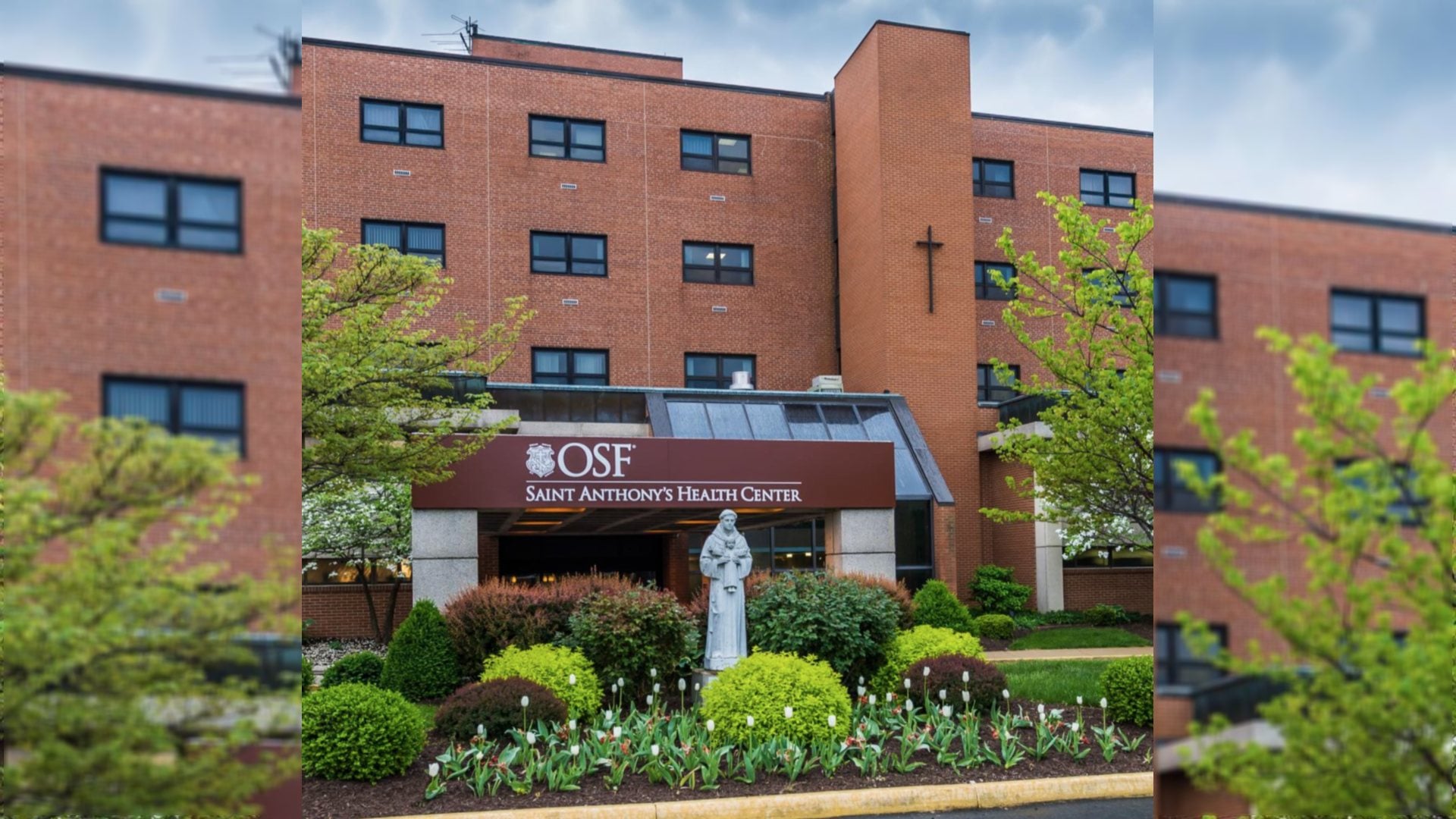
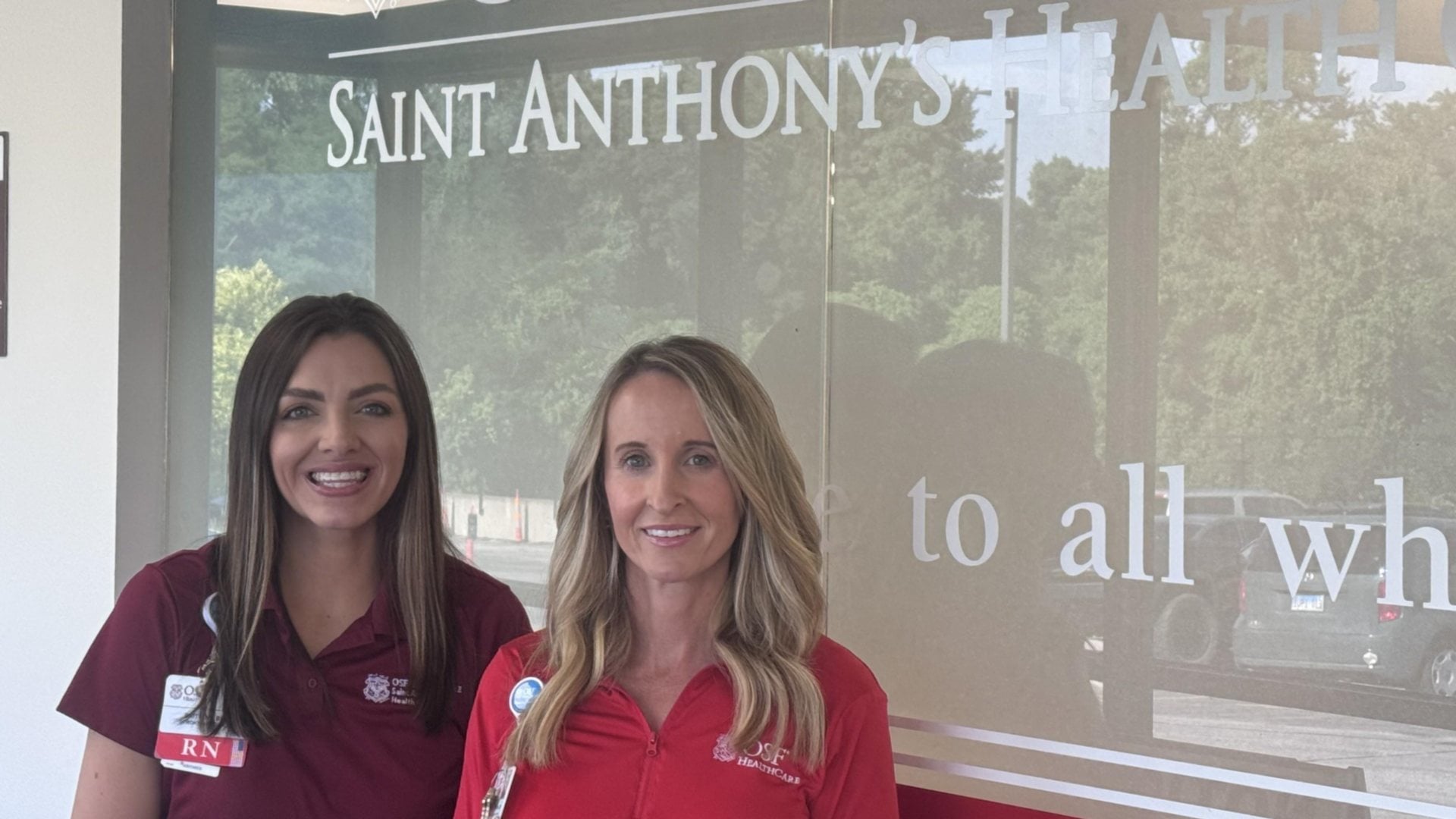
“It is thought that shorter days and less daylight may set off a chemical change in the brain leading to symptoms of this specific depressive disorder,” says Marla Nelson, a licensed clinical professional counselor in the Psychological Services department at OSF Saint Anthony’s Health Center in Alton. “There's no known way to prevent SAD but managing symptoms early can help prevent them from worsening.”
Symptoms associated with Seasonal Affective Disorder can include:
- Mood changes: Feeling sad, anxious, hopeless, worthless, or guilty
- Sleep changes: Oversleeping or having trouble waking up
- Energy changes: Feeling fatigued or having decreased energy
- Appetite changes: Increased appetite, especially for carbohydrates and sweets
- Cognitive changes: Difficulty concentrating, remembering, or making decisions
- Physical changes: Physical aches or pains, headaches, cramps, or digestive problems
- Thoughts: Thoughts of death or suicide
SAD is more common in people who live farther north, in younger people, and four times more common in women than men. It can be caused by several factors, including:
- Less sunlight and shorter days
- Changes in the hormone melatonin, which is related to sleep
- Chemical changes in the brain
And while Seasonal Affective Disorder (SAD) is more specifically related to changes in daylight hours, the holidays can make feelings of loneliness worse and contribute to SAD.
“The ‘holiday blues’ are feelings of sadness or anxiety caused by stresses beginning around Thanksgiving and possibly lasting through New Year’s,” says Nelson. “These stresses are different from the changes in daylight hours that cause SAD. However, some individuals may feel rather relieved that the holidays are over and ready to move one, but for others, the ‘holiday blues’ are a real experience that can even trigger emotions like depression, anxiety, and general uneasiness.”
Treatments for Seasonal Affective Disorder include:
- Light therapy: Also known as phototherapy, this treatment involves sitting near a special light box to mimic natural sunlight.
- Psychotherapy: Cognitive behavioral therapy (CBT) is a type of psychotherapy that has been shown to be effective in treating SAD.
- Medication: Antidepressants may be recommended by a provider, either alone or in combination with other treatments.
- Vitamin D: A vitamin D supplement may help improve symptoms.
- Spending time outdoors: Getting more sunlight can help improve symptoms.
Some may wonder if there are self-care options to consider. According to Psychology Today, with SAD, it is important to:
- Monitor and track mood and energy levels
- Take advantage of available sunlight
- Plan pleasurable activities for the winter season
- Plan physical activities
- Approach the winter season with a positive attitude
- When symptoms develop, seek help sooner rather than later
More information, treatment options, and counseling services available to residents of the Riverbend region regarding Seasonal Affective Disorder can contact the Psychological Services department at OSF Saint Anthony’s by calling (618) 474-6240, or by visiting online at www.osfsaintanthonys.org.
AboutOSF HealthCare Saint Anthony’s Health Center: A 49-bed Rural Health designated acute care hospital in Alton, Illinois, OSF Saint Anthony’s serves the residents of Madison, Jersey and Macoupin counties. It is home to OSF Moeller Cancer Center, which provides the latest diagnostic tools and treatment for patients in a relaxing environment. OSF Saint Anthony’s also provides 24-hour access to a physician-staffed emergency department, in addition to cardiovascular, neurology, pulmonology, surgical, rehabilitation services and more. OSF Saint Anthony’s is fully accredited by the Joint Commission for Healthcare Facilities, American College of Surgeons’ Commission on Cancer, American College of Radiology, American Heart Association, IDPH and TJC Primary Stroke Center. OSF Saint Anthony’s is part of OSF HealthCare – an integrated health system with 15 hospitals in Illinois and Michigan and robust Innovation and Digital Health divisions that provide access to specialty care and remote monitoring, helping people receive the care they need close to home. OSF HealthCare is operated by The Sisters of the Third Order of Saint Francis.
More like this:

- Most Popular
- Top Stories


- Most Recent