


Top Tips for Maintaining Your Summer Garden as Fall Approaches
Instead of winding down in the fall season, now is the perfect time to give your garden a little extra attention.
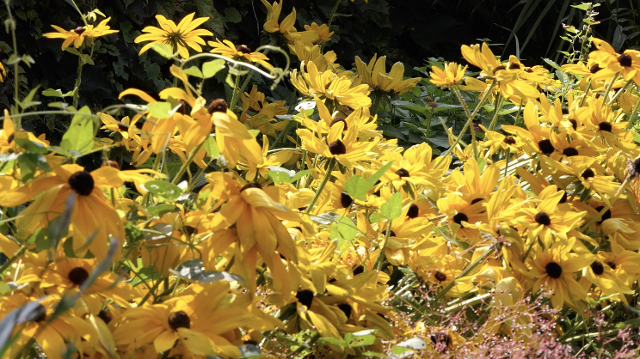
Did you know that gardens receiving just a little extra attention during the transition from summer to fall can yield up to 30% more blooms and healthier plants the following spring? This often-overlooked window of opportunity is crucial for preserving the vibrancy and longevity of your garden. Preparing your summer garden for the upcoming months not only safeguards your investment in plants and landscaping but also sets the stage for a flourishing garden next year.
Assessing Your Garden’s Health Before the Shift
Get The Latest News!
Don't miss our top stories and need-to-know news everyday in your inbox.
The first step in maintaining your summer garden is a thorough evaluation of its current condition. Identifying stressed plants, pests, or diseases early can prevent problems from escalating and ensure a smoother transition into fall.
Inspect for Pests and Diseases: Examine leaves, stems, and soil for signs of aphids, spider mites, fungal infections, or other common summer garden issues. Early detection allows for targeted treatments that minimize damage.
Evaluate Plant Vigor: Look for plants that appear weak, discolored, or have stunted growth. These may need additional nutrients or pruning to recover before the colder months.
Soil Check-Up: Test soil moisture and nutrient levels. Summer heat often depletes soil nutrients, so replenishing them now can aid plant recovery.
For example, gardeners in temperate zones often find that late summer aphid infestations can be controlled effectively with neem oil applications, preventing these pests from overwintering and causing more damage in spring.
Strategic Pruning and Deadheading
Pruning and deadheading are essential maintenance tasks that encourage healthy growth and improve garden aesthetics during the transitional period.
Remove Dead or Diseased Foliage: Cutting back damaged leaves and stems reduces the risk of disease spreading and improves air circulation.
Deadhead Spent Flowers: Removing faded blooms redirects the plant’s energy towards root and foliage development rather than seed production.
Shape Perennials and Shrubs: Light pruning helps maintain structure and prevents overcrowding, which can harbor pests or fungal growth.
A practical tip is to avoid heavy pruning of late-blooming perennials like asters and chrysanthemums too early, as this can reduce fall bloom potential. Instead, focus on removing only damaged parts and wait until after the first frost for major cuts.
Soil Enrichment and Mulching
As summer plants exhaust the soil’s nutrients, replenishing and protecting the ground becomes crucial.
Amend Soil with Organic Matter: Incorporate compost, well-rotted manure, or leaf mold to improve soil texture and nutrient content.
Apply Mulch Layers: A 2-3 inch layer of organic mulch such as shredded bark or straw helps retain moisture, regulate soil temperature, and suppress weeds.
Consider Cover Crops: Planting cover crops like clover or rye can enhance soil fertility and prevent erosion during the off-season.
In practice, gardeners who amended their beds with compost and applied mulch in late summer observed stronger root systems and less weed pressure in the following spring, according to a study by the National Gardening Association.
Watering Wisely as Temperatures Drop
Water management shifts as the environment cools, but it remains a vital component of garden care.
Adjust Watering Frequency: Reduce watering gradually to match decreased plant water needs but avoid letting the soil dry out completely.
Deep Watering Practices: When watering, aim for deep soakings rather than frequent shallow sprays to encourage robust root growth.
Monitor Rainfall: Use a rain gauge to track natural precipitation and supplement only when necessary.
An anecdote from an experienced gardener highlights that maintaining consistent soil moisture during early fall prevented the wilting and premature leaf drop of sensitive plants like tomatoes and basil, extending their productivity.
Preparing for Frost and Cold Protection
Though frost may seem distant, early preparation can mitigate damage to tender plants.
Identify Frost-Sensitive Species: Take note of plants that require protection, such as tropicals or late-season annuals.
Use Protective Covers: Employ row covers, cloches, or frost blankets during cold snaps to shield vulnerable foliage.
Plan for Indoor Transition: Consider moving potted plants indoors or to sheltered locations before the first frost.
For instance, gardeners who covered their vegetable beds with frost cloths reported a successful harvest of late-season crops like kale and spinach well into fall.
Planning for Next Year’s Growth
Maintaining a summer garden as fall approaches also involves forward-thinking strategies to optimize next season’s success.
Collect Seeds: Harvest seeds from annuals and perennials for future planting, ensuring genetic continuity and cost savings.
Document Garden Layout: Take notes or photographs of plant placement and performance to inform next year’s design.
Order or Prepare Bulbs and Seeds: Early preparation ensures timely planting when spring arrives.
A noteworthy example is the practice of seed saving among heirloom vegetable gardeners, which preserves plant varieties adapted to local growing conditions over generations.
Taking proactive steps to nurture your garden as summer fades is an investment that pays dividends in plant health, garden beauty, and seasonal enjoyment. By assessing plant health, pruning strategically, enriching the soil, managing water thoughtfully, protecting against frost, and planning ahead, gardeners can ensure their outdoor spaces remain vibrant and resilient. The end-of-summer period is not a time to wind down but a pivotal phase for cultivating lasting success in your garden.
More like this:



- Most Popular



- Top Stories

- Most Recent


