


Two Rivers National Wildlife Refuge Draws Down Water in Swan Lake to Improve Fish and Wildlife Habitat
 Brussels, Ill. - Two Rivers National Wildlife Refuge managed by the U.S. Fish and Wildlife Service has begun a wildlife habitat enhancement project to improve habitat conditions for fish and wildlife in Calhoun County, Ill. Over the next couple of weeks water will be slowly removed from the refuge’s 2,600 acre Swan Lake in an effort to promote the growth of aquatic vegetation in the lake.
Over the years Swan Lake has filled with sediment making conditions unsuitable for growth of aquatic vegetation needed by fish and wildlife for feeding, resting and shelter. Drying the soil at the bottom of the lake allows vegetation to germinate.
Get The Latest News!
Don't miss our top stories and need-to-know news everyday in your inbox.
In the fall the lake will be re-flooded to prepare for fall waterfowl migration. This process mimics the natural water level fluctuation in the river and backwaters.
AWe’re attempting to restore a habitat condition that hasn’t existed for at least a few decades” said John Mabery, Refuge Manager. “If everything goes well, and aquatic vegetation returns as expected, we should see tremendous benefits for waterfowl and other aquatic related wildlife.@
These benefits according to refuge biologist Kenneth Dalrymple include better water quality, greater numbers and varieties of macro invertebrates, which mean better conditions for fish and wildlife.
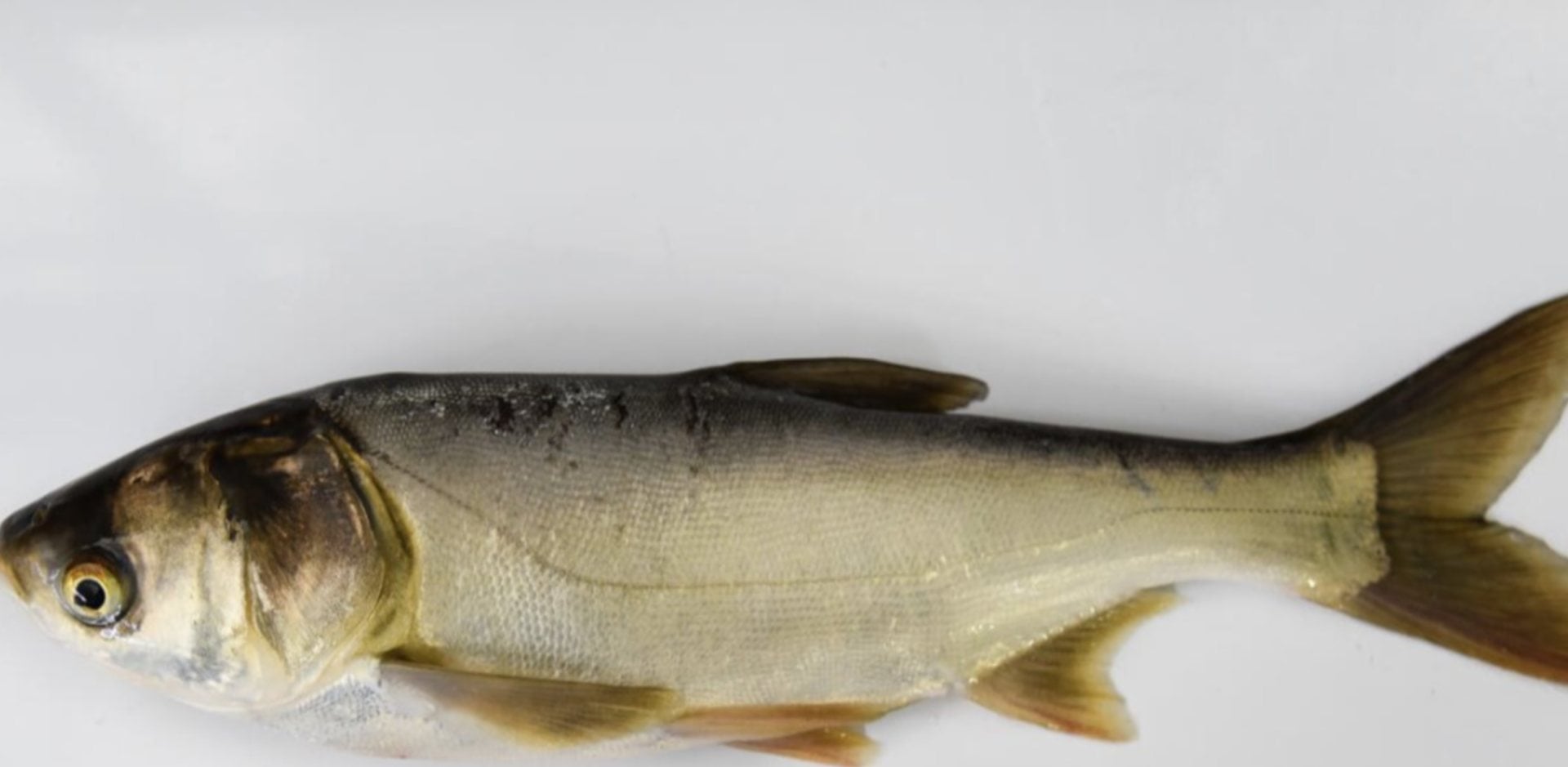
“The lake currently supports almost entirely rough fish like Asian carp and short nose gar and many of these fish will die from a lack of oxygen during the drawdown process. This project should make the lake more attractive to a variety of species, including sport fish such as bass, bluegill and crappie” said Mabery.
Public use of the lake may also be affected. Boat use will not be possible until the waters levels are restored in the fall. However, shallow water and mud flats created during the drawdown will attract large numbers of wading birds and shore birds like herons, egrets and sandpipers. Birders can expect large concentrations of shorebirds during late July and August.
For more information, call Cortney White-Solum at 618-883-2524 or email Cortney_White@fws.gov.
The mission of the U.S. Fish and Wildlife Service is working with others to conserve, protect, and enhance fish, wildlife, plants, and their habitats for the continuing benefit of the American people. We are both a leader and trusted partner in fish and wildlife conservation, known for our scientific excellence, stewardship of lands and natural resources, dedicated professionals, and commitment to public service. For more information on our work and the people who make it happen, visit www.fws.gov.
Connect with our Facebook page at www.facebook.com/usfwmidwest, follow our tweets at www.twitter.com/usfwsmidwest, watch our YouTube Channel at http://www.youtube.com/usfws and download photos from our Flickr page at http://www.flickr.com/photos/usfwsmidwest.
More like this:


- Most Popular



- Top Stories


- Most Recent

- Sign In
- Home
- Video
- News
-
Weather
 Sponsored by Michael Ryan Exteriors - Roofing Professionals
 - Sports
- Obits
- Events
- Radio
- AP News
- Shop Local
- Classifieds
- Autos
- Real Estate
- Directory
Get the RiverBender App


Follow Us
Copyright © 2026 RiverBender.com All rights reserved.
primary