

Unmasking Mardi Gras: A Journey Through Its Colorful Roots

Did you know that Mardi Gras is celebrated in over 50 countries around the world? While the festival is often synonymous with New Orleans, its origins stretch far beyond the vibrant streets of the Big Easy. This global celebration, marked by parades, masquerade balls, and indulgent feasting, offers a unique glimpse into the intersection of culture, tradition, and spirituality. As we peel back the layers of this exuberant festival, we discover the historical and cultural roots that give Mardi Gras its distinctive flavor.
The Historical Tapestry of Mardi Gras
To fully appreciate Mardi Gras, one must delve into its historical context. The term "Mardi Gras" translates to "Fat Tuesday" in French, referring to the last day before the Christian season of Lent begins. Traditionally, Lent is a period of fasting and penance leading up to Easter, but Mardi Gras represents a final chance to indulge in rich foods and festivities.
Get The Latest News!
Don't miss our top stories and need-to-know news everyday in your inbox.
The earliest traces of this celebration can be linked to ancient pagan festivals marking the arrival of spring and the fertility of the land. The Romans celebrated Lupercalia, a festival of fertility, while the Celts had their own spring festivals. As Christianity spread through Europe, these pagan customs were often assimilated into local religious practices, giving rise to the modern-day celebration of Mardi Gras.
In France, the first recorded Mardi Gras festivities took place in the 15th century. The celebration spread to the various colonies, including the French territories in North America. In the early 18th century, settlers in Louisiana brought the traditions of Mardi Gras with them, which eventually evolved into the grand festival we know today.
The Cultural Melting Pot of Mardi Gras
Mardi Gras is not just a singular event but rather a tapestry of diverse cultural influences. In New Orleans, the festival showcases a unique blend of French, Spanish, African, and Creole traditions. Each of these cultures has contributed to the rich tapestry of Mardi Gras, making it a truly unique celebration.
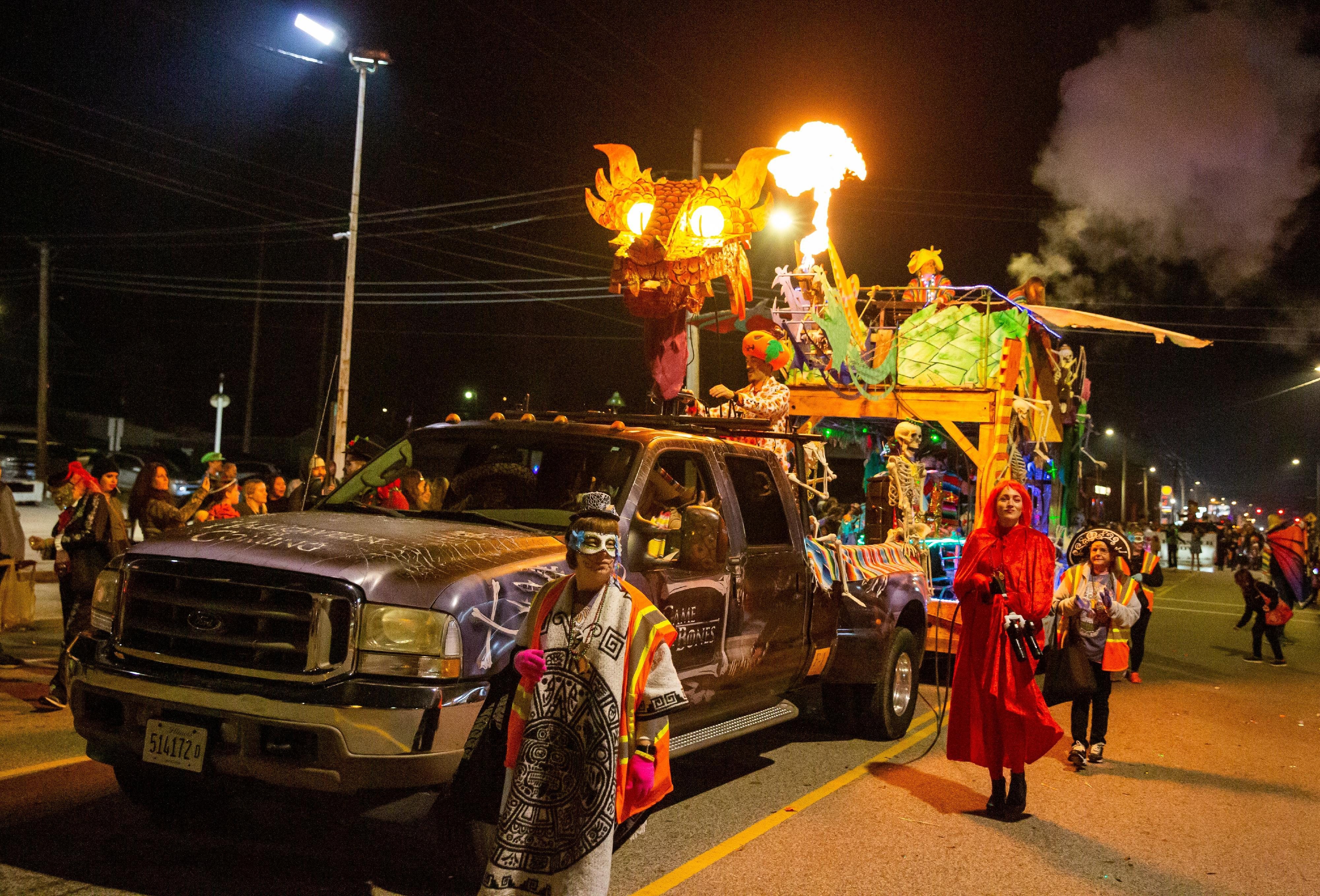
For example, the iconic Krewe parades, which are central to the New Orleans Mardi Gras experience, were first organized in the mid-19th century by groups known as "Krewes." These societies are responsible for the extravagant floats and themed parties that characterize the festival. The Krewe of Rex, established in 1872, is particularly noteworthy for introducing the official Mardi Gras colors of purple, green, and gold, symbolizing justice, faith, and power, respectively.
African influences are also apparent in the music and dance that accompany Mardi Gras celebrations. The vibrant sounds of jazz, zydeco, and brass bands pulse through the streets, inviting revelers to join in the festivities. Additionally, the practice of masking—wearing elaborate costumes and masks—has roots in African rituals, where masks were used to connect with spiritual forces.
The Rituals and Symbols of Mardi Gras
Symbols and rituals play a crucial role in the Mardi Gras experience, each carrying its own significance. The throwing of beads, a hallmark of New Orleans parades, originated from the ancient tradition of tossing coins for good luck. Today, colorful beads and trinkets are thrown from floats to eager crowds, creating an atmosphere of excitement and camaraderie.
Another significant symbol is the king cake, a festive pastry enjoyed during the Mardi Gras season. Traditionally, a small figurine (often a baby) is hidden within the cake, and the person who finds it must host the next king cake party or provide the next cake. This ritual not only fosters community but also reflects the spirit of generosity that permeates the celebration.
Practical Tips for Experiencing Mardi Gras
If you're looking to immerse yourself in the vibrant world of Mardi Gras, here are some practical tips to enhance your experience:
Plan Ahead: Mardi Gras festivities can attract large crowds, especially in popular locations like New Orleans. Research the dates and events in advance to secure accommodations and ensure a smooth experience.
Participate in a Krewe: Many Krewes welcome new members, offering a chance to engage in the behind-the-scenes activities of parade planning and float decoration. Joining a Krewe can deepen your understanding and enjoyment of the festival.
Dress the Part: Embrace the spirit of Mardi Gras by wearing colorful costumes or masks. Whether you opt for elaborate attire or simple accessories, dressing up adds to the festive atmosphere.
Savor the Cuisine: Mardi Gras is a culinary feast. Don’t miss out on classic dishes such as gumbo, jambalaya, and of course, king cake. Local eateries often feature special menus during the season.
Article continues after sponsor messageLearn the Traditions: Familiarize yourself with the customs and symbols of Mardi Gras before attending. Understanding the significance of the parades, music, and food can enrich your experience.
Reveling in the Spirit of Mardi Gras
Mardi Gras is a celebration that transcends geographical boundaries, uniting people in a spirit of joy, camaraderie, and cultural appreciation. Its roots, steeped in history and tradition, remind us that festivals often serve as reflections of our shared humanity. As you explore the vibrant festivities, take a moment to appreciate the diverse influences that shape this beloved celebration.
Whether you find yourself in the heart of New Orleans or participating in local festivities, the essence of Mardi Gras lies not just in the extravagance but in the connections forged and the cultures celebrated. Embrace the colors, the music, and the spirit of indulgence, and let Mardi Gras remind you of the joy that comes from coming together in celebration.
More like this:




- Most Popular



- Top Stories


- Most Recent