

Watchful Waiting Not Recommended For Childhood Obesity
Revisiting guidelines that detail surgery, medication as supplements to traditional methods.
 While some of the options like surgery and medication may raise parents’ eyebrows, experts are making a few things clear. Obesity can lead to serious health issues like heart disease, asthma and diabetes. But it is treatable, and each family should talk to a health care provider about what course is best. The AAP says waiting and hoping things get better is not a good choice.
The guidelines fall back on the proven methods of diet and exercise. But other suggestions include:
- In-person, family-based behavioral health treatment over a three-to-12 month period
- For children 12 and up, physicians should consider prescribing weight loss medication.
- For children 13 and up with severe obesity, providers should consider recommending weight loss surgery.
Get The Latest News!
Don't miss our top stories and need-to-know news everyday in your inbox.
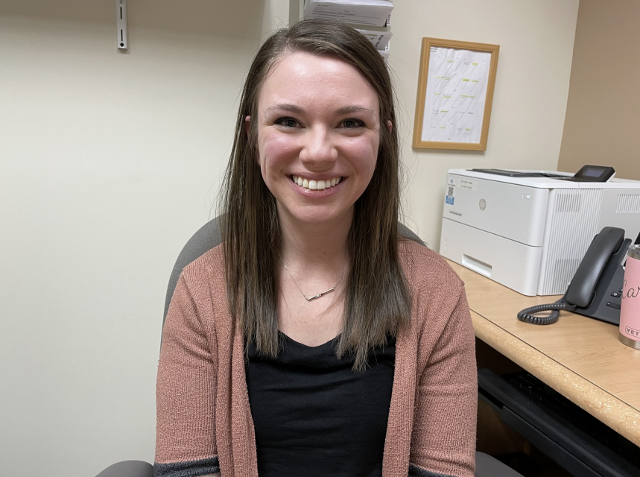
Carly Zimmer is a registered dietician-nutritionist at OSF HealthCare in Pontiac, Illinois. She says it’s not easy for kids to eat right and exercise. Less healthy foods are more easily accessible, portions have gone up and screen time takes away from play time.
Zimmer is on board with mental health treatment for someone struggling with unhealthy eating.
“Often our eating habits stem from events in our past, trauma or emotions,” Zimmer says. “A mental health professional can dive into those topics and help establish a healthy relationship with food.
“Food isn’t the enemy,” Zimmer adds.
Zimmer says weight loss medication and surgery may seem a little extreme. But they can be effective when done properly and under the guidance of a physician.
On weight loss medication, Zimmer says it can’t be a band aid to fix the problem.
“We’re taking this medicine and maybe we stop taking it. Or over time it becomes less effective. If we haven’t changed our habits, that weight is probably going to come back on,” Zimmer says.
Zimmer says a common weight loss procedure is gastric sleeve surgery. This makes your stomach smaller, sending a signal to the brain that you’re full sooner. It also changes how food is digested. The goal is to decrease how much you eat.
But she considers that an extreme option and one families should have a thorough discussion about. The child must stick to guidelines after the surgery to avoid complications such as dumping syndrome, where foods high in sugar move from your stomach to your small bowel too quickly. This can cause vomiting, cramps, diarrhea, dizziness and rapid heart rate.
In other words, it’s a lot of responsibility for someone as young as 13.
“Generally, it is a calorie-restricted diet,” Zimmer says of eating habits after surgery. “You don’t want to eat a lot of high-fat foods. Avoid fried food, high-fat dairy products and concentrated sugars. Staying hydrated is very important.”
Perhaps the biggest message in the AAP guidelines is that action is needed now to treat overweight children. So-called “watchful waiting,” where you see if obesity will go away with age, simply won’t cut it.
“You develop healthy eating habits at a young age. As you get older, those habits tend to follow you. So childhood obesity tends to equate to adult obesity,” Zimmer says.
Some tips to develop healthy habits:
- Focus on adding a healthy food rather than taking away an unhealthy choice. If your child has cereal for breakfast, add a fruit. For the turkey sandwich lunch, add a side of carrots. One exception to the rule is sugary drinks like soda, energy drinks and milkshakes. Zimmer says to avoid those empty calories. Water is a better choice.
- Recognize that parents dictate what and when kids eat. But the youngsters should be responsible for if they eat and how much. Nudging your children to join the “clean plate club” (finishing their whole meal) isn’t the way to go anymore.
“Let kids be intuitive with their own bodies and what they need at that time,” Zimmer says. “Sometimes kids may eat three plates of food. Sometimes they may eat a very small portion.”
- Don’t give up. Zimmer says it can take up to 20 exposures to a food for a child to eat it.
- Don’t make exercise a chore. Find something your child enjoys, like gymnastics or basketball.
“It’s such a blessing to be able to move your body in a way you enjoy,” Zimmer says.
More like this:


- Most Popular



- Top Stories

- Most Recent