What the Fall Equinox Really Means — and Why Day and Night Aren’t Exactly Equal
The seasonal milestone happens when the Sun appears above the equator, but atmospheric effects mean most places get slightly more daylight than darkness that day.

The fall equinox is not the day when day and night are perfectly equal everywhere on Earth. That common idea is close, but not quite right—and the small difference says a lot about how our planet moves and how people have tried to make sense of it.
What the fall equinox actually is
Get The Latest News!
Don't miss our top stories and need-to-know news everyday in your inbox.
The fall equinox marks the point when the Sun appears directly above Earth’s equator as it moves southward in the sky. In the Northern Hemisphere, this usually happens around September 22 or 23. In the Southern Hemisphere, the same event marks the start of spring.
The word equinox comes from Latin and means “equal night.” That sounds simple enough, but the reality is a little more complicated. Because of the way sunlight bends in Earth’s atmosphere and because sunrise and sunset are measured from the top edge of the Sun, most places get slightly more daylight than darkness on the equinox itself.
Still, the basic idea holds: the equinox is one of the two points each year when Earth is tilted neither toward nor away from the Sun in a way that favors one hemisphere over the other. The other is the spring equinox.
Why it happens
The fall equinox happens because Earth is tilted at about 23.5 degrees on its axis as it orbits the Sun. That tilt is the reason daylight changes over the year.
When the Northern Hemisphere leans toward the Sun, it gets longer days and a higher Sun in the sky. When it leans away, days grow shorter and the Sun stays lower. The equinox falls in the middle, when the tilt is side-on to the Sun from our point of view.
A simple way to picture it is to imagine a lamp shining on a spinning globe. As the globe circles the lamp, different parts lean toward the light or away from it. Twice during that trip, neither half has the advantage. Those are the equinoxes.
This is also why the fall equinox is not caused by changes in Earth’s distance from the Sun. Many people assume the seasons come from being closer to or farther from the Sun, but that is not true. Earth is actually a little closer to the Sun in January than in July.
Why the date changes slightly
The equinox does not land on the exact same date every year because the calendar and Earth’s orbit do not match perfectly.
A full orbit around the Sun takes about 365.24 days. Our calendar year is 365 days, with a leap day added every few years to help keep things lined up. Even with that correction, the exact time of the equinox shifts a bit from year to year depending on leap years and time zones.
That is why one person may see the equinox listed on September 22 while someone else sees September 23.
More than a date on the calendar
For many people, the fall equinox is less about astronomy and more about a feeling of balance and change. It often acts as a marker. Schedules tighten. Light fades earlier. Daily habits shift.
You can notice the equinox in ordinary life without looking at a star chart. The Sun rises farther south than it did months earlier. Shadows stretch differently in the late afternoon. If you leave work at the same hour every day, you may suddenly realize the light looks lower and softer than it did just weeks before.
Gardeners often treat the equinox as a practical signal. It can mean the growing season is winding down, that certain crops are ready, or that it is time to plant cool-weather vegetables. Homeowners may start adjusting outdoor lighting timers because dusk comes earlier. Commuters may find themselves driving into sunrise or sunset at new angles.
These are small examples, but they show how a celestial event can quietly shape daily routines.
Cultural meanings and old traditions
The fall equinox has long been tied to harvest, gratitude, and preparation. That connection makes sense. In many farming societies, this was the period when food had to be gathered, stored, and counted on for the months ahead.
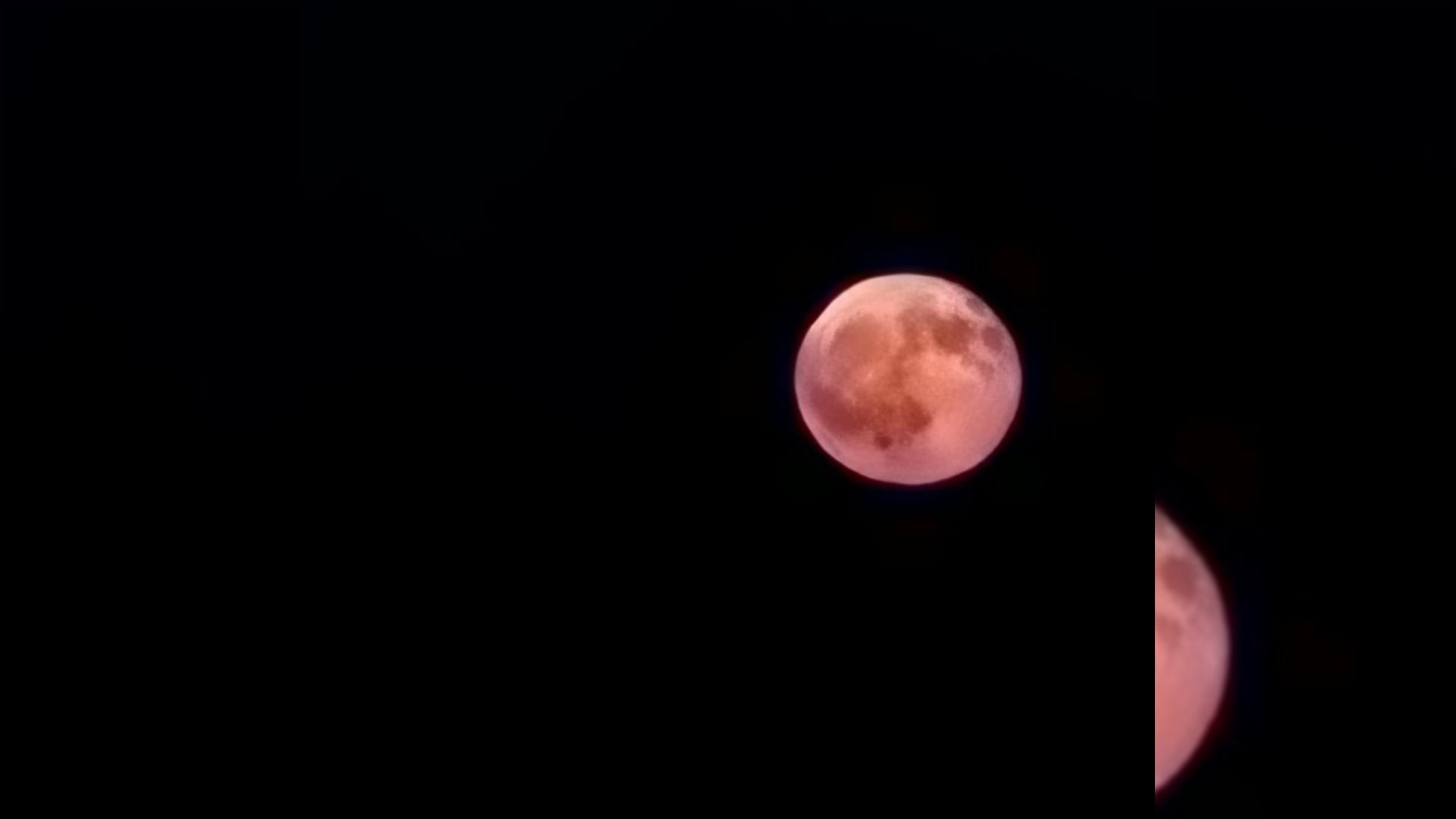
One of the best-known celebrations linked to the equinox is the Mid-Autumn Festival, observed in parts of East and Southeast Asia. The festival honors family reunion, the moon, and harvest. Mooncakes, lanterns, and shared meals are common parts of the celebration.
In Japan, the autumn equinox is a public holiday. Many people visit family graves and reflect on balance between life, memory, and nature. The holiday blends astronomical timing with customs of respect and remembrance.
In parts of Europe, harvest festivals and thanksgiving-style gatherings grew around this point in the agricultural year. Churches were decorated with grain, fruit, and vegetables. Villages held fairs and feasts. The message was simple and practical: give thanks, share what there is, and prepare for leaner months.
Modern pagan and nature-based traditions often call the fall equinox Mabon, though that name is relatively recent in this use. For many who observe it, the day symbolizes balance, gratitude, and letting go.
Even people who do not follow any tradition may still respond to the same themes. The equinox can feel like a natural checkpoint: What has grown? What needs to be finished? What should be carried forward?
Common sayings and misunderstandings
The fall equinox has gathered a few ideas that are repeated so often they sound like fact.
One famous claim is that you can balance an egg upright only on the equinox. It is a fun story, but it is not true. You can balance an egg on many days if you are patient and the surface is stable. The equinox does not create a special force that makes it happen.
Another common misunderstanding is that the equinox means exactly 12 hours of daylight and 12 hours of darkness everywhere. As noted earlier, that is only roughly true. The exact amount depends on location and on how daylight is measured.
There is also a habit of treating the equinox as a sharp dividing line, as if everything changes in a single moment. In real life, the shift is gradual. The equinox is best seen as a marker in a longer transition, not a switch being flipped.
How to recognize the equinox in your own life
You do not need a telescope or a science background to notice the fall equinox.
A few simple things can make it real:
Watch where the Sun rises and sets
Pick a spot near your home and notice where the Sun comes up or goes down over several days. Around the equinox, sunrise is close to due east and sunset is close to due west.
Pay attention to your shadow
At the same time of day, your shadow changes length over the year. Around the fall equinox, many people notice that afternoon shadows seem longer than they did earlier.
Look at your routine
Do you turn on lights earlier? Are children coming home from school with less daylight left? Are evening walks happening at a different hour? These are everyday signs of the changing angle of the Sun.
Check a garden, market, or park
The equinox often lines up with practical changes in food and plants. Farmers’ markets may fill with apples, squash, and late-season produce. Trees may not change color everywhere at the same pace, but many landscapes begin to show the shift.
Notice how communities mark it
You might see a harvest fair, a school science lesson, a moon festival event, or simply more conversation about daylight getting shorter. The equinox often appears in public life in small but visible ways.
Why it still matters
It is easy to think of the fall equinox as just a technical moment in astronomy. But it matters because it connects science, culture, and ordinary experience.
Scientifically, it shows how Earth’s tilt shapes life on the planet. Culturally, it has inspired festivals, stories, and rituals centered on balance and gratitude. Personally, it offers a chance to notice patterns that are easy to miss when life runs on clocks and screens.
The fall equinox reminds us that some of the biggest forces in our lives are also the quietest. A slight tilt of a planet changes the angle of light, the length of days, the timing of meals, the work in fields and gardens, and even the symbols people use to talk about change. What seems like a point on a calendar is really a meeting place between the sky above and the life we build under it.
More like this:


- Most Popular


- Top Stories


- Most Recent