


Why Families Keep Celebrating, Even When Gathering Is Hard
This article explores how rituals, shared stories and gatherings help families create belonging, navigate change and maintain support across generations.

The first time you watch a family move a couch up a narrow staircase, you see something strange: people who argue about everything suddenly become a single, coordinated team. Someone steadies the bottom. Someone shouts directions. Someone takes the hit when the couch scrapes the wall. They may not even like each other in that moment, but they keep going—because it’s family.
Get The Latest News!
Don't miss our top stories and need-to-know news everyday in your inbox.
Humans celebrate family for the same reason we keep showing up for it. Family is one of the strongest ways people create safety, identity, and meaning. Celebrations are not just “nice traditions.” They are social tools. They help us mark who belongs, who matters, and what we promise to one another.
Family celebrations are a kind of social glue
A family celebration is often less about the event and more about the message: You are part of us.
Psychologists and everyday experience agree on a simple point: humans do better when they feel connected. Family gatherings—birthdays, reunions, weddings, holidays, even a weekly dinner—turn that connection into something visible. They create a shared memory that can be returned to later.
That’s why people still try to gather even when it’s inconvenient. You might hear sayings like “Blood is thicker than water” or “You can’t choose your family.” Those lines are sometimes used to excuse bad behavior, but they point to a real idea: family ties are treated as durable. Celebrations reinforce that durability.
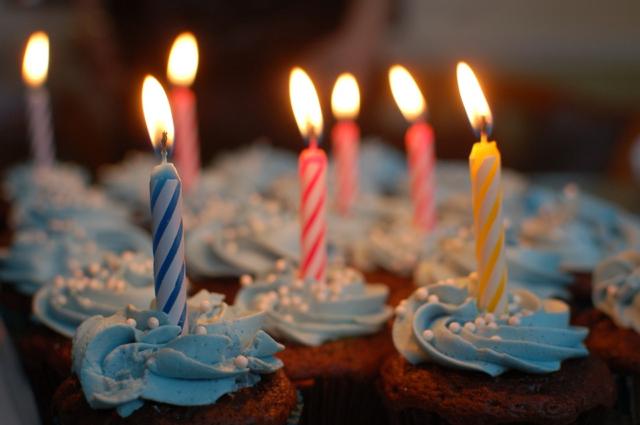
Even small rituals work. A cake with candles. A group photo. A toast. These acts say, “We’re still here, together.”
Celebrations help us handle life’s big changes
Families celebrate at turning points because change can feel risky. Rituals make it feel manageable.
Think about the events people most often mark:
- Births and naming ceremonies
- Coming-of-age moments
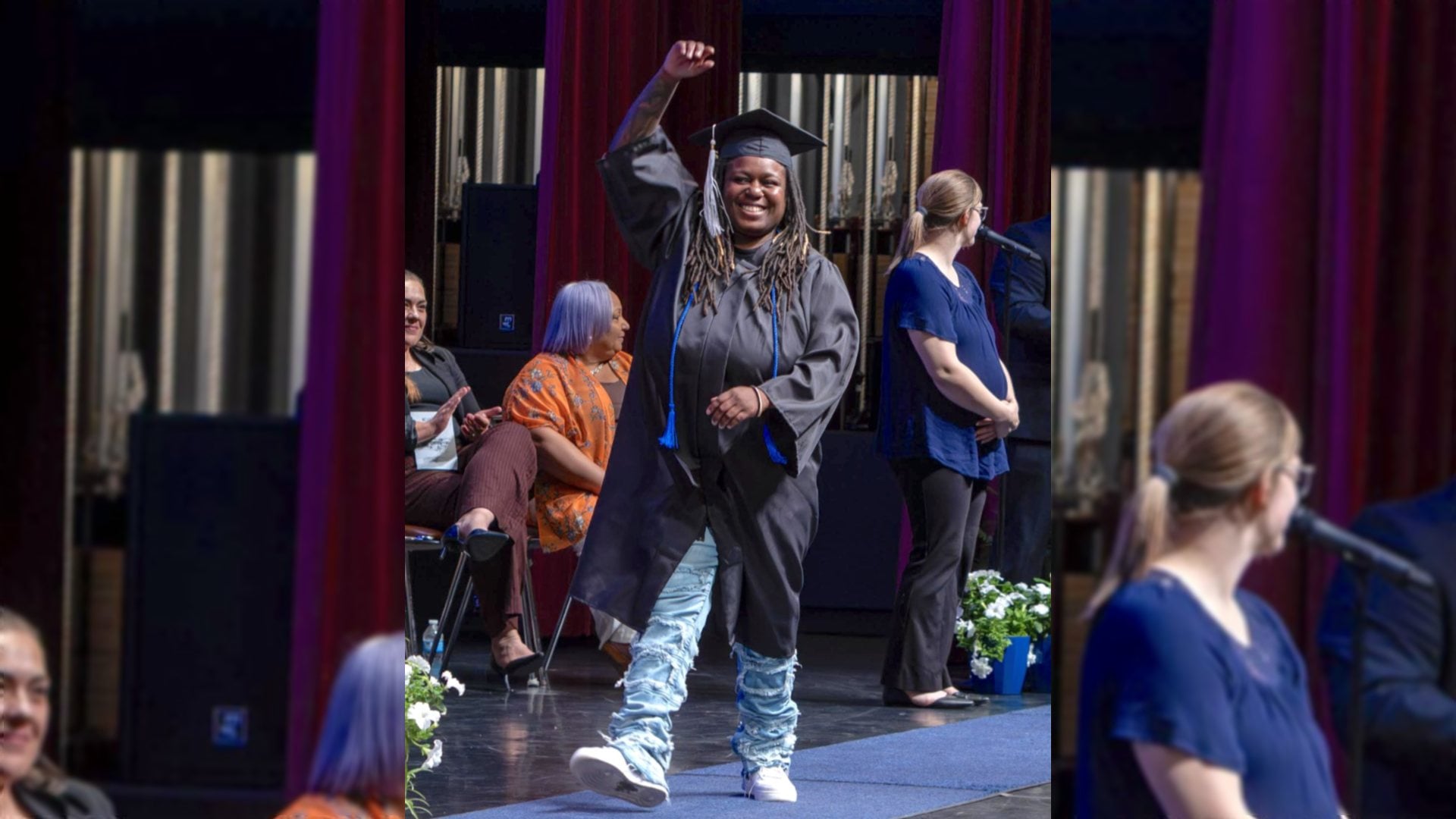
- Graduations
- Weddings and anniversaries
- New homes
- Retirements
- Funerals and memorials
These moments shift someone’s role. A child becomes a student. A couple becomes a household. A parent becomes a grandparent. A loved one becomes a memory.
Celebrations give the group a script for how to respond. They offer words when people don’t know what to say. They also give structure when emotions run high. At a wedding, for example, there’s a clear sequence: vows, meal, speeches, dancing. That structure helps everyone move through a complex day without falling apart.
Even grief has its rituals. A memorial might include stories, food, prayers, or music. It’s still a form of family celebration—not of loss itself, but of the person who mattered.
The roots are practical: survival and cooperation
Family celebrations feel emotional, but their origins are often practical.
For most of human life, people lived in small groups. Survival depended on cooperation. Sharing food, caring for children, defending against danger, passing along skills—these were not optional. Family networks helped make that cooperation reliable.
Celebrations likely grew out of moments when resources were available and it made sense to gather: a successful hunt, a harvest, a safe birth. Feasting and storytelling weren’t just entertainment. They helped build trust and loyalty. If you ate together and honored each other, you were more likely to help each other later.
That old logic still shows up now, even in modern settings. When families celebrate, they often share food first. There’s a reason phrases like “breaking bread” mean more than eating. Sharing a meal signals peace, belonging, and mutual care.
Culture shapes what “family” means—and how it’s honored
Not every culture defines family the same way, and celebrations reflect that.
In many places, family includes more than parents and children. Grandparents, aunts, uncles, cousins, and close family friends may play central roles. In others, the focus is on the household unit. Some families are built through marriage, adoption, fostering, or chosen relationships rather than biology.
That variety shows up in traditions:
- Lunar New Year gatherings often center on honoring elders, sharing symbolic foods, and wishing prosperity.
- Diwali can bring extended families together through light, sweets, and visits that strengthen bonds.
- Eid commonly includes communal prayer, meals, and giving, with family hospitality as a core feature.
- Quinceañeras and similar coming-of-age celebrations highlight a young person’s growing responsibilities and the family’s support.
- Thanksgiving-style meals in some countries focus on gratitude and togetherness, even when the “official” history is complicated.
A common misunderstanding is that family celebration is always about happiness. In many cultures it’s also about duty, respect, and continuity. You show up because it’s how you honor the people who raised you, and how you teach the next generation what matters.
Family celebrations build identity through stories and symbols
Families aren’t only groups of people. They are also collections of stories.
At gatherings, stories get repeated: the time someone got lost on a trip, the famous cooking disaster, the relative who always danced too hard. These stories can be silly, but they do serious work. They tell you what kind of people “we” are.
Even family jokes matter. They create an inside language. That’s why some phrases hit differently when they come from a relative. It’s also why certain objects become meaningful: a recipe card, a watch, a quilt, a holiday ornament. These items act like memory anchors.
This is also where family celebrations can get complicated. Not every story is kind. Some families repeat embarrassing moments or use humor to control people. Healthy celebration builds identity without shrinking anyone.
A practical test is simple: after the gathering, do people feel more connected—or more managed?
Modern life makes deliberate celebration more important
Many people live far from relatives. Work schedules are messy. Some families are spread across countries and time zones. Others are blended or separated by divorce. Some people are rebuilding family after conflict. All of this makes connection less automatic.
That’s one reason celebrations have become more planned. Group chats replace hallway conversations. Video calls stand in for the living room. People schedule reunions months in advance because it’s the only way to make it happen.
You can see this in everyday choices:
- A weekly dinner becomes a “non-negotiable” calendar event.
- A birthday becomes a reason to fly home, even briefly.
- A family reunion becomes a structured weekend with activities, not just a casual drop-in.
- A memorial becomes a carefully crafted event because relatives may never be in the same place again.
Celebration is how families fight drift. It’s a way of saying, “Distance and busy lives don’t get to erase us.”
The hidden benefits: support, health, and resilience
Family celebrations can look like simple fun, but they often create real support systems.
When families gather, people exchange information: who needs help, who is struggling, who got a new job, who is sick. Offers are made. Advice is shared. Sometimes help arrives quietly—money slipped into a card, childcare offered, a ride arranged.
These moments also teach coping. Children learn how adults handle stress, disagreement, and repair. They learn whether conflict ends in shouting, silence, or problem-solving. A celebration isn’t only a party. It’s a live demonstration of how relationships work.
Even when gatherings are imperfect, they can build resilience. Showing up after a hard year, sitting at the same table, hearing familiar voices—these can remind people they’re not facing life alone.
Ways to recognize what family celebration is doing in your own life
You don’t need a big event to see the pattern. Look for these signs:
- Rituals repeat. The same meal, the same song, the same photo pose. Repetition signals belonging.
- Roles appear. The planner, the cook, the storyteller, the peacemaker. Roles can be comforting, but they can also become traps.
- Values get taught. Respect for elders, generosity, faith, humor, education, hospitality. Celebrations are value lessons in disguise.
- Repair happens—or doesn’t. Some gatherings heal old tension. Others reopen it. Noticing this helps you set better boundaries.
- Someone is remembered. A toast to a grandparent, a recipe kept alive, a name passed on. Celebration often carries memory forward.
If you want to strengthen family celebration in a practical way, start small: a consistent meal, a yearly shared activity, a tradition that fits your real life. The goal isn’t perfection. It’s reliability.
When celebration is hard
It’s also true that family celebrations can bring stress. Old conflicts show up. People feel judged. Some relatives are absent. Some homes are unsafe. In those cases, “family” may need to be defined carefully.
Many people create “chosen family”—friends, mentors, neighbors, community members—who provide the same support and belonging. Celebrating with them is not second-best. It’s a real human solution to a real human need.
Celebration works best when it protects dignity. It should make people feel seen, not trapped.
Family is one of the few places where people can be known over a lifetime—watched growing up, remembered across decades, and welcomed back after mistakes. That long view is rare, and humans crave it. We celebrate family because it turns connection into something we can touch: a meal, a story, a song, a gathering that says, in plain terms, “You matter here.”
More like this:



- Most Popular


- Top Stories
- Most Recent


- Sign In
- Home
- Video
- News
-
Weather
 Sponsored by Michael Ryan Exteriors - Roofing Professionals
 - Sports
- Obits
- Events
- Radio
- AP News
- Shop Local
- Classifieds
- Autos
- Real Estate
- Directory
Get the RiverBender App


Follow Us
Copyright © 2026 RiverBender.com All rights reserved.
primary