
Why Humans Celebrate Milestones
Humans celebrate milestones because they help us make sense of time, effort, and change.
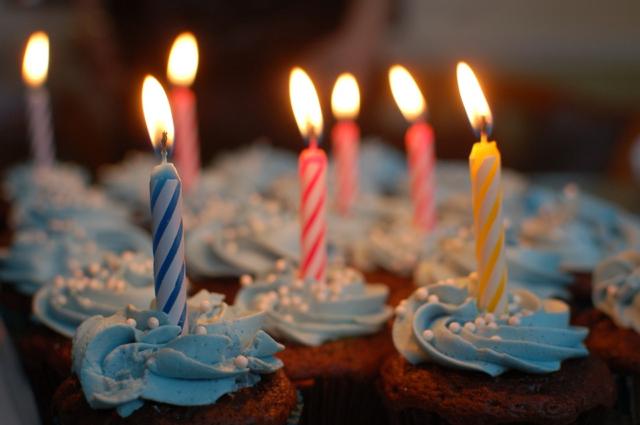
A plain sheet cake can make an ordinary Tuesday feel like a turning point. Add a few candles, write a name in frosting, and suddenly people show up, take photos, and speak as if something important just happened. The funny part is that the “something” is often just a number changing—another year, another month, another day.
Get The Latest News!
Don't miss our top stories and need-to-know news everyday in your inbox.
Humans celebrate milestones because they help us make sense of time, effort, and change. They turn blurry stretches of life into clear chapters. They also give us a reason to pause, connect, and say, “This mattered.”
Milestones turn time into a story we can understand
Life doesn’t come with neat page breaks. Most changes happen slowly. You don’t wake up one morning and instantly feel like an adult, a professional, or a parent who knows what they’re doing. Milestones create a clean marker in the middle of all that gradual change.
That’s why so many milestones are tied to numbers and dates. Birthdays, anniversaries, “first day” and “last day” events, graduations, and retirement parties all do the same job: they draw a line between “before” and “after.”
Even small milestones work this way. A child’s first lost tooth, a first paycheck, a first solo trip, or the first time you run a 5K without stopping. None of these moments magically changes everything. But they give the brain a simple signal: a new stage has begun.
People often say, “Time flies.” Milestones are one way we grab time by the collar and make it feel real.
They reward effort and keep motivation alive
Milestones aren’t only about time. They’re also about progress.
When a goal is big—paying off debt, finishing school, recovering from an injury, learning a language—it can feel endless. Celebrating a milestone breaks that long road into smaller steps. It tells you, “You’re not stuck. You’re moving.”
That’s why fitness apps hand out badges. It’s why video games have levels and achievements. It’s why workplaces give out “years of service” awards. These are modern versions of an old human need: recognition.
There’s also a simple truth here. Effort feels lighter when someone notices it. A “good job,” a handshake, or a small celebration can push people through the next hard stretch.
A common misunderstanding is that celebrating milestones is “settling” or getting complacent. In reality, it often does the opposite. It can recharge motivation, especially when the next step still looks far away.
Milestones reduce uncertainty and anxiety
Change can be exciting, but it can also be scary. Many milestones show up at moments when life feels unstable: becoming an adult, getting married, moving away, having a baby, starting a new job, losing someone, retiring.
Rituals around milestones give people a script. They tell you what to wear, what to say, what to do, and who should be there. That structure can be calming. It’s like social scaffolding around a big emotional moment.
Think of how many events come with set phrases:
- “Happy birthday.”
- “Congratulations.”
- “Welcome to the world.”
- “I now pronounce you…”
- “Rest in peace.”
Even if the words are simple, they give shape to feelings that are hard to express. They also signal to the person experiencing the change: “You’re not alone. We recognize what’s happening.”
They strengthen bonds and social belonging
Milestones are rarely celebrated in private, even when the achievement is personal. That’s not an accident. Celebrations pull people together.
Sharing a milestone does two things at once:
- It lets the community witness someone’s growth.
- It reminds the community that it is still a community.
This is why families gather for graduations, why friends throw surprise parties, and why coworkers sign cards for a retirement. The event becomes a social glue moment.
Many cultures have milestone rituals that clearly focus on belonging. A quinceañera, a bar or bat mitzvah, and coming-of-age ceremonies in different communities all say some version of: “You have a place here, and your role is changing.”
Even the idiom “It takes a village” fits. Milestones are often the times when the “village” shows itself.
The historical roots: rites of passage and sacred time
You don’t need a history book to see the pattern. Humans have long marked key transitions with rituals.
In many societies, rites of passage served practical purposes. They taught responsibilities, clarified social roles, and made sure the group recognized the change. When life depended on cooperation, it mattered that everyone understood who was now an adult, who was ready to marry, or who carried authority.
Religious calendars also turned time into meaningful blocks. Holidays, fasting periods, and feast days created shared rhythms. Even for people who aren’t religious, the idea remains: some days are “set apart.”
That’s why milestone celebrations often feel different from normal hangouts. They’re not just parties. They’re symbolic. They say, “This moment is not like the others.”
Culture shapes what counts as a milestone
Not every culture highlights the same moments, and not every family treats them the same way. Some communities go big on weddings but keep birthdays quiet. Some treat educational milestones as central. Others emphasize community service, spiritual steps, or family responsibilities.
Even within one country, milestone expectations can vary:
- In some families, turning 16 or 18 is a major event. In others, 21 is the “real” adult birthday.
- Some couples celebrate dating anniversaries; others only count wedding anniversaries.
- Some workplaces celebrate promotions publicly; others keep it low-key.
There are also “unofficial” milestones that have become modern traditions: getting a driver’s license, moving out, buying a first home, adopting a pet, finishing a marathon, hitting one year sober, or deleting a toxic app and sticking with it.
The details differ, but the purpose stays similar: marking a change that matters to the person and the group.
Why we love round numbers, countdowns, and “fresh starts”
People treat certain numbers as more meaningful than others. Ten, twenty, fifty, and a hundred feel “bigger” than nine, nineteen, forty-nine, and ninety-nine. That’s why we celebrate “golden anniversaries” and “big birthdays.”
Psychologists sometimes call this the “fresh start” effect. A new year, a new month, or a new decade feels like a clean page. Even if nothing else changes, the label makes it easier to reset habits and make decisions.
This shows up in everyday life:
- Starting a diet on Monday.
- Making goals on January 1.
- Training plans that begin on the first of the month.
- People saying, “When I turn 30, I’m going to…”
The calendar becomes a tool for self-control and hope. Milestones give the brain permission to begin again.
Practical ways to notice milestones in your own life
Milestones don’t have to be expensive or public to be real. A lot of the most meaningful ones are quiet.
Here are a few ways to recognize them without forcing it:
- Pay attention to “firsts.” First time you handled a problem calmly. First time you spoke up. First time you cooked a meal that actually worked.
- Track “lasts” too. The last day at a job, the last time you lived in a certain place, the last time a routine defined your life. These deserve respect.
- Celebrate progress, not just outcomes. If your goal is long-term, mark checkpoints: 30 days of practice, a draft finished, a month of consistent sleep.
- Choose a ritual that fits you. A dinner with one friend. A walk in a favorite place. Writing a note to your future self. Printing one photo instead of posting twenty.
- Invite the right witnesses. Sometimes you want a crowd. Sometimes you want one person who truly understands the effort behind the moment.
You can also ask a simple question: What change do I want to remember five years from now? That’s a good clue that you’re looking at a milestone.
When milestone pressure goes too far
Milestones can be helpful, but they can also create stress. Social media can make it seem like everyone is hitting life goals on schedule. Some people feel behind if they aren’t married by a certain age, don’t have a certain job title, or haven’t reached a flashy achievement.
It helps to remember that milestones are tools, not rules. They’re meant to serve your life, not judge it. Two people can reach the same “official” milestone and feel very different inside. And many meaningful changes—healing, learning, becoming kinder, building stability—don’t come with a clear date.
If a milestone feels more like a deadline than a celebration, it may be time to redefine it.
Milestones matter because humans need markers in the blur. They give shape to time, reward effort, calm nerves during change, and pull people closer together. A candle on a cake, a cap tossed in the air, a simple toast at dinner—these are small acts with a big purpose. They tell us that life is not just passing. It’s unfolding, and we’re allowed to notice.
More like this:


- Most Popular


- Top Stories
- Most Recent