Why Swimming in Natural Waters Could Be Your Next Best Health Decision
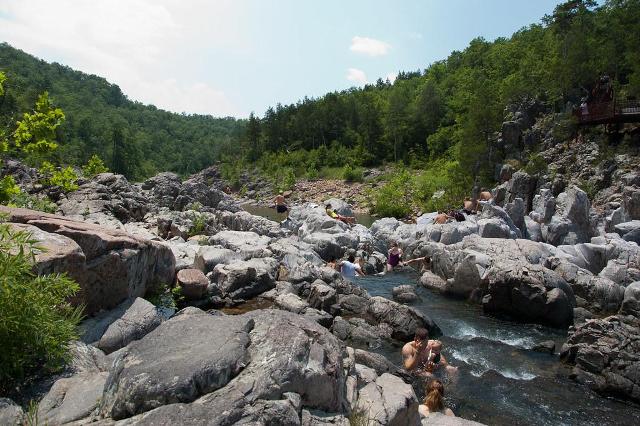
Did you know that immersing yourself in lakes, rivers, or oceans can offer more than just a refreshing escape? Beyond the obvious joy of swimming, natural bodies of water provide unique health benefits that modern pools simply can’t replicate. As more people seek holistic wellness practices, the practice of swimming outdoors in natural environments is gaining attention not only for fitness but also for its therapeutic effects on the mind and body.
The Physical Advantages of Natural Water Swimming
Get The Latest News!
Don't miss our top stories and need-to-know news everyday in your inbox.
Swimming is widely recognized as a comprehensive workout, engaging multiple muscle groups while being low-impact on joints. However, swimming in natural waters introduces additional physical benefits:
Enhanced Cardiovascular Fitness: The varying temperatures and currents of natural water bodies require the body to adapt constantly, promoting better cardiovascular conditioning. Research has shown that swimming in colder water can improve circulation by stimulating blood flow to vital organs.
Improved Muscle Tone and Strength: Unlike controlled pool environments, natural waters often have uneven surfaces and currents that challenge balance and stability. This dynamic resistance helps strengthen muscles more effectively.
Respiratory Benefits: Open-air swimming often means cleaner, fresher air compared to indoor pools, reducing exposure to chlorine and other pool chemicals that can irritate the respiratory system. This can be particularly beneficial for individuals with asthma or sensitivities.
Mental Health and Emotional Well-being
The calming effect of water has been documented across cultures and centuries. Swimming in natural settings enhances these benefits through:
Stress Reduction: The sound of flowing water, natural light, and open spaces combine to lower cortisol levels, reducing stress and anxiety. Studies suggest that “blue spaces” — natural water environments — promote mental well-being more effectively than urban or artificial settings.
Mood Enhancement: Exposure to sunlight during outdoor swimming boosts vitamin D levels, linked to improved mood and lowered risk of depression. Additionally, the physical activity itself releases endorphins, further elevating mood.
Mindfulness and Connection: Swimming in nature encourages mindfulness, as swimmers often become more attuned to their bodies and surroundings. This can foster a sense of connection to the environment, which has been associated with greater life satisfaction.
Unique Health Factors of Natural Waters
Several attributes specific to natural bodies of water contribute to health benefits beyond exercise:
Mineral Content: Seawater and mineral-rich lakes contain elements such as magnesium, potassium, and iodine. These minerals can be absorbed through the skin, aiding in skin health, reducing inflammation, and supporting metabolic functions.
- Article continues after sponsor message
Microbial Diversity: While some natural waters require caution due to contaminants, many support a diverse microbiome that may positively influence human skin and immune systems. Exposure to a variety of microbes can strengthen immune defenses, a concept known as the “old friends” hypothesis.
Temperature Variability: Cold water swimming, a form of natural water immersion, has gained popularity for its purported health effects, including improved immune function, reduced inflammation, and enhanced metabolism. Controlled cold exposure must be approached carefully but can yield significant benefits.
Safety Considerations and Environmental Awareness
While the benefits are compelling, swimming in natural waters requires mindfulness about safety and environmental responsibility:
Water Quality: Always check local advisories regarding water cleanliness and avoid swimming after heavy rains or in areas with known pollution.
Awareness of Hazards: Currents, tides, underwater obstacles, and wildlife can pose risks. Beginners should swim where lifeguards are present or with a companion.
Environmental Impact: Swimmers should respect natural habitats—avoid using harmful sunscreens that damage aquatic ecosystems and minimize disturbance to wildlife.
Practical Tips for Maximizing Benefits
If you’re considering incorporating natural water swimming into your routine, here are some actionable takeaways:
Start Gradually: Acclimate your body to temperature changes by starting with shorter swims and progressively increasing duration.
Choose Clean Locations: Research local swimming spots with good water quality and safety records.
Use Appropriate Gear: Wetsuits can help in colder waters, and water shoes protect feet from sharp rocks or debris.
Practice Mindfulness: Use the experience to engage your senses—listen to the water, feel the temperature, observe the surroundings—to enhance mental benefits.
Stay Hydrated and Nourished: Outdoor swimming can be deceptively tiring; maintain hydration and energy levels.
Embracing the Synergy of Nature and Exercise
Swimming in natural bodies of water offers a multifaceted approach to health, combining physical fitness with mental restoration and environmental connection. It challenges the body in unique ways, supports immune and skin health, and fosters a deep sense of well-being that artificial environments often lack. By approaching these natural experiences with care and respect, swimmers can unlock a powerful tool for holistic health that also nurtures a relationship with the natural world. Whether you seek to improve cardiovascular fitness, reduce stress, or simply enjoy the beauty of your surroundings, natural water swimming stands out as an enriching and accessible practice.
More like this:





- Most Popular



- Top Stories



- Most Recent