


Why Traditions Around the World Continue to Honor Mothers
This article explores how mother-honoring traditions developed across cultures and why they still resonate in modern family life.
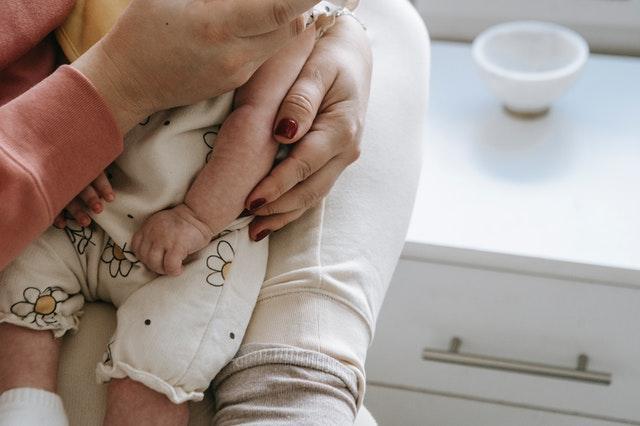
A mother’s work is often most visible when she’s not in the room. The packed lunch appears. The permission slip is signed. The birthday candle is found at the last minute. When a job is done well enough, it can look like it happened on its own. Traditions that honor mothers push back against that illusion. They make care visible.
Why mothers are singled out in tradition
Most traditions are built around what a community cannot afford to lose. Food, safety, belonging, and identity sit near the top of that list. Mothering—whether done by a biological mother, adoptive mother, stepmother, grandmother, aunt, or another caregiver—touches all of those needs.
In many families, mothers have been the “default manager” of daily life. Even when both parents work, research and everyday experience often show that mothers carry more of the planning: scheduling appointments, tracking school deadlines, remembering who likes what, and keeping relationships connected. Traditions don’t always name that mental load, but they respond to it. They say, in public and in private, “We see you.”
Honoring mothers also helps keep a society stable. When children feel cared for, they tend to do better in school, handle stress more effectively, and build healthier relationships. Communities benefit from that. So it makes sense that communities create rituals that reinforce respect for caregiving.
The emotional job that rarely gets measured
People can usually list what a mother does: cooking, driving, working, cleaning, helping with homework. The harder part to describe is what she holds.
Mothers often carry worry so kids don’t have to. They absorb the tension in a room and try to soften it. They notice small changes—quiet moods, new friends, a sudden fear at bedtime—and respond before anyone else sees a problem. This is one reason traditions that honor mothers can feel so powerful. They recognize an emotional job that doesn’t come with a paycheck or a clear “finished” line.
Common sayings hint at this invisible work:
- “A face only a mother could love.” Often used as a joke, it points to unconditional acceptance.
- “Mother knows best.” Sometimes overused, but it reflects trust in a caregiver’s attention and experience.
- “Home is where your mother is.” A reminder that comfort often comes from a person, not a place.
These phrases can be imperfect and even annoying at times. Still, they show how deeply the idea of maternal care is woven into everyday language.
Historical roots: from goddesses to greeting cards
Mother-honoring traditions did not start as a single holiday. They grew from different needs in different places.
In some ancient cultures, festivals honored mother figures through religion. People celebrated goddesses linked to fertility, harvest, and protection. The point was not just motherhood in a personal sense, but the idea of life being sustained—crops growing, families continuing, communities surviving.
Later, in parts of Europe, “Mothering Sunday” developed as a day when people returned to their “mother church.” Over time, it also became a day to visit mothers and bring small gifts. The tradition blended spiritual roots with family life.
Modern Mother’s Day, as many people know it now, spread widely in the 1900s. It became both a personal celebration and a public event shaped by schools, churches, and businesses. That mix is why the day can feel heartfelt for some and overly commercial for others.
A commonly misunderstood idea is that commercialization cancels out meaning. It doesn’t have to. A card or flowers can be shallow if they replace real appreciation. But they can also be symbols—simple objects that say, “I paused my routine and thought about you.”
Cultural traditions: different forms, same message
Mother-honoring customs vary, but they often share a few themes: gratitude, respect, and care for the caregiver.
- Mexico (Día de las Madres): Celebrated on May 10, often with music, family meals, and school performances. Many families make it a big, warm gathering.
- Ethiopia (Antrosht): A multi-day celebration at the end of the rainy season in some regions, where families gather and share a large meal. It emphasizes reunion and community.
- Japan (Haha no Hi): Children often give carnations and express thanks through notes and small gifts. The focus tends to be gentle and personal.
- United Kingdom (Mothering Sunday): Traditionally linked to church and family visits, now often marked with cards, meals, and time together.
Even in cultures without a formal “Mother’s Day,” respect for mothers shows up in rituals: seating mothers first at important meals, asking elders for blessings, or passing down recipes and family stories through maternal lines.
Why these traditions persist in modern life
People sometimes ask why we still need special days to honor mothers. Shouldn’t appreciation happen all year?
Yes—and that’s exactly why traditions exist. Daily life is noisy. Work, school, bills, and screens compete for attention. A tradition creates a forced pause. It’s a scheduled moment when a family or community agrees to notice a role that can otherwise fade into the background.
Traditions also teach children how to express gratitude. Many adults learned the basics of appreciation through simple rituals: making a handmade card, setting the table, helping with chores, or saying “thank you” out loud. Those actions may look small, but they train a habit. Later, that habit can show up in friendships, workplaces, and partnerships.
There’s also a deeper reason: honoring mothers is a way of honoring origins. It connects people to their own story—who raised them, who protected them, who sacrificed for them, and who shaped their values.
When “honoring mothers” gets complicated
Not everyone has a warm relationship with their mother. Some people are grieving. Some were raised by someone else. Some carry pain from neglect or abuse. Others desperately want to be mothers and cannot be. Traditions can bring those feelings to the surface.
A healthier way to view these customs is to widen the lens. Honoring mothers can mean honoring caregiving, not forcing a specific family narrative. It can include:
- A grandmother who stepped in.
- A foster parent who provided stability.
- An older sister who raised siblings.
- A neighbor who made sure a child was safe.
- A father or guardian who took on a mothering role.
The tradition works best when it makes room for real life, not just the ideal version.
Practical ways to recognize mothering in everyday life
Big gestures are optional. What matters most is specificity and follow-through. If you want to honor a mother figure in a way that actually lands, try one of these:
Name the unseen work.
Instead of “Thanks for everything,” say, “Thanks for always remembering my appointments,” or “Thanks for keeping our family connected.”Reduce her load, not just her loneliness.
Take over a task she normally manages—planning meals for a week, handling school emails, scheduling a repair, or organizing a family event.Ask better questions.
“What would make this week easier?” gets closer to real support than “What do you want for a gift?”Create a small tradition that fits your family.
A monthly coffee date, a shared walk, a phone call every Sunday night, or cooking one of her recipes together can matter more than a once-a-year celebration.Include caregivers who aren’t in the spotlight.
Thank the stepmom who tried. Check on the single dad doing double duty. Recognize the aunt who always shows up.
These actions turn the idea of honoring mothers from a performance into a practice.
The deeper point behind the flowers and cards
Traditions honor mothers because care is a foundation, not a bonus. Societies run on the kind of steady attention that keeps people fed, heard, and guided. When a tradition highlights mothers, it is really pointing to something bigger: love expressed as work, repeated over time. The best mother-honoring customs don’t just ask for one day of praise. They invite a lasting shift in what we notice—and in how we show up for the people who have been showing up for us all along.
More like this:




- Most Popular



- Top Stories

- Most Recent


- Sign In
- Home
- Video
- News
-
Weather
 Sponsored by Michael Ryan Exteriors - Roofing Professionals
 - Sports
- Obits
- Events
- Radio
- AP News
- Shop Local
- Classifieds
- Autos
- Real Estate
- Directory
Get the RiverBender App


Follow Us
Copyright © 2026 RiverBender.com All rights reserved.
primary