


Why Wedding Season Became a Tradition Long Before Modern Venues
Long before venues and group chats, wedding timing was shaped by religious calendars, harvest schedules, travel realities, and family budgets.
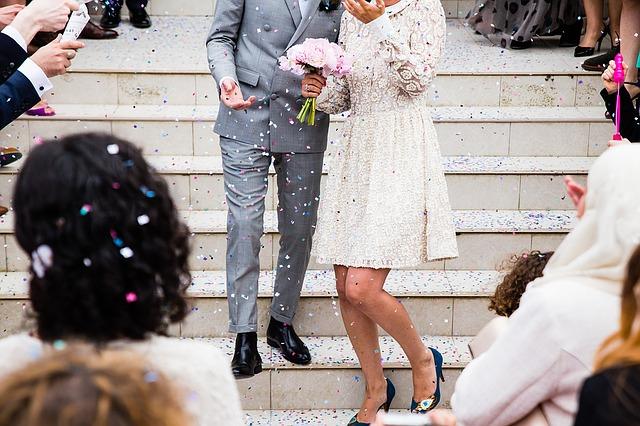
Wedding season feels modern, almost like a scheduling trend invented by venues, florists, and group chats. It is not. The idea that certain months are better for marriage than others goes back hundreds of years, shaped by religion, farming, money, travel, and even basic hygiene.
Why “wedding season” exists at all
Get The Latest News!
Don't miss our top stories and need-to-know news everyday in your inbox.
Most people think couples simply pick dates they like. In reality, wedding patterns have long been shaped by what life allowed.
For much of history, marriage was not just a romantic milestone. It was also a family agreement, a social event, and often an economic decision. That meant the timing mattered. People needed food to serve guests, time away from work, and roads that were passable enough for travel. They also had to work around religious calendars and local customs.
So “wedding season” grew out of practical limits. Over time, those limits turned into habits. Then habits became traditions.
That is why even now, when couples can in theory marry any day of the year, certain months still fill up first.
The church helped shape the calendar
One major source of wedding timing in Europe and later in North America was the Christian liturgical calendar.
In medieval and early modern Christian communities, marriages were often discouraged or restricted during certain sacred periods, especially Lent and Advent. Lent, the period leading up to Easter, was treated as a time for fasting, reflection, and restraint. A big celebration did not fit that mood. Advent, leading up to Christmas, could carry similar limits in some places.
That pushed many weddings into the weeks after Easter or after other restricted periods ended.
June became especially popular in many parts of Europe for several reasons. One was that it followed the spring religious season. Another was symbolic. June was linked in Roman tradition to Juno, the goddess associated with marriage and women. Even after Christian customs took over, older ideas often lingered in local culture.
This helps explain why people still repeat sayings about “June brides.” The phrase sounds romantic, but it has roots in older religious and cultural habits, not just modern taste.
Farming schedules mattered more than romance
For most people in the past, daily life was tied to agriculture. That had a huge effect on when weddings could happen.
Planting and harvest were intense periods of labor. Families could not easily stop work to host a feast or travel to another village. A wedding needed a moment when people had both time and resources.
After the harvest, families often had fuller food stores and a little breathing room. That made autumn a practical time for celebrations. In many rural communities, weddings clustered after the busiest farm work ended.
This pattern still echoes today. Even people who have never worked on a farm often choose dates that feel socially “open” and manageable. The old logic has changed form, but not disappeared. People still ask versions of the same questions: When can everyone come? When can we afford it? When will life be least chaotic?
Money, food, and guest travel shaped the tradition
A wedding has always required logistics.
In earlier centuries, feeding a crowd was a serious commitment. Families often planned weddings when fresh food or stored food would be more available. If a family raised livestock, brewed ale, baked bread, or preserved produce, timing the event around household supply made sense.
Travel also mattered. Guests might arrive by foot, horse, or wagon. Bad roads could turn a celebration into a burden. That meant couples often aimed for periods when movement was easier and safer.
Modern life looks different, but the same pressures remain in updated form. Couples now think about airfare, hotel prices, school schedules, sports seasons, and paid time off. A date that works beautifully on paper may be a headache for half the guest list.
That is one reason wedding season persists. It reflects not just preference, but coordination.
Hygiene myths and the “June wedding” idea
One popular story says people married in June because they took their yearly bath in May and still smelled decent a month later. It is memorable, but historians generally treat this as an oversimplified myth.
People in the past did bathe and wash, even if their habits differed from modern routines. The claim that an entire culture scheduled weddings around one annual bath is more joke than solid history.
Still, the myth survives because it offers a neat, funny explanation for a real pattern. And that pattern did exist: June was favored in many places. The stronger reasons were usually religious timing, social custom, and practical planning.
This is a good example of how wedding traditions often get flattened into catchy stories. A simple explanation spreads faster than a messy, realistic one.
Different cultures developed different wedding seasons
There is no single global wedding season. The pattern depends on place, religion, climate, and local tradition.
In many Hindu communities, for example, weddings are often planned around astrologically favorable dates rather than one broad social season. Some dates are considered highly auspicious, while others are avoided.
In Jewish tradition, some periods are more common than others because of religious observances and restrictions. Certain holidays or mourning periods may affect when weddings are held.
In East Asian communities, lucky numbers, lunar calendars, family customs, and symbolic dates can strongly shape wedding timing. A date might be chosen because it sounds lucky, aligns with a festival, or fits a family tradition.
Even within the same country, wedding patterns vary. Urban couples may choose based on venue demand and guest convenience. Families in smaller towns may still follow local customs more closely.
So when people talk about “wedding season,” they are often describing a regional habit, not a universal rule.
How the modern wedding industry strengthened the idea
If older customs created wedding season, the modern wedding industry helped lock it in.
Venues, photographers, caterers, and florists know that some months bring heavier demand. As a result, prices often rise during peak periods. Popular Saturdays can book up far in advance. Couples may feel pressure to act quickly if they want a familiar “ideal” date.
This creates a feedback loop. People hear that certain months are best, so they book those months. Because those months get crowded, they seem even more important.
You can see this in everyday life. Friends suddenly have back-to-back weddings. Hotel blocks disappear. Group chats fill with travel planning. Formalwear gets reused three weekends in a row.
Wedding season is not just tradition. It is now a social and commercial rhythm.
The sayings and assumptions attached to wedding dates
Wedding timing comes with a surprising number of sayings and beliefs.
“June bride” is one of the best known. It suggests beauty, luck, and romance, though its roots are older and more practical than many people realize.
There are also folk beliefs about lucky days to marry, unlucky months, and dates that promise prosperity or harmony. Some families still care deeply about these ideas. Others treat them lightly, like a nod to older generations.
A common misunderstanding is that these traditions were always about love or symbolism first. Often, they were about managing real life. The poetry came later.
That does not make the traditions less meaningful. In fact, it may make them more interesting. They show how ordinary needs can slowly become cherished rituals.
How to recognize wedding season in your own life
You do not need to study history to spot the effects of wedding season.
You can see it when venues charge more on certain weekends. You can feel it when several friends pick dates close together because the same months seem “right.” You can hear it in family advice about lucky dates, holiday conflicts, or when guests are most likely to attend.
If you are planning a wedding yourself, it helps to ask a few basic questions:
- Are you choosing a date because it truly fits your life, or because it feels expected?
- Will your guests face high travel costs during peak demand?
- Would an off-peak date give you better prices and more vendor options?
- Are there family or cultural traditions that matter to you more than the standard calendar?
For many couples, stepping outside the usual season can lower stress and cost. For others, staying within it makes attendance easier and fits long-held traditions. Neither choice is automatically better. The key is knowing why the pattern exists.
Wedding season did not appear by accident. It grew out of sacred calendars, farm work, family budgets, and the challenge of gathering people in one place. Even now, with online booking and destination venues, those old forces still leave their mark. What looks like a simple date on an invitation often carries centuries of practical wisdom, social habit, and cultural memory.
More like this:


- Most Popular



- Top Stories



- Most Recent
- Sign In
- Home
- Video
- News
-
Weather
 Sponsored by Michael Ryan Exteriors - Roofing Professionals
 - Sports
- Obits
- Events
- Radio
- AP News
- Shop Local
- Classifieds
- Autos
- Real Estate
- Directory
Get the RiverBender App


Follow Us
Copyright © 2026 RiverBender.com All rights reserved.
primary