


Why Winter Feels Slower Than Other Seasons
Once your days have shape, time usually stops dragging its feet.
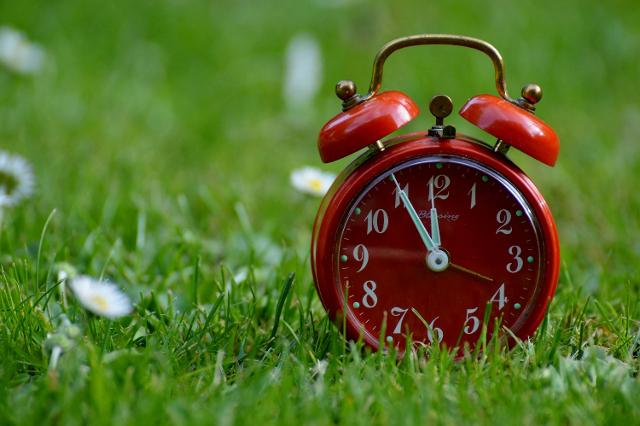
At 4:30 p.m., it can feel like the day has already been used up. You glance at the clock, you’ve done a normal amount of work, and yet everything seems to move in slow motion—your energy, your plans, even your patience. It’s not just imagination. Certain months really do feel slower, and there are several reasons your brain and body push that impression to the front.
The “slow” feeling is real—even if the clock doesn’t change
Get The Latest News!
Don't miss our top stories and need-to-know news everyday in your inbox.
A day is still 24 hours. But your sense of time is not a stopwatch. It’s a mix of attention, mood, light, routines, and what your brain decides is worth remembering. When those ingredients shift, time can feel stretched out or oddly heavy.
That’s why two people can live through the same week and describe it differently. One says it flew by. The other says it dragged. The season doesn’t directly change time, but it changes the conditions that shape how time feels.
Light changes how your brain reads the day
One of the biggest drivers is light. When daylight is shorter, your brain gets fewer bright-light signals that help set your internal clock. Light is like a daily “reset button” for alertness and mood.
Less daylight can lead to:
- Lower energy during the day
- Sleepiness earlier in the evening
- Less motivation to start tasks
- More time spent indoors under dimmer light
When you’re less alert, your mind tends to wander more. Minutes feel longer because you’re not as engaged. Think about the difference between watching a gripping movie and sitting through a boring meeting. The minutes are identical, but one feels fast and the other feels endless.
There’s also a simple visual trick: when it gets dark earlier, your brain treats it like the “end” of the day. Even if you still have hours left, it can feel like you’re running out of time, which makes the remaining time feel heavier and slower.
Your routines shrink, so days blend together
Time feels faster when your days are packed with distinct events: new places, social plans, small trips, outdoor errands, sports, and spontaneous stops. When life becomes more repetitive, your brain records fewer “markers.” Without those markers, days can feel long while you’re living them, yet strangely forgettable when you look back.
In slower-feeling months, many people:
- Go straight from home to school or work and back again
- Spend fewer evenings out
- See friends less often in person
- Exercise less outdoors
- Avoid extra errands because it feels like a hassle
This creates a loop: fewer activities mean fewer memorable moments, and fewer memorable moments make time feel thick and repetitive. It’s the same reason long stretches of doing the same thing—like waiting for a package or counting down to a break—can feel like time is crawling.
Cold changes behavior, and behavior changes time
Temperature doesn’t just affect comfort. It affects what you’re willing to do. When it’s uncomfortable outside, you naturally limit movement. You walk less, linger less, and choose the simplest route through the day.
That matters because movement and variety help time feel like it’s moving. A day with a walk, a quick chat with a neighbor, and a stop at a store has more “chapters” than a day spent mostly in one room.
Even small choices add up. If you drive instead of walk, skip a quick outing, or stay in on a weekend, your day has fewer transitions. Fewer transitions often means a slower, flatter sense of time.
Mood and motivation shape the speed of your thoughts
Many people feel a dip in mood during darker months. Some experience seasonal depression, but you don’t need a diagnosis to notice a shift. Mild sadness, lower motivation, or irritability can all change time perception.
Here’s a simple way to think about it:
- When you’re excited, your mind is future-focused. You’re moving toward something.
- When you’re bored or down, your mind is stuck in the present. You notice every minute.
That’s why waiting feels slow. That’s why a long afternoon with nothing planned can feel endless. If your mood drops even a little, your brain pays more attention to time passing. And the more you watch the clock, the slower it seems to move.
The calendar itself encourages “waiting mode”
Culturally, many people treat this part of the year as a holding period. Big plans often get pushed to “after the holidays” or “when it warms up.” Even if you’re busy, there’s often a background feeling of waiting for something: a break, a new year, a change in schedule, a return to normal routines.
Language reflects this. People say:
- “Just get through it.”
- “We’re in hibernation mode.”
- “The winter blues.”
- “Cabin fever.”
“Hibernation” is a common metaphor, even though humans don’t hibernate. But it captures a real pattern: conserve energy, stay in, keep life smaller. When life feels smaller, time can feel slower because there’s less novelty pulling you forward.
Why it can feel slow now, but fast later
There’s a twist. Many people look back and say the season “flew by,” even though it felt slow day to day. That’s because time feels slow in the moment when days are repetitive, but it feels fast in memory when there are fewer standout moments.
Your brain doesn’t store every minute. It stores highlights. If the weeks contain fewer highlights, your memory has fewer “bookmarks,” and the whole stretch compresses when you look back.
So you can have both experiences at once:
- Living it: slow, heavy, drawn out.
- Remembering it: blurred, quick, hard to separate.
Historical roots: why people have long linked this season with slowness
Before modern heating, bright lighting, and cars, daily life really did slow down for many communities. Travel was harder. Food variety dropped. Work shifted to indoor tasks. Even social gatherings often depended on daylight and safe roads.
That history left a mark on traditions and sayings. The idea of “wintering” somewhere, stocking up, and waiting for easier conditions is old. So is the belief that this is a time for endurance and patience.
Modern life has changed, but the cultural script remains. You still hear it in phrases like “bundling up,” “batten down the hatches,” or “cooped up.” They suggest staying put and riding something out—exactly the mindset that makes time feel slower.
Everyday examples you can recognize
If you’re wondering whether this is happening to you, look for patterns like these:
- You check the clock more often, especially in late afternoon.
- Weekdays feel long, but weekends don’t feel refreshing.
- You put off plans because leaving the house feels like a chore.
- You snack more or scroll more, not out of hunger but out of restlessness.
- You feel tired earlier, even if you slept a normal amount.
None of these prove anything on their own. But together, they paint a picture: less light, less movement, less variety, and more “waiting mode.”
Practical ways to make time feel less sluggish
You can’t control daylight, but you can change the signals your brain uses to track time.
Add bright light early in the day. Open blinds, step outside for a few minutes, or sit near a window. Morning light is especially helpful for alertness.
Create more “chapters” in your day. A short walk, a quick errand, or even moving to a different room to work can break up the sameness.
Plan one small thing to look forward to each week. It doesn’t need to be big. A movie night, a favorite meal, a visit with a friend, or a class can give your brain a future marker.
Move your body on purpose. Exercise isn’t only about fitness here. It raises energy and makes the day feel more active and structured.
Use rituals that signal progress. Candles at dinner, a specific playlist while cleaning, or a Sunday reset routine can make time feel more organized instead of endless.
These aren’t magic fixes, but they work because they add light, variety, and meaning—three things that speed up the sense of time.
Time doesn’t actually slow down, but your life can start to feel like it has fewer pages per day. When light fades earlier, routines tighten, and motivation dips, your brain stops getting the cues that make days feel lively and quick. The good news is that small changes—more light, more movement, more planned moments—can give the day its shape back. And once your days have shape, time usually stops dragging its feet.
More like this:


- Most Popular


- Top Stories

- Most Recent


