

Why Winter Silence Feels Different Than Summer Quiet
Winter silence and summer quiet aren’t competing versions of the same thing. They’re different sound worlds built from different materials.
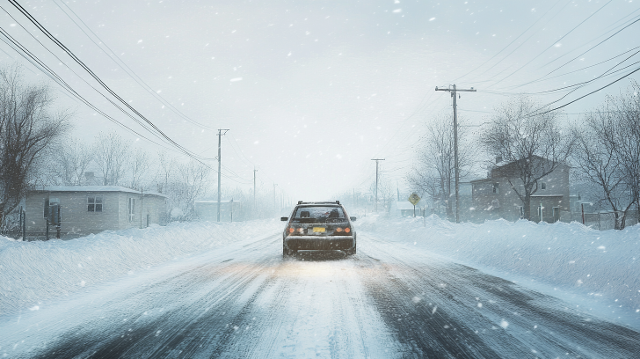
Silence isn’t just the absence of sound. It has a texture—and sometimes it feels so thick you can almost lean on it.
Get The Latest News!
Don't miss our top stories and need-to-know news everyday in your inbox.
That’s why a quiet street can feel completely different depending on what’s happening in the world around it. One kind of quiet feels open and relaxed, like a pause between conversations. Another feels sealed shut, like the world has pulled a blanket over itself. The difference isn’t only in your head. It comes from how sound moves, what the landscape is doing, and what your brain expects to hear.
Quiet and silence are not the same thing
People often use “quiet” and “silence” as if they mean the same thing. But they don’t feel the same.
Quiet is usually a drop in volume. There are still small sounds: a bird, a car far away, leaves shifting, a neighbor’s door. Silence feels more like a missing layer. You notice what isn’t there.
This matters because your brain is a prediction machine. It constantly checks: What should I be hearing right now? When the expected sounds disappear, your attention sharpens. You don’t just hear less. You listen more. That’s one reason certain kinds of stillness feel intense.
Snow changes the world’s “sound insulation”
One of the biggest reasons winter silence feels unusual is simple: snow absorbs sound.
Fresh snow is full of tiny air pockets. Those pockets act like a sponge for sound waves. Instead of bouncing around, sound gets trapped and weakened. This is why a neighborhood after a snowfall can feel muted, even if nothing else has changed.
In contrast, many summer surfaces reflect sound. Hard ground, dry pavement, and even dense leaves can send sound back toward you. You may still call it “quiet,” but the space doesn’t feel as muffled. Sound travels, hits something, and returns. The world feels more “alive” acoustically.
Real-world example: think about walking near a road. On a snowy day, the traffic can seem farther away than it is. On a warm day, the same road can feel closer because you hear more of its detail—tire hiss, engine notes, short echoes.
Cold air bends sound in different ways
Temperature also changes how sound travels. Sound moves through air, and air is not the same in every condition.
On cold, clear days, the air near the ground can be colder than the air above it. This creates layers. Those layers can bend sound downward so it carries farther along the ground. That’s why you might hear a train horn or distant highway noise more clearly on certain cold nights.
So why does it still feel “silent”? Because winter often reduces nearby sound sources even when distant sound carries well. You get fewer local details—fewer insects, fewer birds, fewer people outside—but you might catch a faraway sound with surprising clarity. That mix can feel eerie: close-up quiet paired with distant reach.
Summer quiet is filled with small life sounds
When people describe summer quiet, they often mean low human noise, not a lack of sound altogether.
Summer is full of tiny, continuous noises: insects, birdsong at dawn, wind in leaves, lawn sprinklers, distant games, a window fan, a motorcycle passing every so often. Even if you’re in the countryside, there’s usually a steady background layer. It’s like a soft “bed” of sound that tells your brain everything is normal.
Winter strips away many of those cues. Insects go silent. Many birds migrate or call less. People spend more time indoors. Windows close. Outdoor social noise drops. Without that steady background, pauses feel bigger.
A common misunderstanding is that winter is quieter only because people are inside. That’s part of it, but not all. Nature’s soundscape changes too, and the ground and air handle sound differently.
Trees, leaves, and the “shape” of quiet
Landscapes act like acoustic furniture. Leaves scatter and soften sound. A full canopy can break up a noise and spread it out. Bare branches do less of that. They can also allow sound to travel in straighter paths.
In summer, foliage can create a gentle rustle that masks other sounds. It also hides small noises that would otherwise stand out. In winter, without leaves, you may hear sharper, more isolated sounds: a footstep, a gate latch, a dog barking across the way.
This is one reason winter quiet often feels “clean” or “sharp,” while summer quiet feels “soft” or “busy,” even when both are calm.
The role of humidity and “air softness”
Humidity affects how sound is absorbed in the air. Moist air can carry certain frequencies differently than dry air. You don’t need to know the physics to notice the effect: summer air often feels “thicker” and can make the world sound more blended. Winter air can feel “crisp,” making individual sounds stand out.
That crispness can trick you into thinking it’s quieter. You may hear fewer sounds overall, but the ones you do hear can feel more defined. Your brain interprets that as a different kind of silence.
Culture teaches us what silence is supposed to mean
Silence comes with stories attached.
In many places, winter is linked with rest, stillness, and waiting. Even common sayings point that way. “Dead of winter” suggests a pause in life. “Snowed in” implies the world has stopped. Holiday traditions often involve quiet nights, candlelight, and staying close to home. These cultural cues shape what you expect to feel when the soundscape changes.
Summer has a different set of expectations: movement, travel, play, open windows, late evenings, outdoor noise. Even the phrase “summer night” often carries a sense of activity—crickets, distant music, people still out.
So when a summer evening is unusually quiet, it can feel peaceful. When a winter evening is quiet, it can feel normal—or, depending on the setting, heavy. Your mind is comparing the moment to a learned script.
Why winter silence can feel emotional
The emotional side is real. Fewer sounds can make you more aware of your own thoughts and body: breathing, footsteps, the creak of a coat, the crunch under shoes. That can feel calming, but it can also feel lonely.
There’s also a practical reason: quiet can signal safety or uncertainty. In nature, sudden silence sometimes means a predator is near. Humans still carry some of that wiring. When the world goes unusually still, part of you pays attention.
At the same time, winter quiet often comes with reduced visual movement—less swaying foliage, fewer insects, fewer people outside. When both sound and motion drop, the brain reads it as a bigger shift than sound alone.
How to notice the difference in your own life
You can test these ideas without any special tools.
- Listen for the “base layer.” In summer, identify the constant background: insects, leaves, distant traffic. In winter, notice what replaces it—often HVAC hums, occasional cars, or nothing at all.
- Pay attention to your footsteps. Winter surfaces often make your movement louder (crunch, squeak) while the world around you stays quiet. That contrast makes silence feel deeper.
- Compare open vs. closed spaces. Stand near a wooded area in summer and then in winter. Notice how the presence or absence of leaves changes the way sound spreads.
- Notice distance. On certain cold nights, try listening for faraway sounds. You may catch details you miss in warmer months.
- Track your mood. Ask yourself: does the quiet feel restful or tense? Your reaction is part soundscape, part expectation, part memory.
A different kind of quiet, not a better one
Winter silence and summer quiet aren’t competing versions of the same thing. They’re different sound worlds built from different materials: air, ground, plant life, human habits, and the stories we attach to them. One tends to feel muffled and close, with sudden sharp details. The other tends to feel layered and continuous, even when it’s calm.
When you notice that difference, silence stops being empty. It becomes information—about the surface under your feet, the shape of the landscape, the life nearby, and what your mind expects the world to sound like.
More like this:




- Most Popular



- Top Stories



- Most Recent