
Woman Survives Ruptured Brain Aneurysm During Walk
Kari Rixstine says a routine morning with her dogs became a medical emergency, prompting her to urge others to recognize sudden severe headache symptoms.
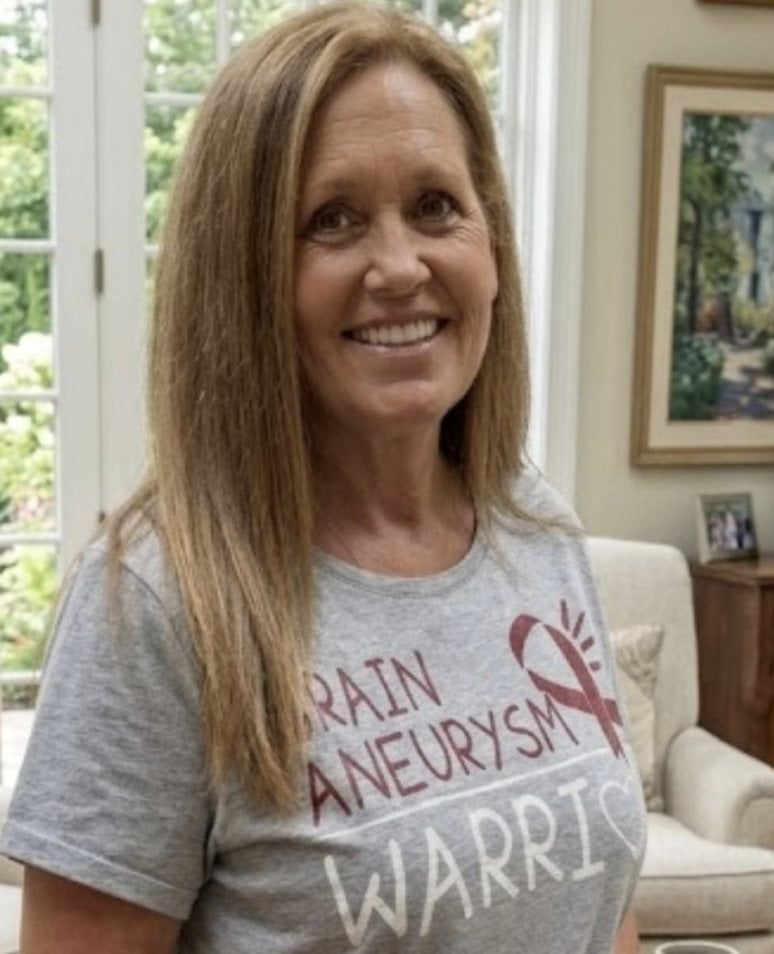
September is Brain Aneurysm Awareness Month, and one woman is sharing her story after a rupture nearly took her life.
Get The Latest News!
Don't miss our top stories and need-to-know news everyday in your inbox.
Kari Rixstine says what started as a routine morning walk with her dogs quickly turned into a medical emergency. She now wants people to know the warning signs and why a sudden, severe headache should never be ignored.
It was a Monday morning walk that Kari Rixstine will never forget.
She had just said goodbye to her husband, Tim, and walked about a half block with her dogs when one of them lunged.
Then, Rixstine says, came a pain she had never felt before.
At first, she thought she had been shot in the head.
“They call it a 'thunderclap' headache. It's the worst headache of your life," the Bloomington woman said. "That's what you need to look for. There are vision issues and nausea. When mine ruptured, pain in my neck. I was totally confused, instantly.”
Rixstine also temporarily lost vision in her right eye. She managed to get herself and the dogs home. By the time paramedics arrived, she was in severe pain, vomiting and experiencing neck pain.
At the hospital, her symptoms were initially thought to be a migraine.
But her husband pushed for more testing, pointing out that both Rixstine's mother and aunt had died after ruptured brain aneurysms. A CT scan discovered the aneurysm and doctors moved quickly to treat it through surgery.
Rixstine spent about two weeks in intensive care.
A ruptured aneurysm can cause a life-threatening brain bleed.
But Dr. Thomas Russell, an OSF HealthCare neurosurgeon who specializes in neuro endovascular surgery, says having a brain aneurysm does not have to mean the worst.
Russell explains, "We actually have a bunch of different ways to treat aneurysms, so if you have a strong family history and there's some concern about aneurysms and brain bleeds in the family, then talk to your doctor about it because there are screening tests we can do and there are treatments we can also perform."
Russell says some aneurysms never rupture.
And some warning signs of an unruptured aneurysm can be subtle, including a droopy eyelid or a dilated pupil.
If you have a family history of brain aneurysm, ask to get a baseline CT, and if nothing is detected, Dr. Russell says that can simply require a repeat scan every five years or so. But know the signs because one in 50 people have a brain aneurysm, and one ruptures every 18 minutes across the country.
More like this:



- Most Popular



- Top Stories



- Most Recent