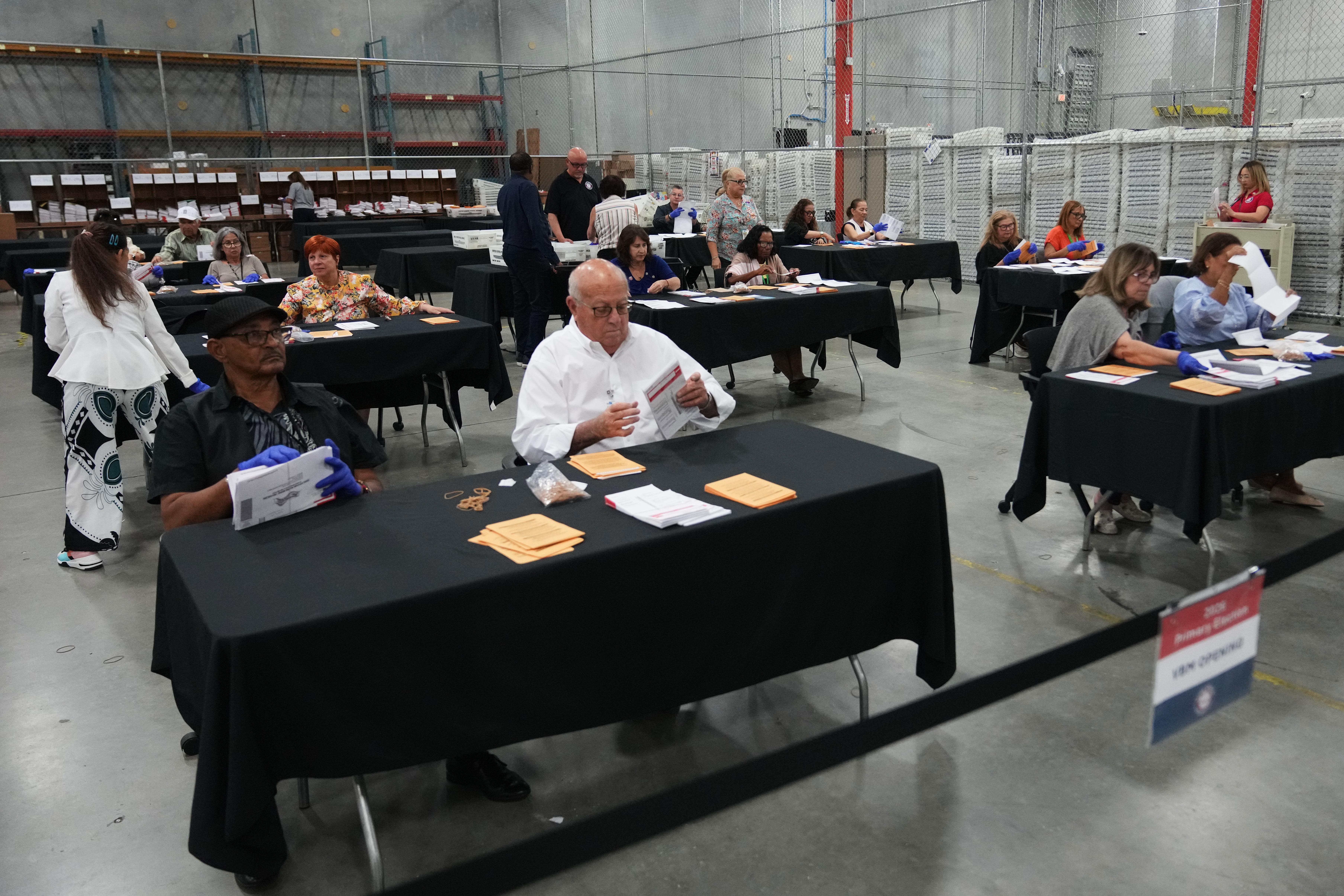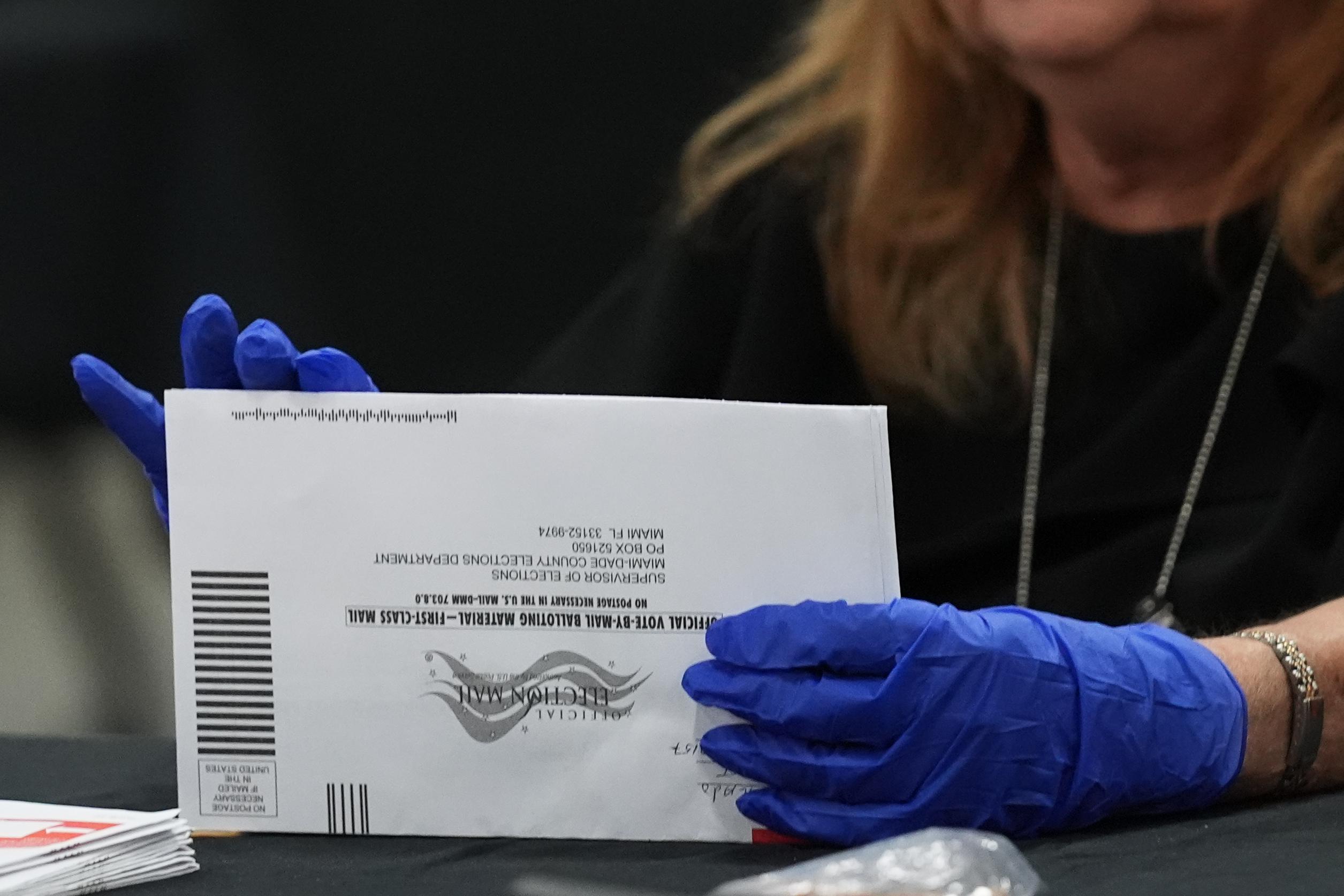

A federal judge on Friday extended her prohibition against the U.S. Postal Service implementing President Donald Trump’s executive order seeking to limit mail voting during the midterms, putting another major obstacle in the way of the administration as the first states begin sending out mail ballots.
The preliminary injunction from U.S. District Court Judge Indira Talwani replaces a temporary order she granted blocking the Postal Service’s plan.
Get The Latest News!
Don't miss our top stories and need-to-know news everyday in your inbox.
The Trump administration had already asked the Supreme Court to lift Talwani's temporary order, and on Friday it informed her that it would appeal her latest decision to the U.S. 1st Circuit Court of Appeals.
The administration is running out of time to make big changes in voting procedures, though. North Carolina began sending out its first mail ballots Friday and more states will swiftly follow.
The legal battle could have major ramifications for this year’s elections, when control of Congress is at stake. Nearly one-third of voters in the U.S. cast mail ballots and election officials contend there isn’t enough time to revise their systems to comply with the new Postal Service directives.
Talwani, who was appointed by President Barack Obama, pointed to the tight timeline in her ruling.
“Plaintiff States are required under state law to mail millions of ballots to voters on a prescribed timeframe. As detailed below, they are unable to pivot this late in the election cycle, nearly guaranteeing significant disenfranchisement for eligible voters,” she wrote.
The White House did not immediately respond to a message seeking comment.
The order allows states to voluntarily use the new Postal Service system. To date, not a single state has announced that it will do so.
Trump has long sought to limit mail voting, even though he himself often uses that method to cast his own ballot. He has falsely blamed mail balloting for his 2020 election loss, spreading baseless claims of fraud, but has so far been unable to change the longstanding voting procedure.
An initial executive order Trump issued last year to change election rules, including a requirement for people to show documentary proof of citizenship to register to vote, was halted by federal judges. They ruled that the Constitution gives states and, in some cases, Congress the power to set voting procedures, not the president.
After Trump issued his mail voting executive order in March, Democrats and voting rights groups filed several lawsuits. Two ended up before Talwani, who placed an initial hold on the order in June, prohibiting its implementation until after November.
But the Supreme Court late last month overturned that order. Its conservative majority pointedly did not say Trump’s move was legal but found the lawsuits were filed prematurely before the Postal Service issued its rule on how it would implement the order. The rule came out just before the Supreme Court released its ruling, and the plaintiffs re-filed their suits.