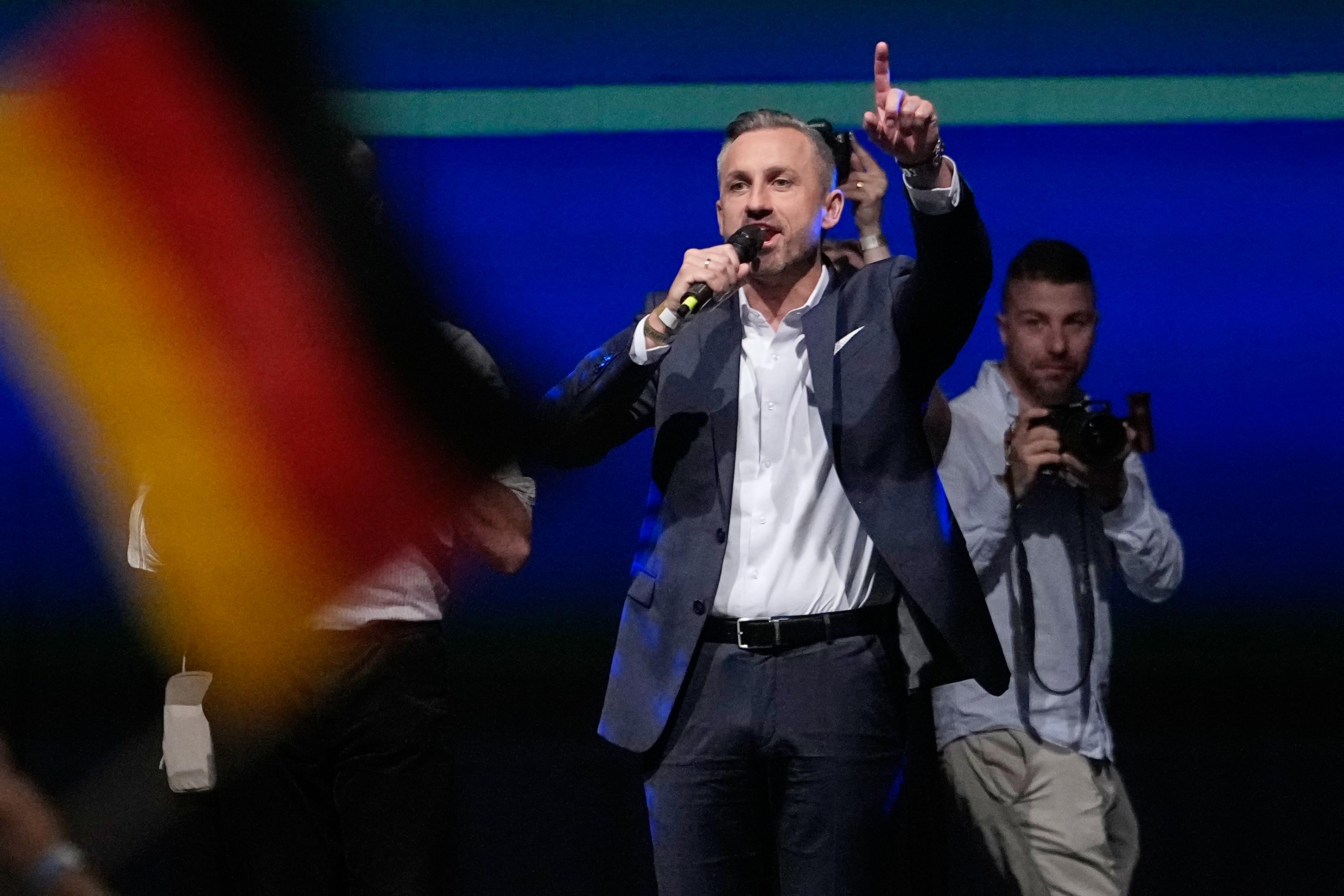
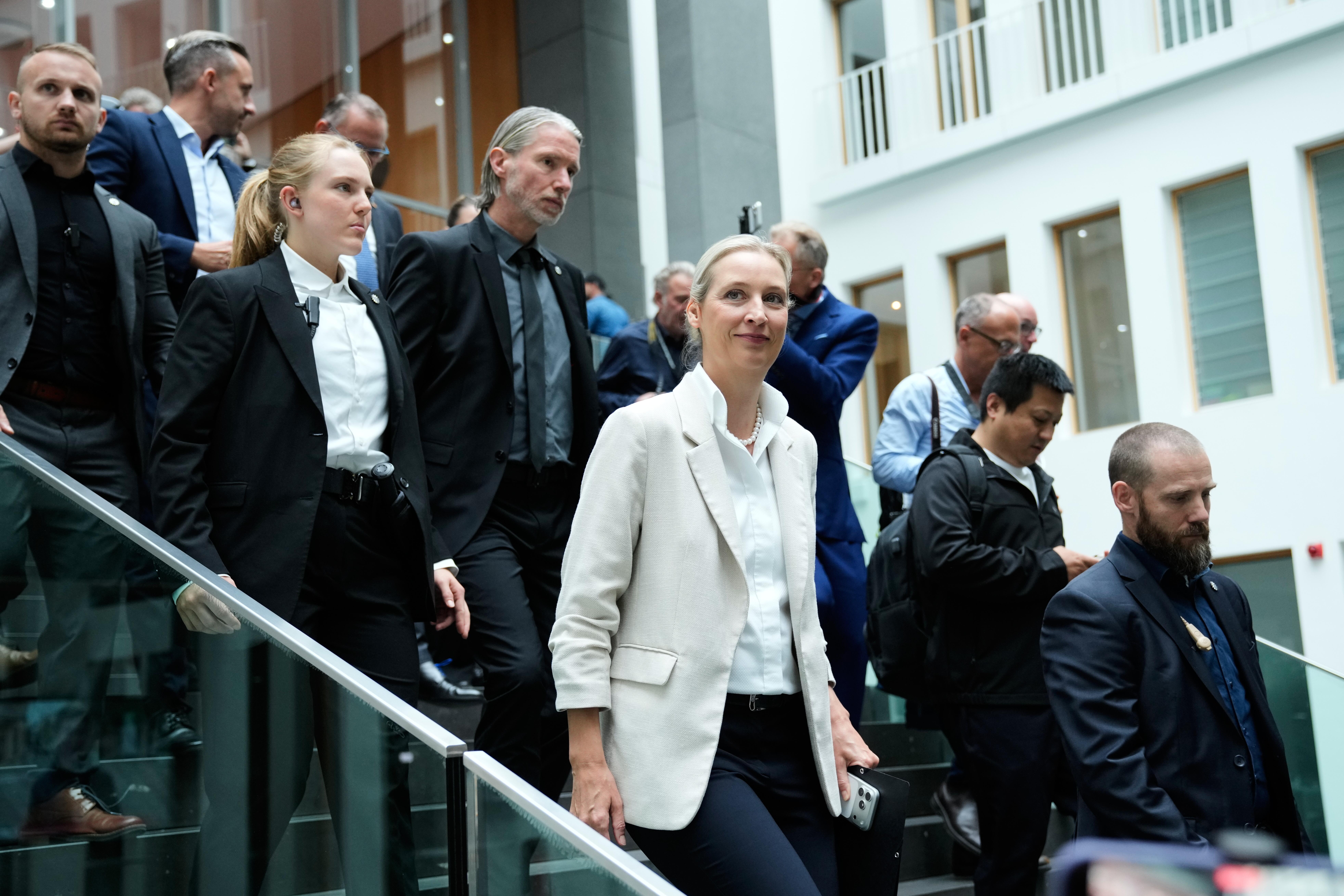
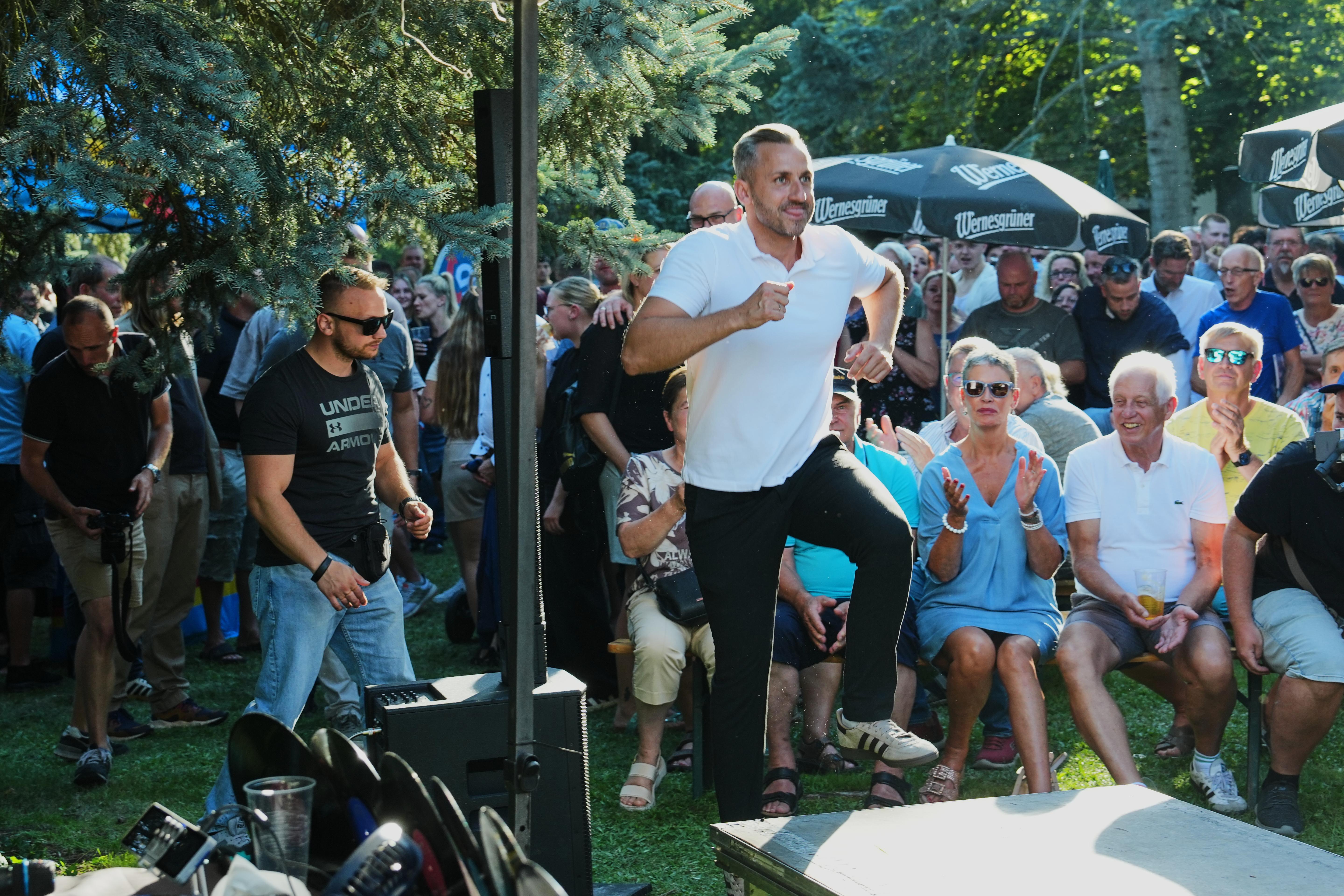
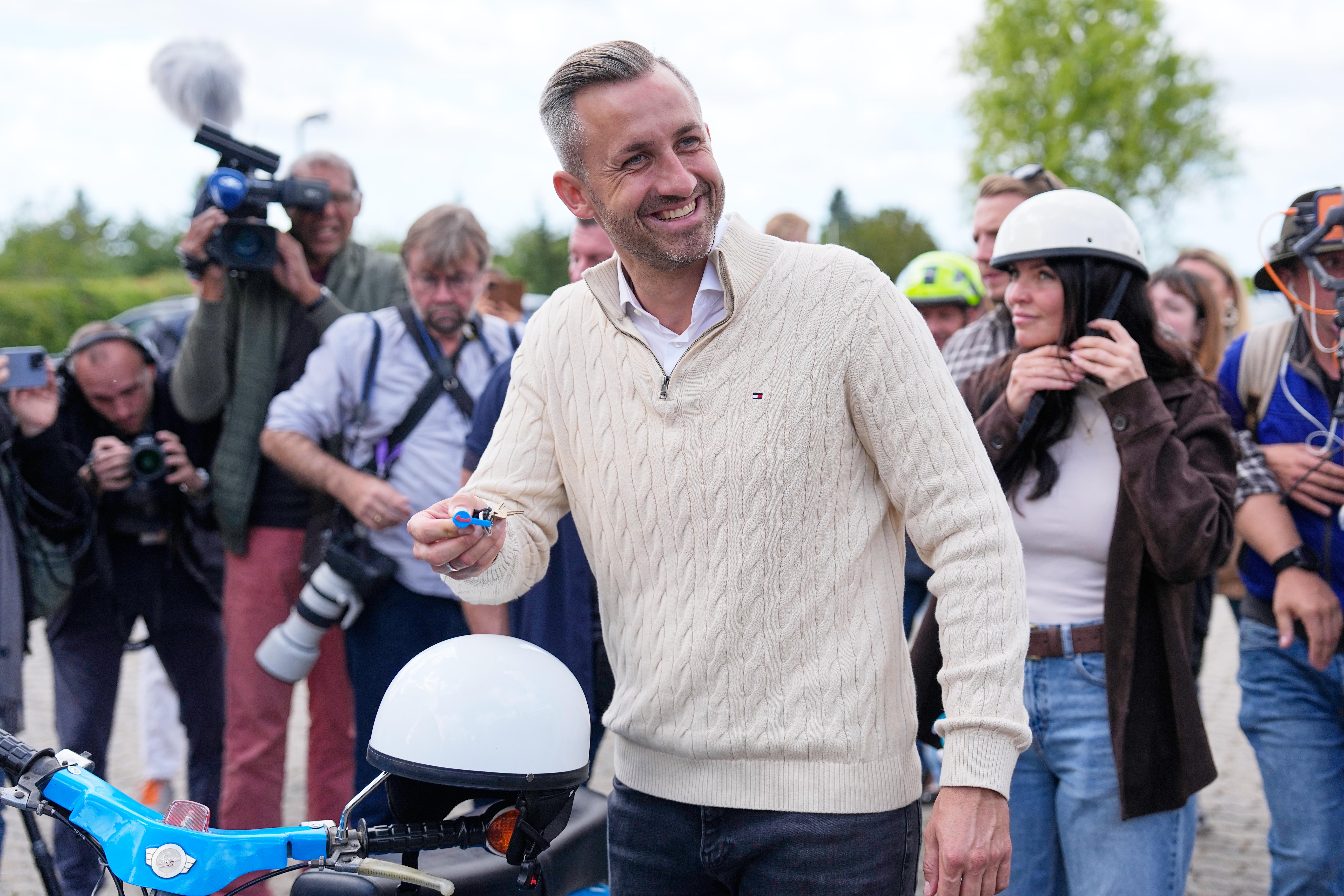
STOCKHOLM (AP) — Voters in Sweden went to the polls on Sunday for an election that will determine whether a conservative leader remains in charge and a hard-right party wins ministerial jobs for the first time, or whether the center-left returns to power.
Prime Minister Ulf Kristersson is seeking a second four-year term at the helm of the European Union nation that is also NATO’s newest member. Meanwhile, his predecessor hopes to win the job back.
Get The Latest News!
Don't miss our top stories and need-to-know news everyday in your inbox.
Experts say the campaign has been fragmented and incoherent, with policy questions such as how healthcare should be organized drowned out by questions about which parties will be able to put together a government.
“Crime has come down, inflation has come down. So these topics are not really what people discuss,” said Zeth Isaksson, a sociologist in electoral behavior at Stockholm University and a political scientist at the European University Institute in Florence, Italy. “People discuss who is going to be in government, and that’s what the election is about.”
Kristersson has led Sweden since 2022 with a three-party center-right coalition. It relies on outside support from the Sweden Democrats, an anti-immigration party that has far-right roots but has moved toward the political mainstream, for a parliamentary majority. If the right is reelected, it can expect Cabinet posts this time.
He’s up against Magdalena Andersson of the center-left Social Democrats, a party that more often than not has led Swedish governments since World War II. Andersson served as prime minister from 2021 until she lost power at the last election.
There are two major political blocs: one with four parties on the right and another with four parties on the left. So the big question is less about which party wins and more about which side can form a majority. Individual parties need a minimum of 4% of the vote to win parliamentary seats.
The Sweden Democrats, who in 2022 took 20.5% of the vote to become the biggest party on the right, can expect Cabinet seats if power doesn’t change hands.
Kristersson announced in April that his conservative Moderates would allow them into government if the right has a majority — though he would remain prime minister even if the Sweden Democrats are the stronger party.
The Sweden Democrats were founded in the 1980s by people who had been active in right-wing extremist groups, including neo-Nazis. They toned down their rhetoric and expelled openly racist members under Jimmie Åkesson, who has led them since 2005 and overseen their growth from what was once a marginal party.
“This is a very important election for Sweden, if we for the first time should have a right-wing extremist party founded by Neo-Nazis in our government or if the government should be led by me,” said Andersson after voting.
“I think we are in a good position to be able to win this election,” said Kristersson.
Sweden Democrats leader Åkesson said that "we have shown over the past four years that we can work together. We can cooperate constructively. ... We can get Sweden moving in the right direction again.”
The Sweden Democrats' role is in focus against a background of gains for the populist right in Europe, including the first-place finish by the far-right Alternative for Germany party in a regional election there Sept. 6.
More than 8 million people in the nation of about 10.6 million are eligible to vote in the election for the 349-seat parliament, the Riksdag, which will elect the next prime minister. The Swedish Election Authority says the first preliminary results will be available around 9 p.m. (1900 GMT).