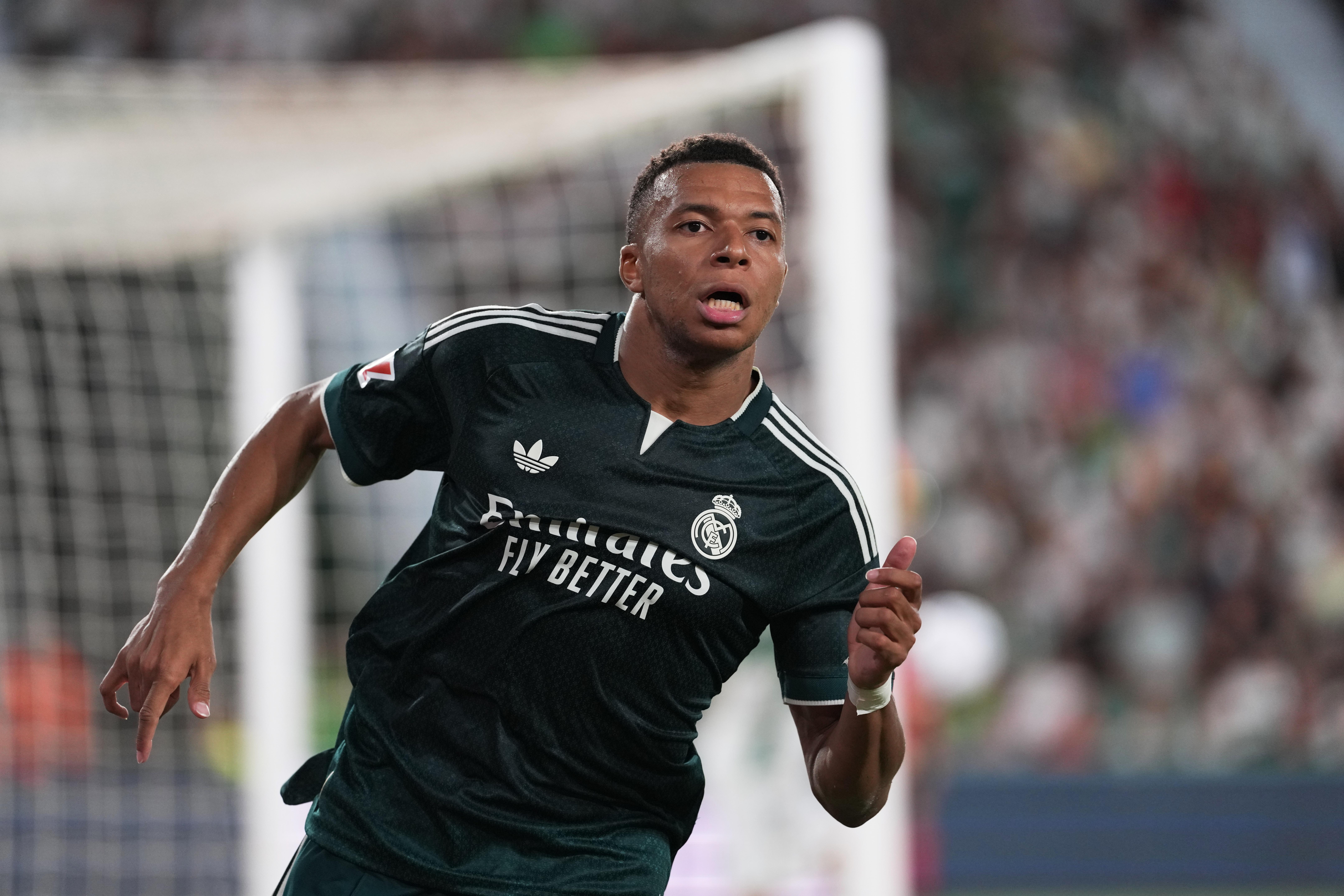

BARCELONA, Spain (AP) — Real Madrid stars Kylian Mbappé and Vinícius Júnior have found themselves in the middle of a supercharged political and social debate in Spain about migration and the country’s relations with Morocco.
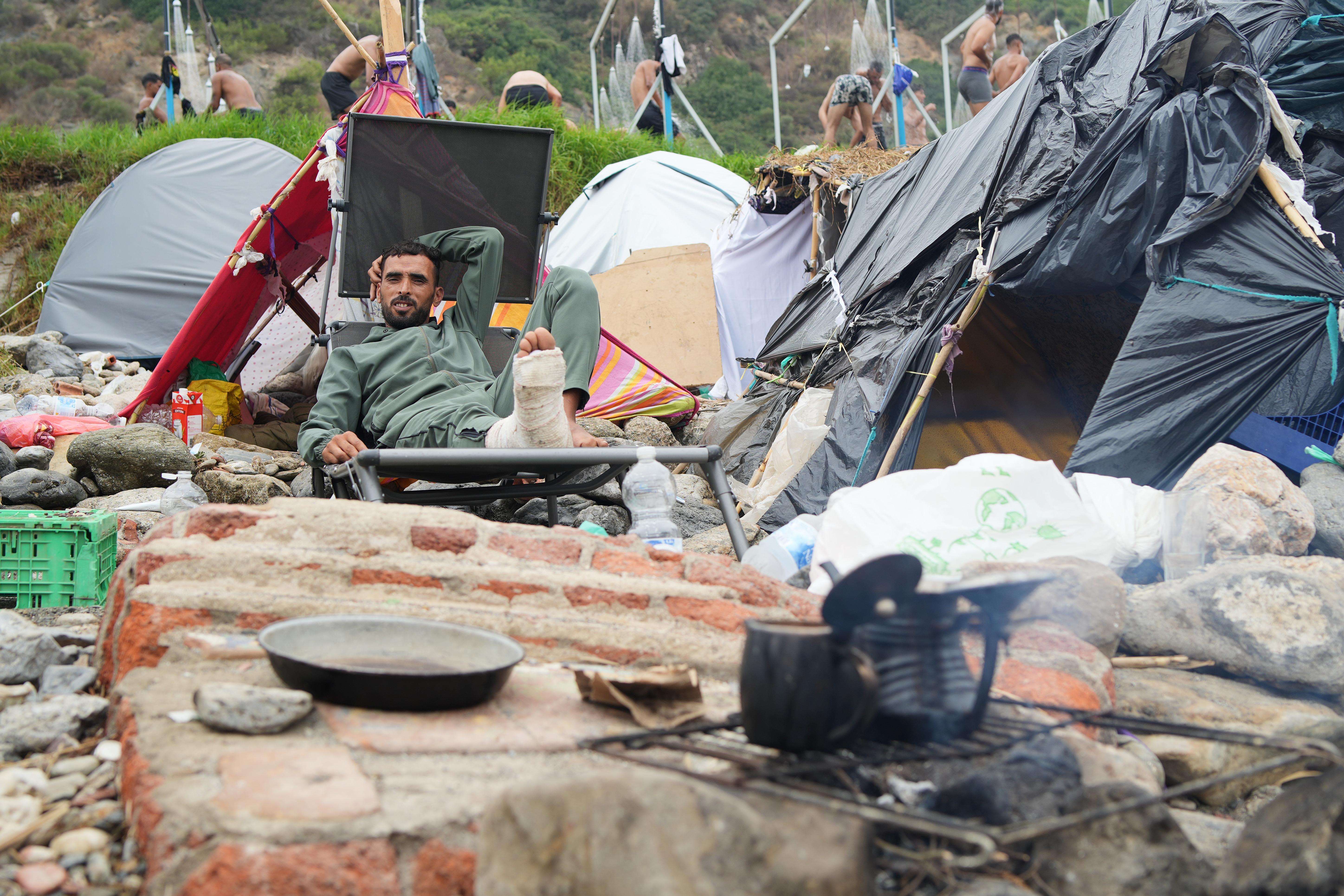
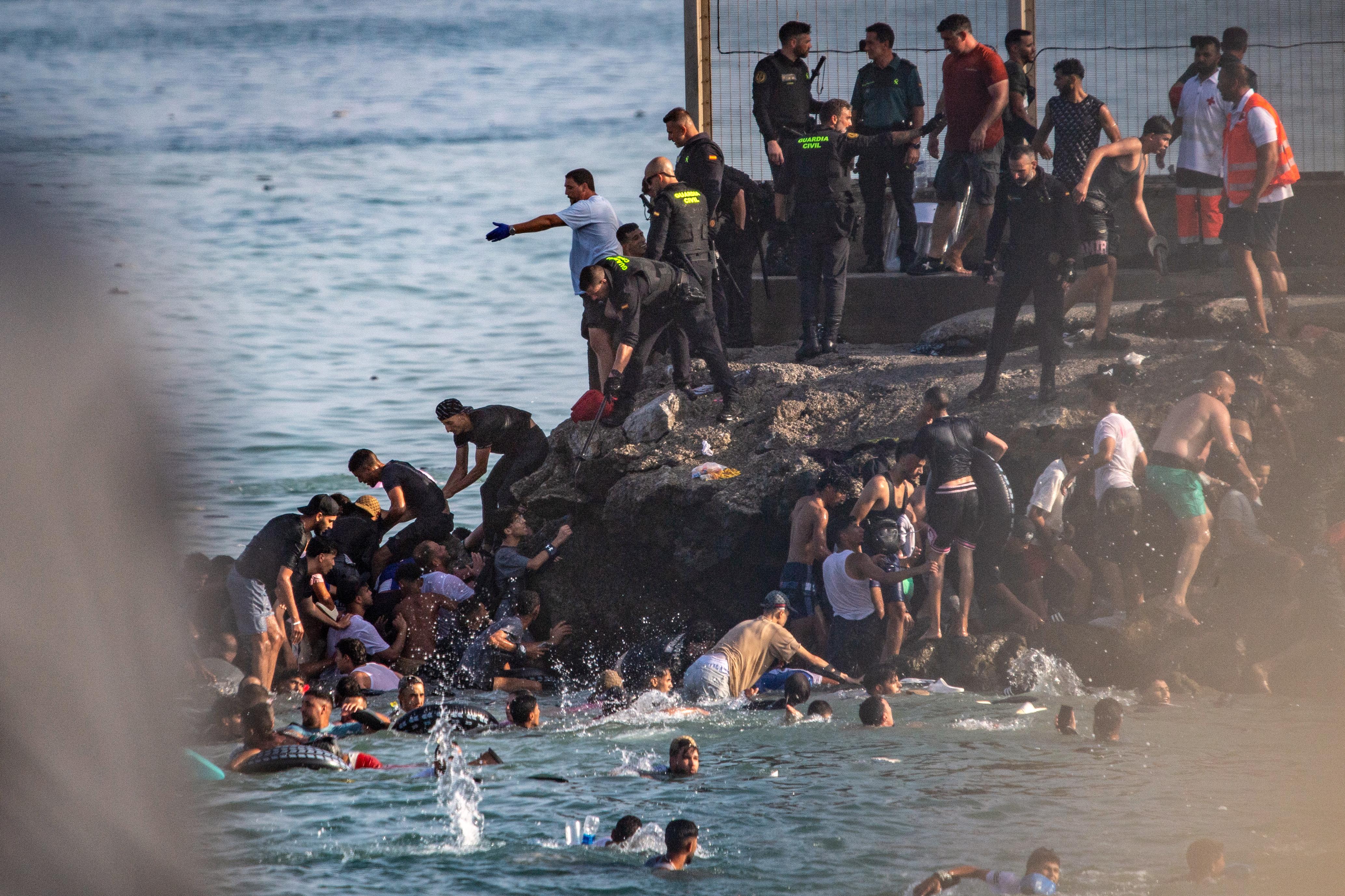
The reason is their decision to cover up part of the message on a T-shirt in support for Ceuta — a small Spanish city located on the north African coast — that players for both Madrid and Elche were supposed to wear before their league game on Tuesday. Ceuta was overwhelmed by a mass crossing of some 80,000 people, mostly from neighboring Morocco, in late July.
Get The Latest News!
Don't miss our top stories and need-to-know news everyday in your inbox.
While Mbappé and Vinícius and teammate Ibrahima Konaté put on the shirts, they wore them rolled up to their chests so that some of the words were obscured. They then removed their shirts before they shook hands with the Elche players and referees ahead of kickoff.
The players did not speak about it after the match, which Madrid won 3-2.
But their gesture has generated an outpouring of comments in Spanish media and social media, with some arguing that the players were showing solidarity with the plight of the migrants while others criticized them for not fully supporting the Spanish citizens of Ceuta. Others blamed the business group which organized the shirt initiative for putting the players on the spot.
Jorge Calabrés, a journalist with the online newspaper El Español, wrote that “I am outraged by Mbappé, Vinícius and Konaté. You are in Real Madrid, not just any club. Support for Ceuta is not a political or religious issue.”
Sports commentator Santiago Segurola backed the players.
“The businessmen behind this are idiots,” Segurola said on Onda Cero radio. “They are completely out of bounds and put the players in an awkward situation, making them position themselves. Now people are holding the players accountable.”
The shirts were made and distributed by a business association representing companies the eastern region of Valencia. La Liga said it approved the gesture in accordance with the standard procedure applicable to any ceremonial gesture before a match. Elche and Madrid also gave their approval.
Madrid said the shirts were to “show support for Ceuta,” which is still struggling to provide for several thousand migrants who remain the city.
The shirts read “Todos somos caballas,” which means in local Ceuta slang “We are all from Ceuta."
Caballa, “mackerel” in Spanish, is used locally to also mean a resident of the Spanish exclave.
Vinícius is used to being at the center of social debates. The Brazilian has been at the heart of fierce debate in Spain about racism in soccer after he was repeatedly targeted with racist slurs by opposing fans.
Mbappé's mother is of Algerian descent, while his father immigrated from Cameroon to France, where the striker was born in Paris.
The night before Madrid visited Elche, the players taking the field for Real Betis’ game at Villarreal also all wore the shirts.
Real Betis forward Abde Ezzalzouli, who plays for Morocco, was harshly criticized by some Moroccan fans on social media when images of him wearing the shirt in support of Ceuta began to circulate.
Abde, who moved with his family to Spain when he was a child, said on social media that he wouldn’t apologize for wearing a shirt that he said had no political aim nor intended to show “disdain for the Moroccan people.”
“It was a shirt with a social message of support for a city and its inhabitants, who, regardless of their nationality, are going through a complicated situation,” he wrote. “I will continue to hold my head high and represent my roots with pride and a sense of sacrifice.”
The Ceuta crisis, during which some 140 people died crossing the frontier via the sea, has become the dominant political talking point in Spain. The far-right and conservative opposition parties are hoping they can leverage it in national elections next year and oust the left-wing, pro-legal migration government.
It has also led many in Spain to question the government’s policy of moving closer to Rabat in recent years, all with the backdrop of the two countries preparing to host the 2030 World Cup along with Portugal.
Ceuta is one of two Spanish territories on the north African coast along with Melilla. Ceuta has been in Spanish possession since 1580. Christians and Muslims, Spanish and Moroccan residents and day workers all live there in relative harmony behind a border fence that many migrants from across Africa attempt to cross or swim around for a better life in Europe.
___
See AP’s full soccer coverage here