
LOME, Togo (AP) — West African laboratory scientists called on governments Friday to strengthen capacity to detect disease outbreaks to avoid another major outbreak, saying health systems across the region are becoming weaker.
The scientists issued their warning in Togo's capital, Lome, where they have gathered this week to discuss the region's level of preparation for disease outbreaks and dependence on vaccines from Western countries.
Get The Latest News!
Don't miss our top stories and need-to-know news everyday in your inbox.
They said governments in the region have to cooperate to strengthen disease detection and invest in diagnostic capacities, citing lessons from Ebola and COVID-19 outbreaks that the region has grappled with in the past decade.
Between 2014 and 2016, an Ebola outbreak killed at least 11,000 people across West Africa, overwhelmingly in Guinea, Liberia and Sierra Leone.
“We need to anticipate these outbreaks,” said Kossi Kabo, the head of the Association of Medical Biologists of Togo and a co-chair of the congress. “We shouldn’t wait for an epidemic to emerge somewhere before responding. By then, it would be too late.”
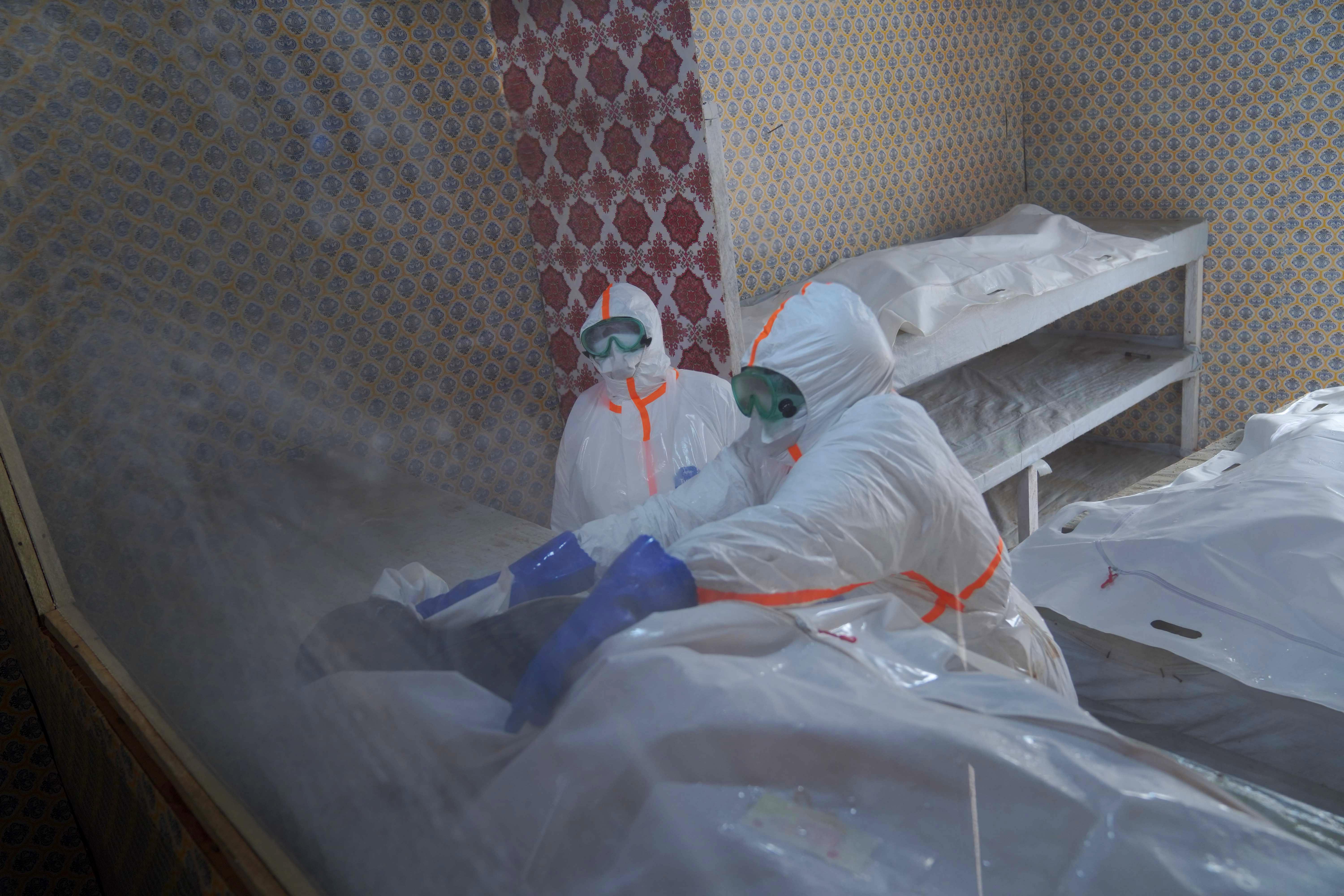
Africa as a whole remains at risk for outbreaks. The rare Bundibugyo virus has killed over 3,600 people among nearly 7,500 cases in Congo since mid-May, when Congolese authorities announced a fresh deadly Ebola outbreak. The Africa Centers for Disease Control and Prevention said the tolls are likely three times the official figures and the outbreak is already history's fastest-spreading Ebola outbreak. The virus spread without detection for several weeks. Also, Hantavirus was detected on a cruise ship that docked in the Atlantic off Cape Verde in May.
Scientists are worried that in the absence of a major outbreak threatening the region, maintenance of the health systems has waned, leaving them unprepared for potential future epidemics.
Arthur Bodurie Calvin Garber, president of the Sierra Leone Association of Medical Laboratory Scientists, said the governments must also invest in people as much as infrastructure.