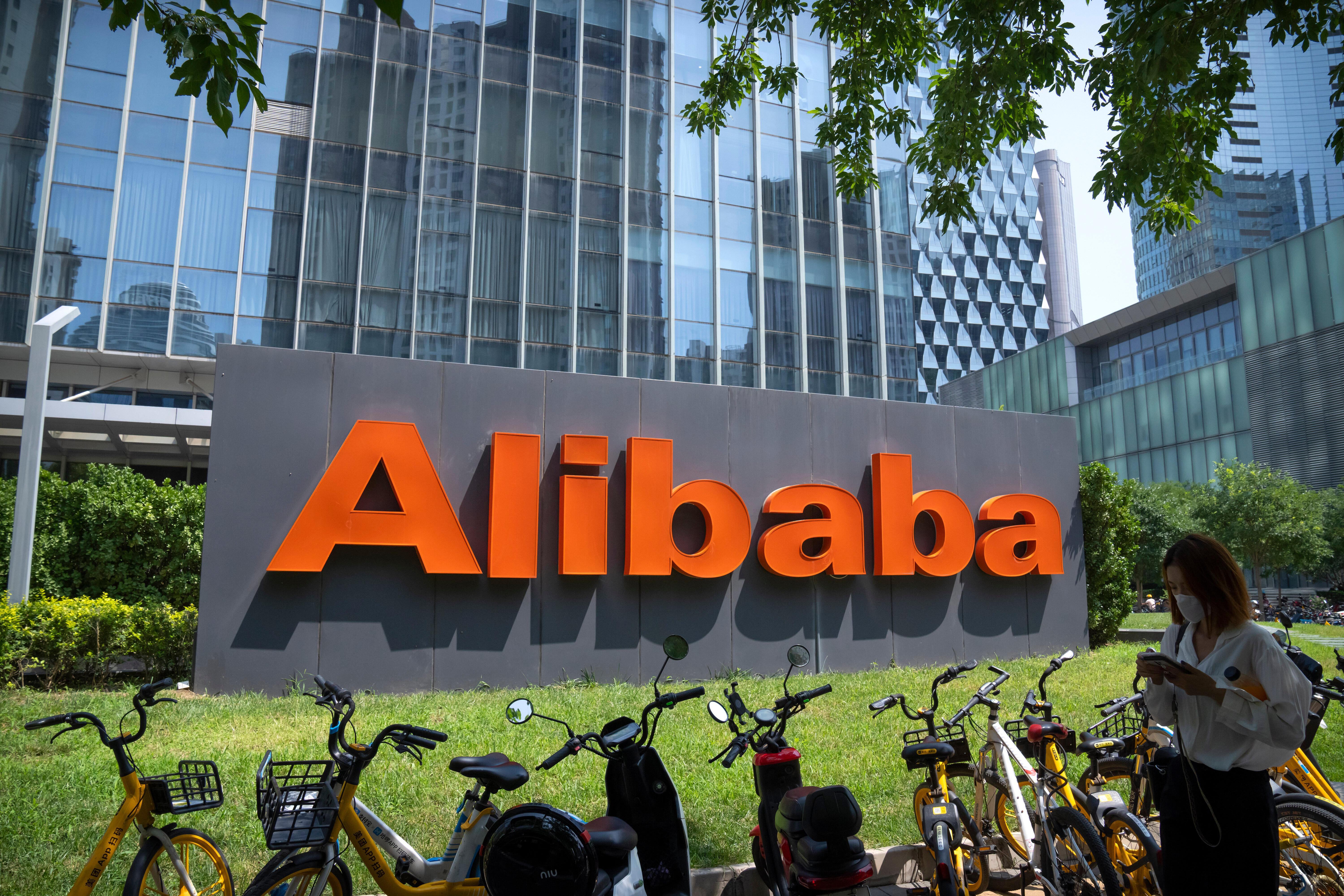
HONG KONG (AP) — China’s Alibaba unveiled new artificial intelligence chip technologies and plans for more powerful models on Tuesday, including what it said was China's most powerful AI chip, days ahead of a meeting between Chinese and U.S. leaders at which competition to lead on AI technology is expected to be a major theme.
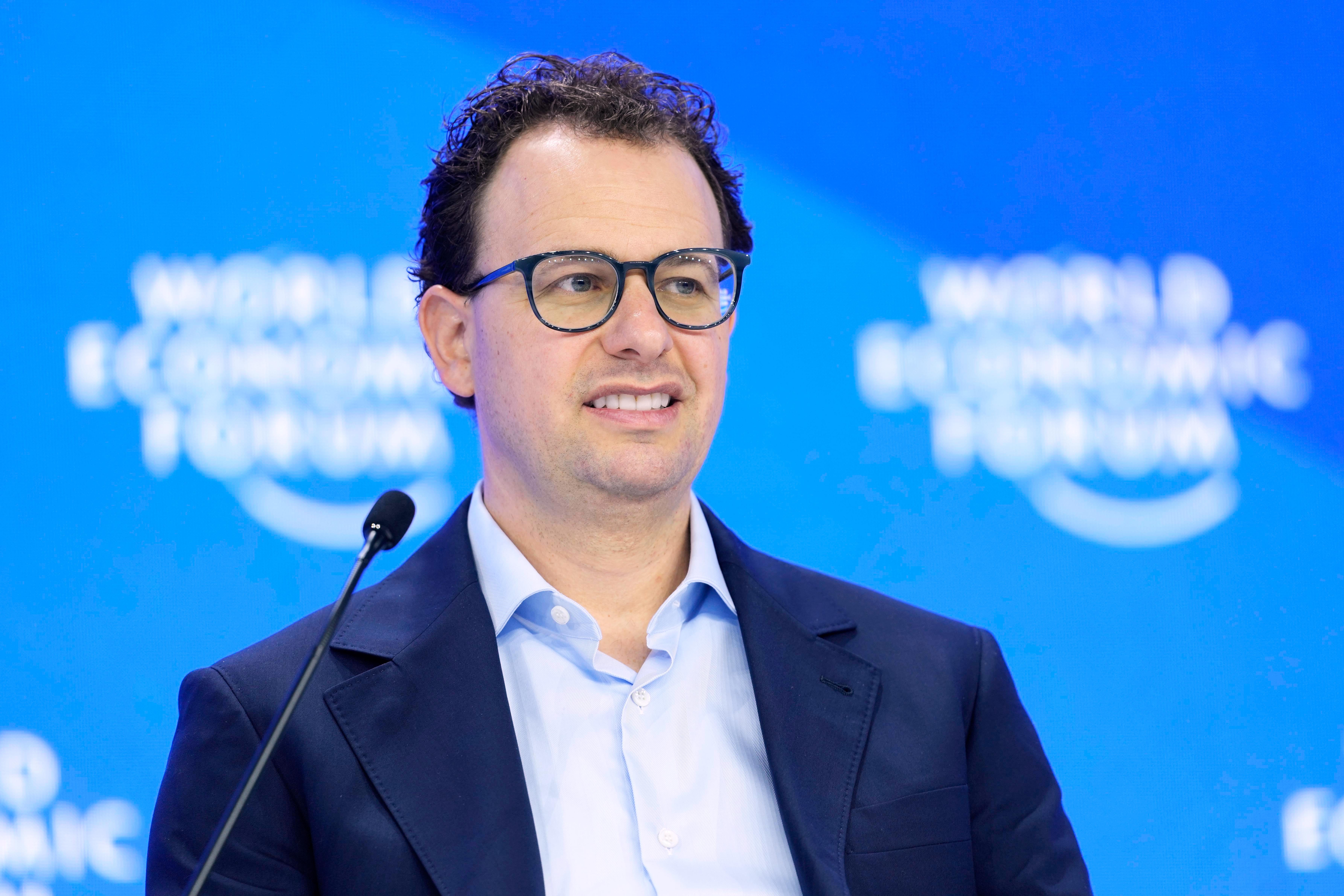
Alibaba’s announcement came as U.S. AI leaders, including Anthropic CEO Dario Amodei, are warning that China's development of AI poses a threat to the United States and calling for an overall slowdown on development of the technology.
Get The Latest News!
Don't miss our top stories and need-to-know news everyday in your inbox.
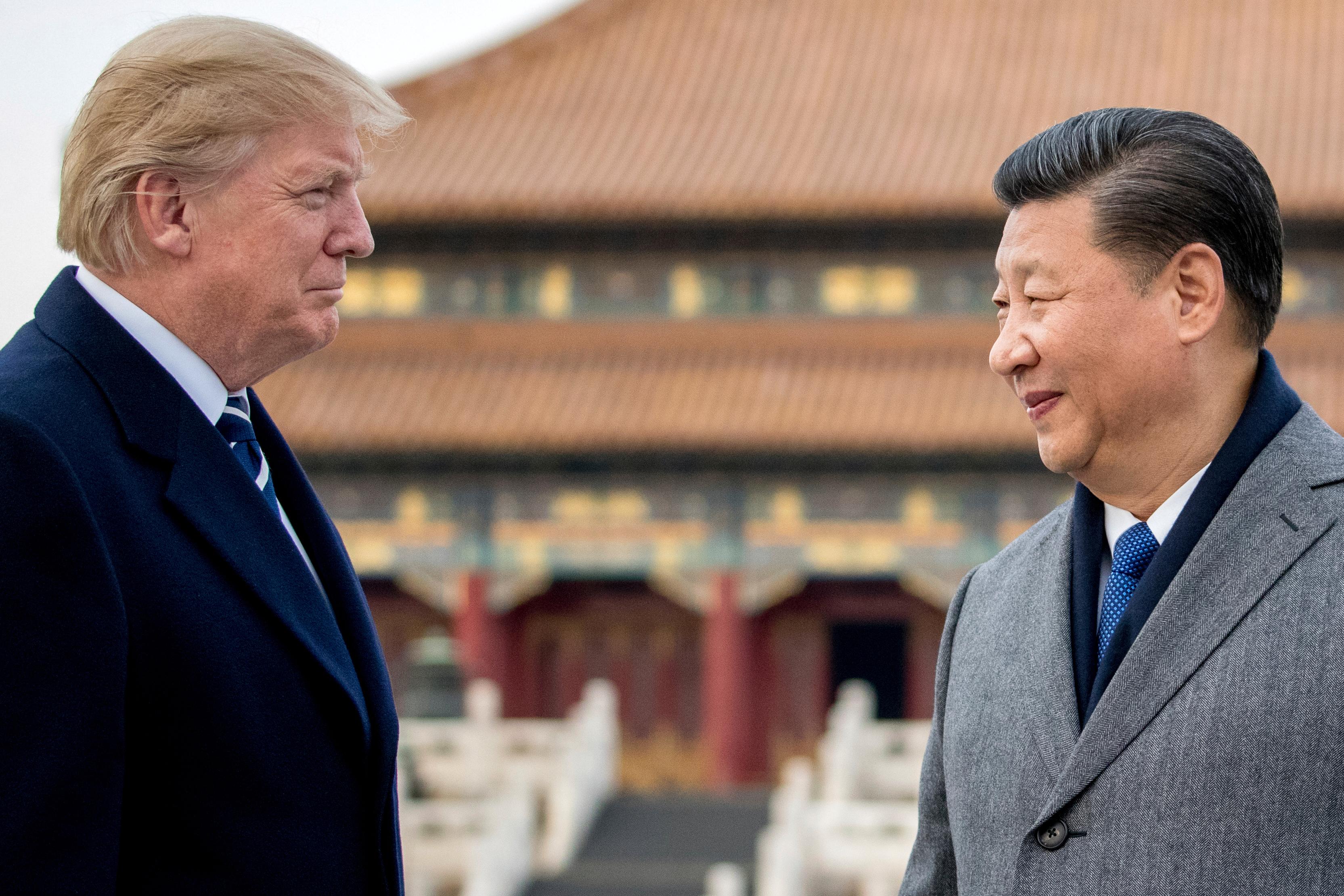
Chinese leader Xi Jinping is set to arrive in Washington on Wednesday for a state visit and meeting with U.S. President Donald Trump, at which AI, trade and tariffs are expected to be discussed.
At its annual flagship conference in Hangzhou, Alibaba rolled out a new AI chip and describes its plans for the next generation of its AI model.
CEO Eddie Wu said the new Zhenwu V900 chip is the “most powerful AI chip in China today” and can deliver three times the performance of the company's previous generation Zhenwu M890 chip.
Such chips power frontier AI model training and “inference,” a term for the calculations a trained AI uses to deliver responses to users. Alibaba's Zhenwu chips are used in its data centers, providing computing to the company and its cloud clients.
Alibaba also said it plans to train a new AI model at the scale of five to 10 trillion parameters, a measure of an AI's learning capacity. Its latest Qwen3.8-Max model, the most powerful of its Qwen AI series models, has 2.4 trillion parameters.
Chinese AI company Moonshot says that its Kimi K3, released in July, is the world's largest open model with 2.8 trillion parameters.
Alibaba also highlighted plans to expand the data centers that power its cloud computing business, citing “exponentially” rising demand for AI computing. The company said it expects to have over 20 gigawatts' worth of computing by 2032.
SpaceX has approximately 1.4 gigawatts of AI computing capacity as of mid-this year and says it aims to reach over 10 gigawatts in 2027.
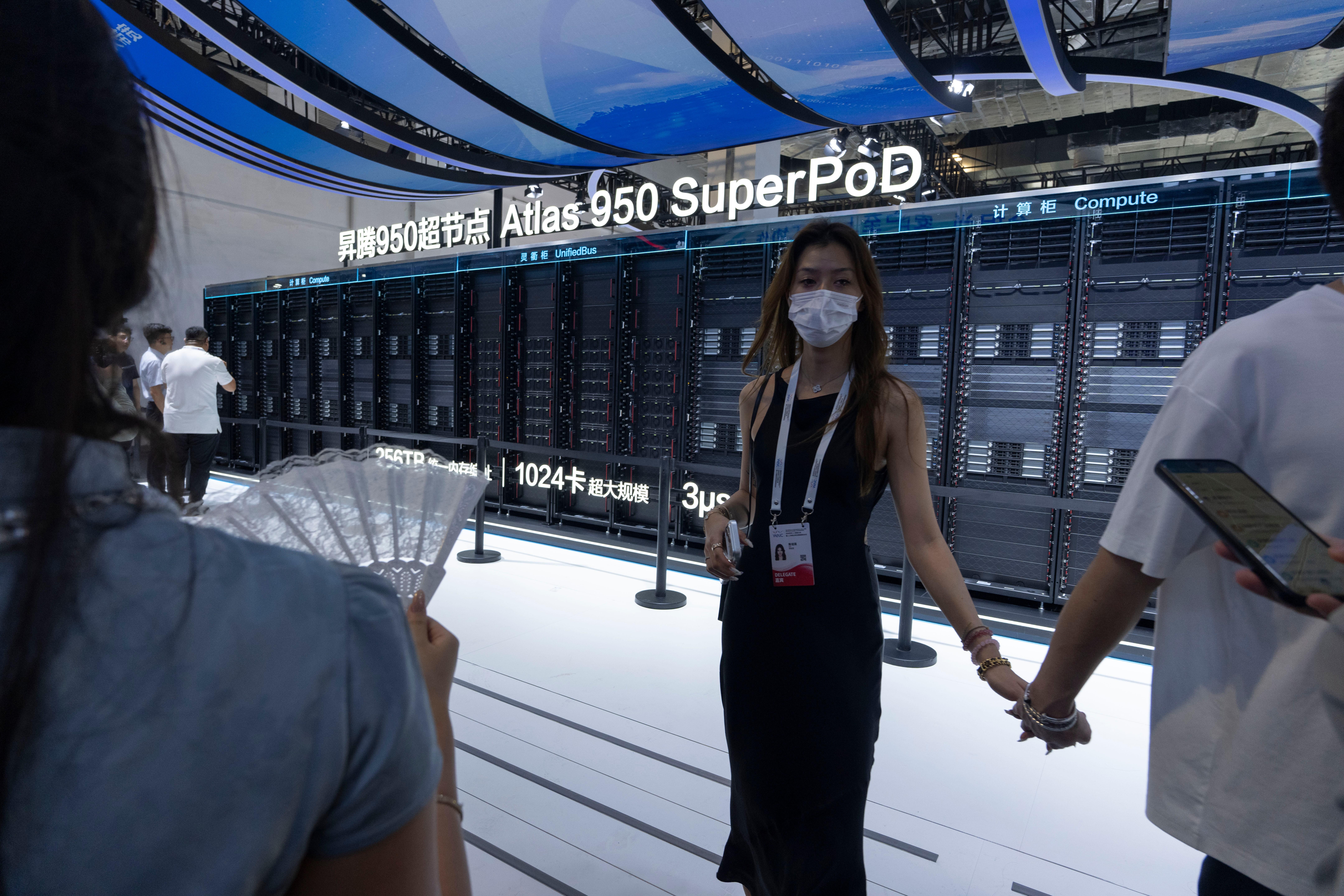
Recent Chinese advancements in AI are giving Beijing more leverage in its upcoming talks with Washington, some analysts believe, as China steps up its self-reliance push even as U.S.-led export restrictions have barred it from accessing some of the world’s most cutting-edge technologies, including AI chips and chipmaking machines.
Open Chinese models, which are often more affordable than cutting-edge closed models from leading U.S. AI labs, have also been making inroads globally, including in the U.S.
Chinese technology giant Huawei last week also unveiled new chip technologies as it looks to challenge global leaders like Nvidia.
Alibaba is “mobilizing every resource” to meet customers’ demand for AI, CEO Wu said in his speech.
Global shortages across the AI data center supply chain, for example, “are currently limiting the speed at which we can scale our compute infrastructure” for AI, he added.
Wu also likened AI growth to the industrial revolution and said “machine intelligence” will rapidly outgrow human thinking capacity.
While “machine intelligence today is not a substitute for human intelligence,” he predicted that, eventually, machines will be able to produce over 1,000 times more “thinking” than all of humanity combined, up from less than 3% currently.