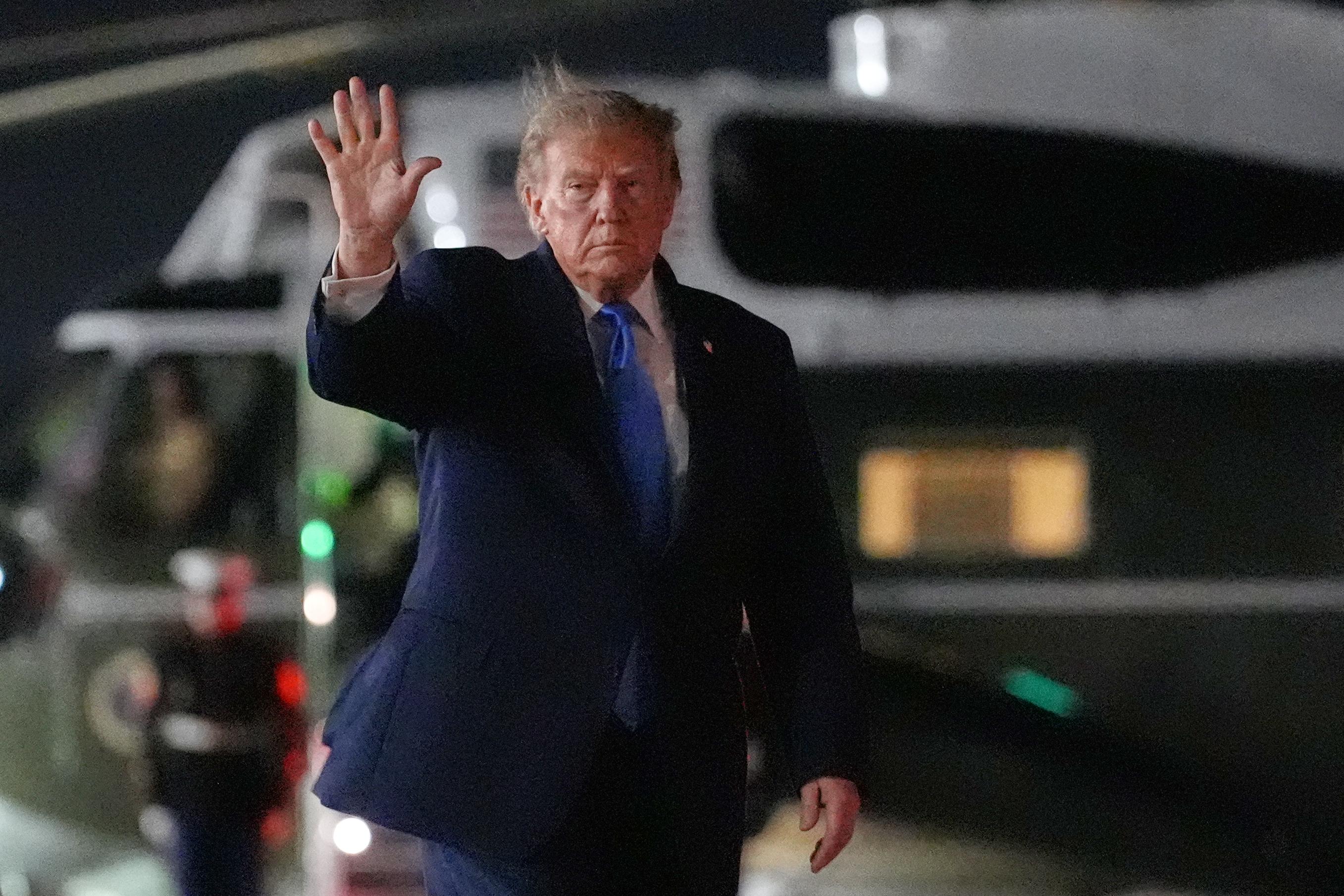
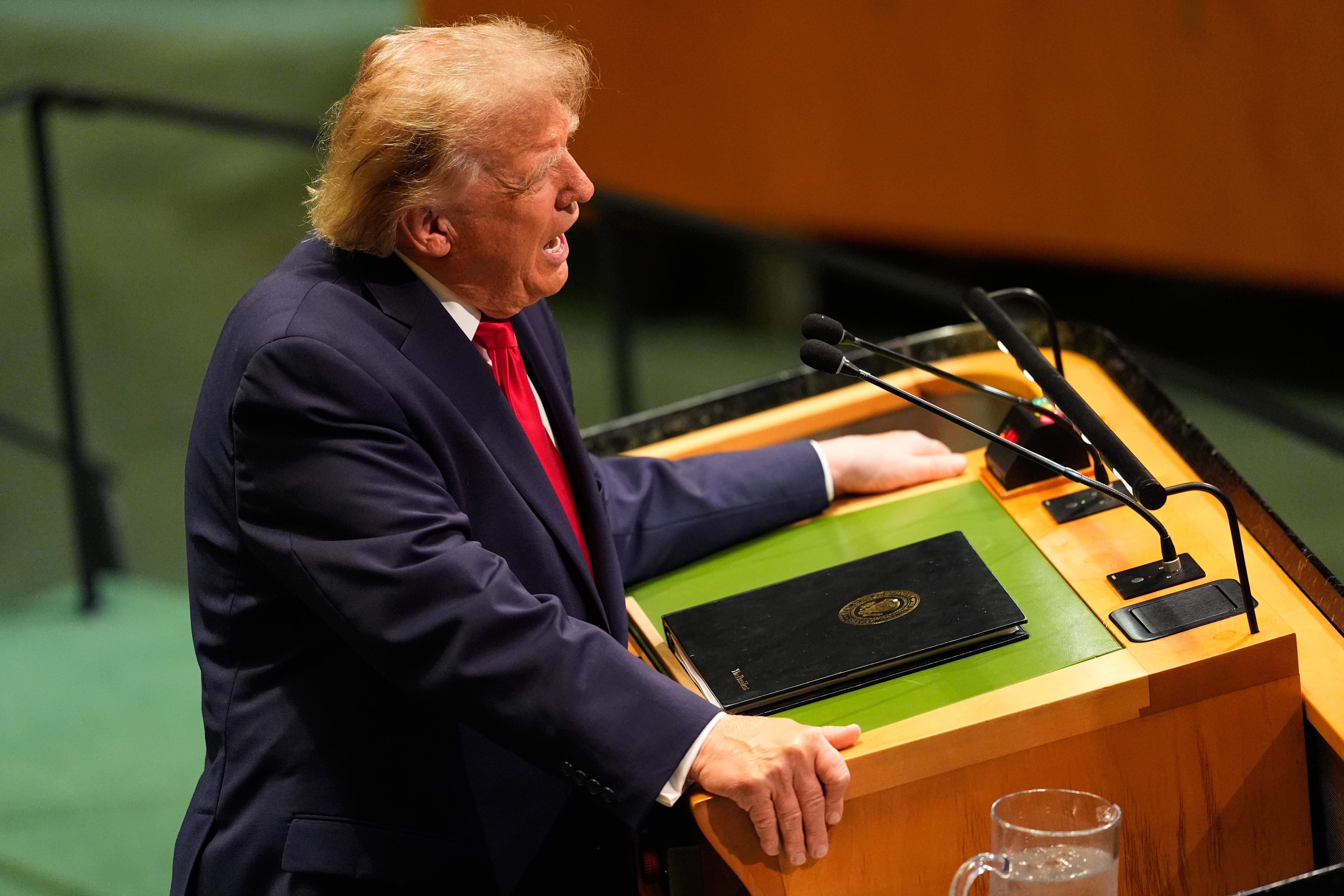
NEW YORK (AP) — A federal judge temporarily blocked President Donald Trump’s ban of three news outlets from the White House grounds, ordering early Thursday that CNN, MS NOW and Politico must have their access restored. Reporters for two of the outlets, however, were denied entry hours after the ruling.
The back-and-forth is the latest in an extraordinary showdown between Trump and media outlets whose coverage he dislikes.
Get The Latest News!
Don't miss our top stories and need-to-know news everyday in your inbox.
Trump first announced he was banning the outlets Friday, assailing what he called “fake news,” and only later arguing that their reporting was a risk to national security. The outlets argued in a joint lawsuit that the ban was a blatant violation of the First Amendment because it singled them out for the content of their coverage.
In his late-night ruling, U.S. District Judge Timothy Kelly ordered the White House to “immediately return, reinstate, and restore” the three outlets’ access. He said they had met the legal thresholds to obtain a temporary restraining order, in effect for 14 days, and were likely to succeed in showing that their press passes were revoked without due process.
“This is a high bar, but Plaintiffs have met it,” he wrote.
Kelly — whom Trump nominated in 2017 and who ordered a CNN journalist’s access restored in a similar case in 2018 — said the government must have clear standards for conduct that would lead to revoking a press pass. He called the standard of objectionable reporting outlined in letters that the White House sent the outlets “so vague it hardly does the trick.”
The judge also made clear he did not buy the administration’s argument that the news outlets’ reporting endangered national security — and noted that Trump himself had not used that argument in the beginning, focusing solely on what he called negative coverage.
“Nothing in the record ... suggests that the revocation of Plaintiffs’ hard passes was motivated by national security concerns,” he wrote.
The ruling came after Kelly heard arguments in an emergency hearing Wednesday. Temporary restraining orders are typically designed to preserve the status quo pending a closer review of the case by the court.
“This is a strong ruling vindicating freedom of the press, due process and the rule of law," Theodore Boutrous Jr., attorney for the outlets, said in an emailed statement. "We greatly appreciate the court’s swift action.”
But a few hours after the ruling, a CNN reporter said she was denied entry to the White House compound. Politico said one of its reporters was also blocked.
The White House did not immediately respond to an email from The Associated Press requesting comment.
Boutrous argued in the hearing that there was an urgent need for renewed access, saying that the ban caused irreparable harm to the outlets at a time of momentous news events. “We’re at war. We have world leaders coming to Washington.”
Justice Department attorney Michael Velchik, in his argument, reiterated the administration’s point that the president has the right to choose who gets into the White House.
“Access to the White House is a privilege, not a right,” Velchik said.
In arguing that Trump was not engaging in viewpoint discrimination — the government singling out specific media outlets for the content of what they say or publish — Velchik said the president had criticized other news organizations, but not banned them. He noted, for example, that Trump had called ABC “the worst."
He added: “The president should be able to take immediate action to protect national security."
In response, Boutrous said, “Suddenly it’s a national security case,” arguing that the president brought up that point only after the lawsuit was filed.
Trump “keeps proving our point,” Boutrous said, describing how the president has consistently used negative coverage of him as justification for the ban.
Kelly seemed to agree, writing of the national security claim: “Certainly, that is not what President Trump said when he announced that he was ‘banning’ Plaintiffs from the White House — instead, he focused on the alleged lack of truthfulness and negativity of Plaintiffs’ reporting.”
In a filing Tuesday, administration lawyers detailed letters sent to each of the three news outlets that identified “a non-exhaustive list of reporting incidents, including those that have threatened national security and spread falsehoods.”
Among the incidents cited were: CNN reporting on “‘top-secret’ construction details related to the East Wing bunker”; MS NOW reporting “on an alleged leak investigation”; and Politico publishing “a document detailing funding for the White House ballroom containing intricate descriptions of how the Secret Service would invest in security improvements.”
Politico’s letter also included an incident in June of a report in which a “senior administration official … granted anonymity” predicted whether a preliminary deal would end the conflict with Iran.
That item appeared to reference a background briefing set up by the White House, where an official briefed reporters on condition of anonymity under ground rules set by the administration itself. Several other outlets also reported the official’s remarks.
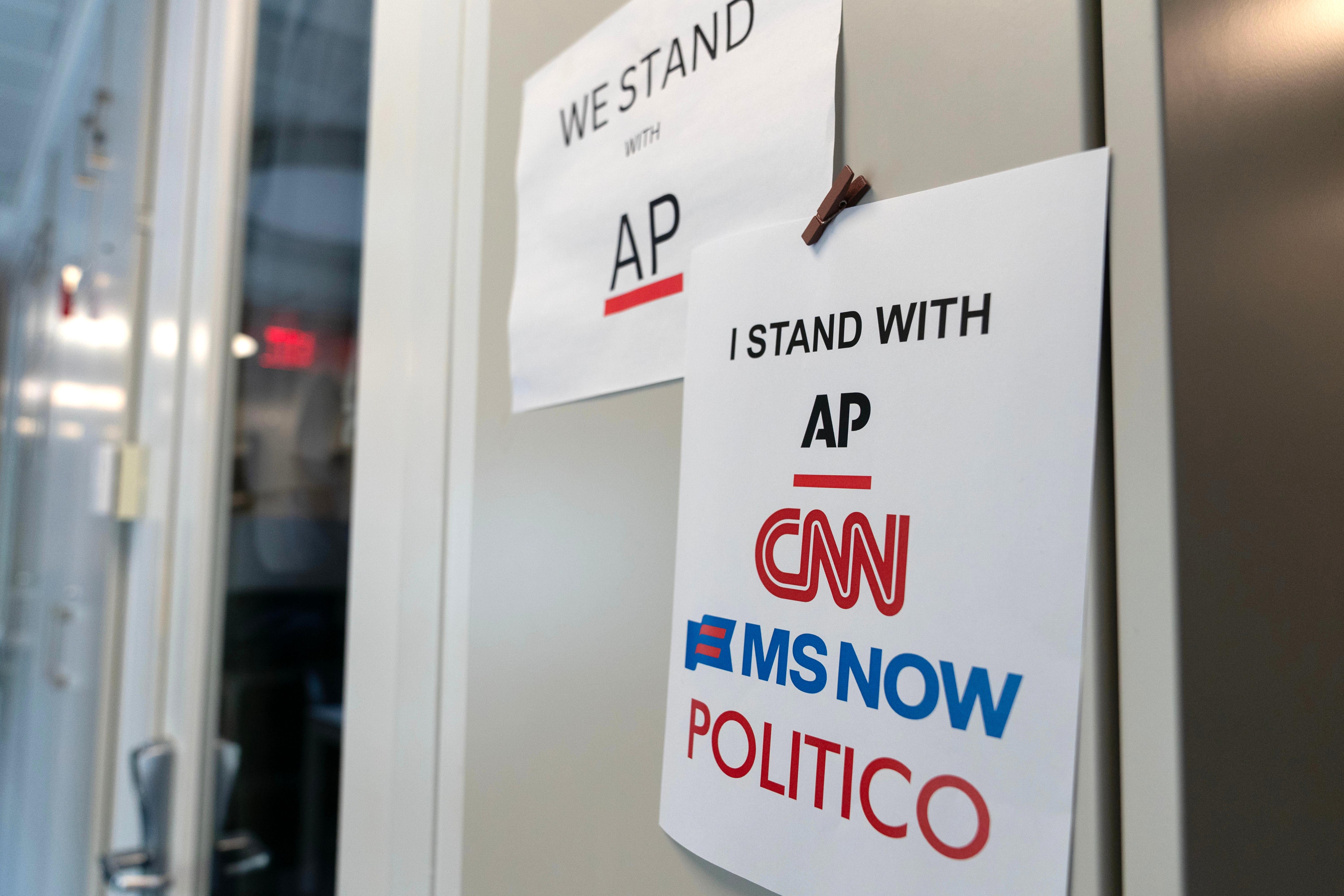
The ban prompted other media outlets to take action in solidarity. The U.S. network press pool — consisting of the five major networks, including CNN — has suspended coverage of Trump pool events pending further notice.
The ruling did not address that rotating pool.
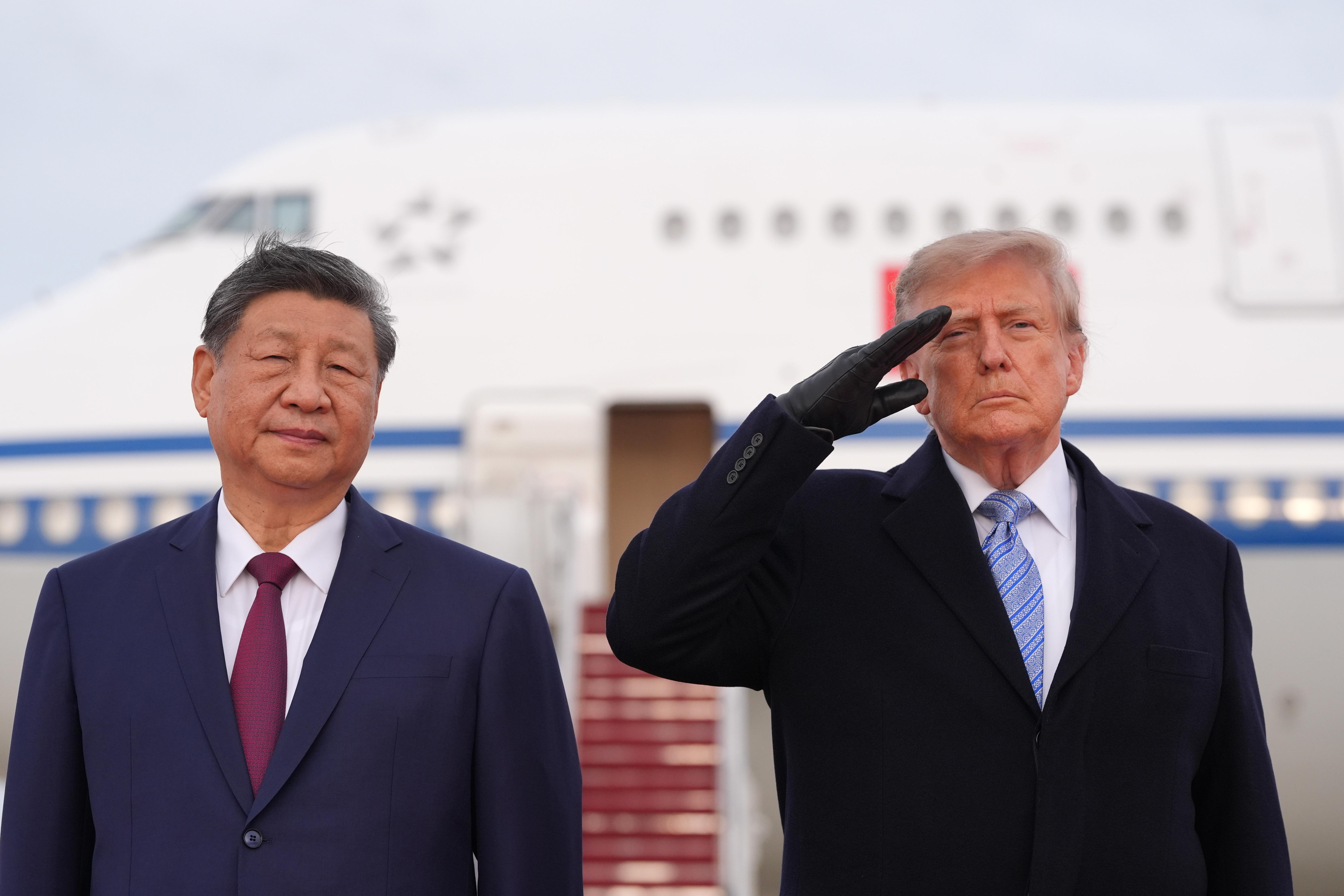
After the hearing Wednesday, the networks continued their ban on Trump coverage. At Joint Base Andrews, where the president formally welcomed Chinese President Xi Jinping, journalists from Fox News, CBS and NBC were present but not shooting video.
Other television outlets whose crews were present, according to signs on their tripods and cameras, were NewsNation, Newsmax, Right Side Broadcasting Network, One America News and LindellTV.
Ahead of Wednesday’s hearing, an amicus brief was filed by other news groups, including The AP, urging the court to immediately restore the three outlets’ White House access.
___
Golden reported from Seattle and Kellman from London.