
MANJUNG, Malaysia (AP) — Malaysia began repatriating Myanmar nationals under a voluntary program despite warnings from the United Nations refugee agency and rights groups that conditions in the country remain unsafe for them.
The 1,476 people who began the trip Tuesday are among 5,000 Myanmar nationals who will be repatriated in stages from Malaysia, where 10,388 Myanmar nationals were being held at immigration detention depots nationwide as of Aug. 15, according to Malaysia’s Home Ministry.
Get The Latest News!
Don't miss our top stories and need-to-know news everyday in your inbox.
A ministry official confirmed the repatriation was taking place Tuesday. Buses believed to be carrying Myanmar returnees arrived at a stadium in Manjung town in Malaysia’s central Perak state, where there was tight security. Ships believed to be from Myanmar were docked at the nearby Lumut naval base.
Those in the first group agreed to return in a process that will be carried out safely using two Myanmar navy warships and a hospital ship, the ministry said. Details of their identities and circumstances were not immediately available.
Myanmar is involved in an armed conflict and political instability following the military’s seizure of power in 2021.
The United Nations High Commissioner for Refugees and rights groups have urged caution over the return program, saying the security and humanitarian situation in parts of Myanmar remain volatile and the people involved could face serious risks.
Malaysia is home to about 215,600 refugees and asylum seekers registered with the UNHCR, including about 126,000 minority Muslim Rohingya who make up one of Southeast Asia’s largest refugee communities. Despite hosting them, Malaysia is not a party to the U.N. Refugee Convention and treats refugees as undocumented migrants.
Rohingya have experienced decades of discrimination and persecution in Myanmar as authorities largely denied them citizenship and rejected their recognition as an ethnic group. They also have faced growing public hostility in Malaysia, fueled by concerns over jobs, public services, security and the size of the refugee population, as well as misinformation and inflammatory rhetoric on social media.
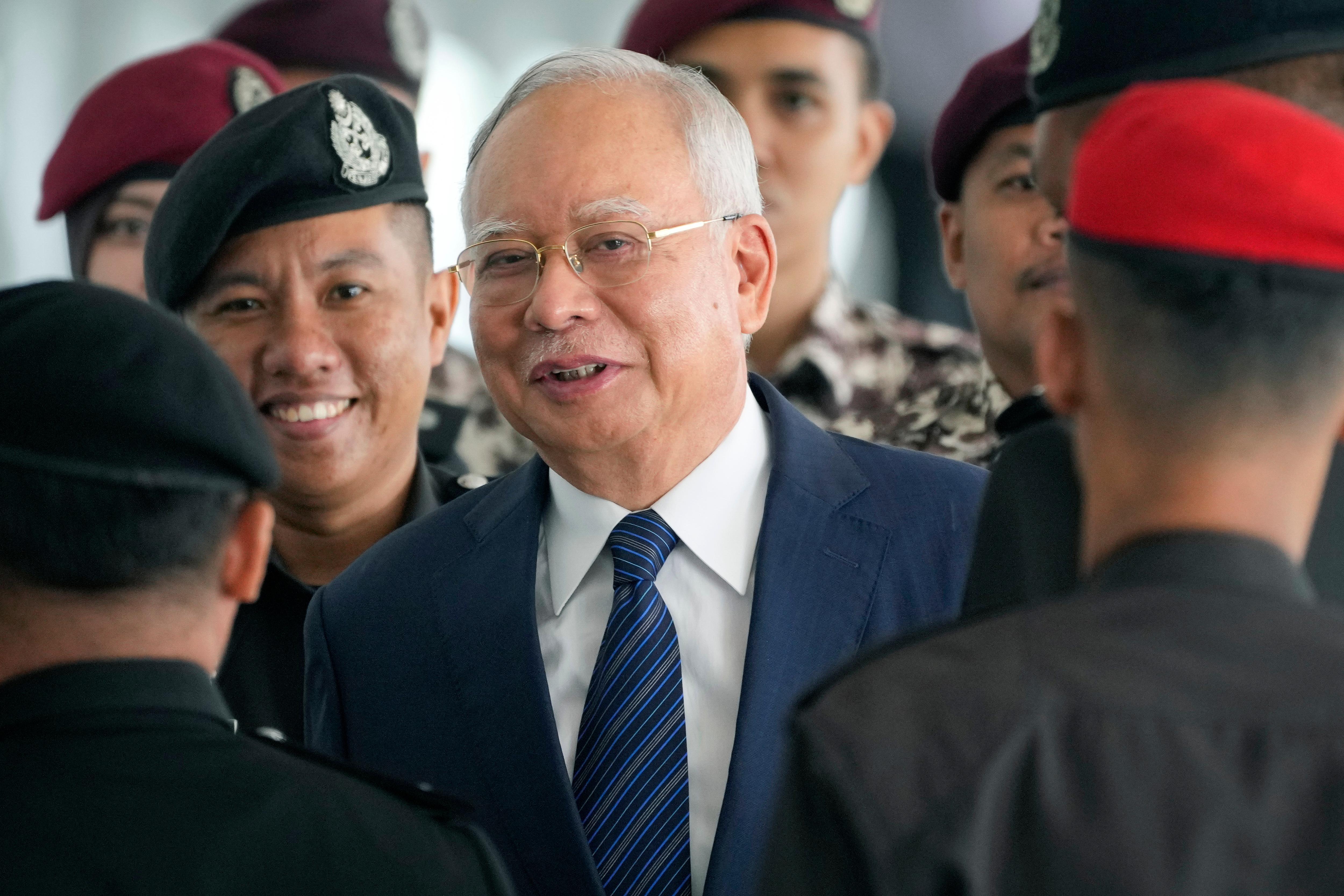
Malaysia Prime Minister Anwar Ibrahim has defended the repatriation policy as a diplomatic effort to find a long-term solution, saying Malaysia cannot host refugees indefinitely and Myanmar must take responsibility for its citizens.
Anwar said he plans to invite Myanmar leader Min Aung Hlaing to Malaysia to discuss the long-running refugee and undocumented migrant issue that has dragged on for decades.
“I am inviting him to say that we can be friends and trade, we can accept Myanmar, but Myanmar must accept them back,” he said in a podcast posted online Sept. 16. “To me, that’s better diplomacy than just shouting angrily at Myanmar.”
Myanmar Foreign Ministry official Han Win Aung has said the plan follows repatriation operations in 2021 and 2022, when Myanmar received more than 1,100 of its nationals stranded in Malaysia.
The repatriation involves genuine citizens and is not about bringing back the Rohingya people, he said.