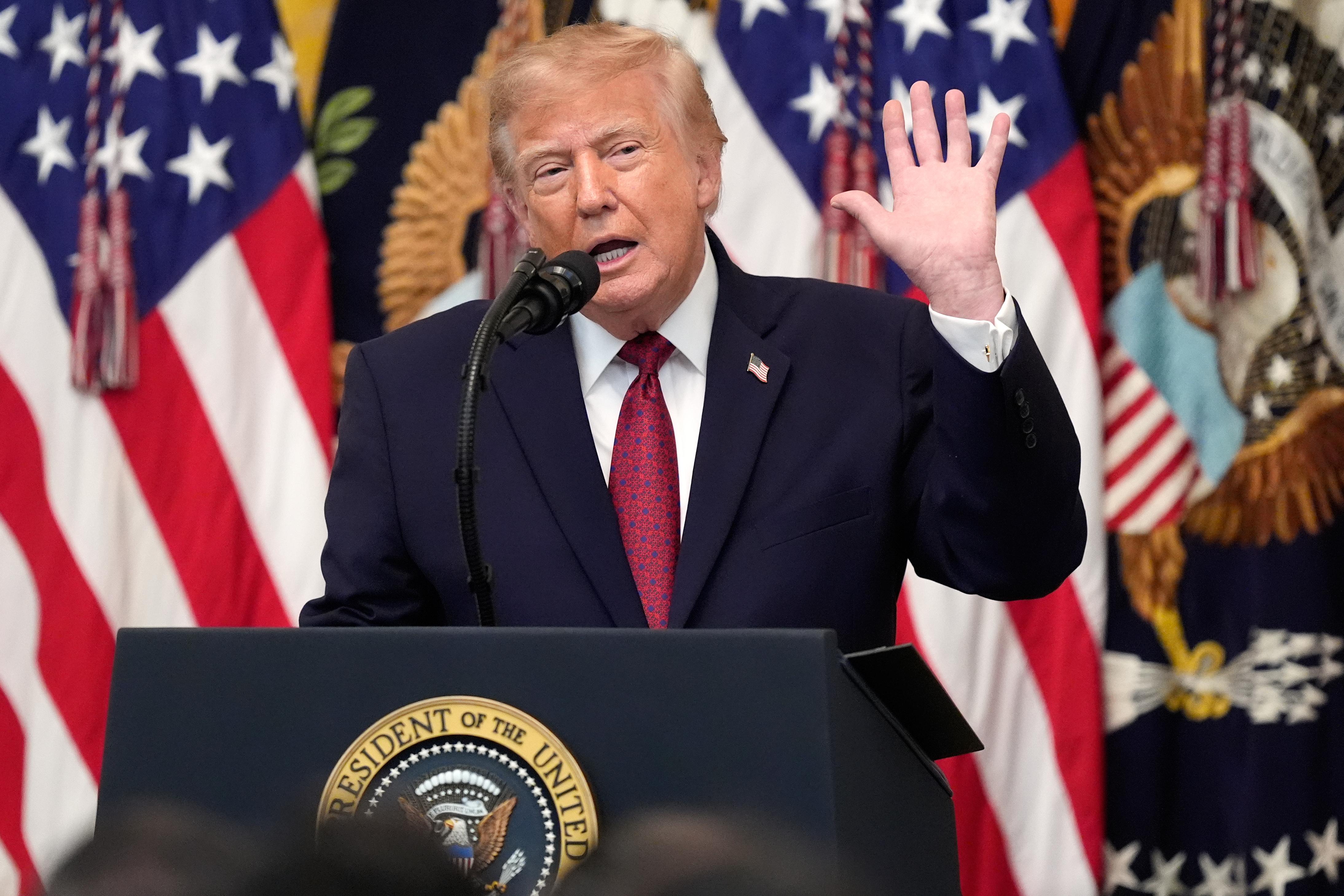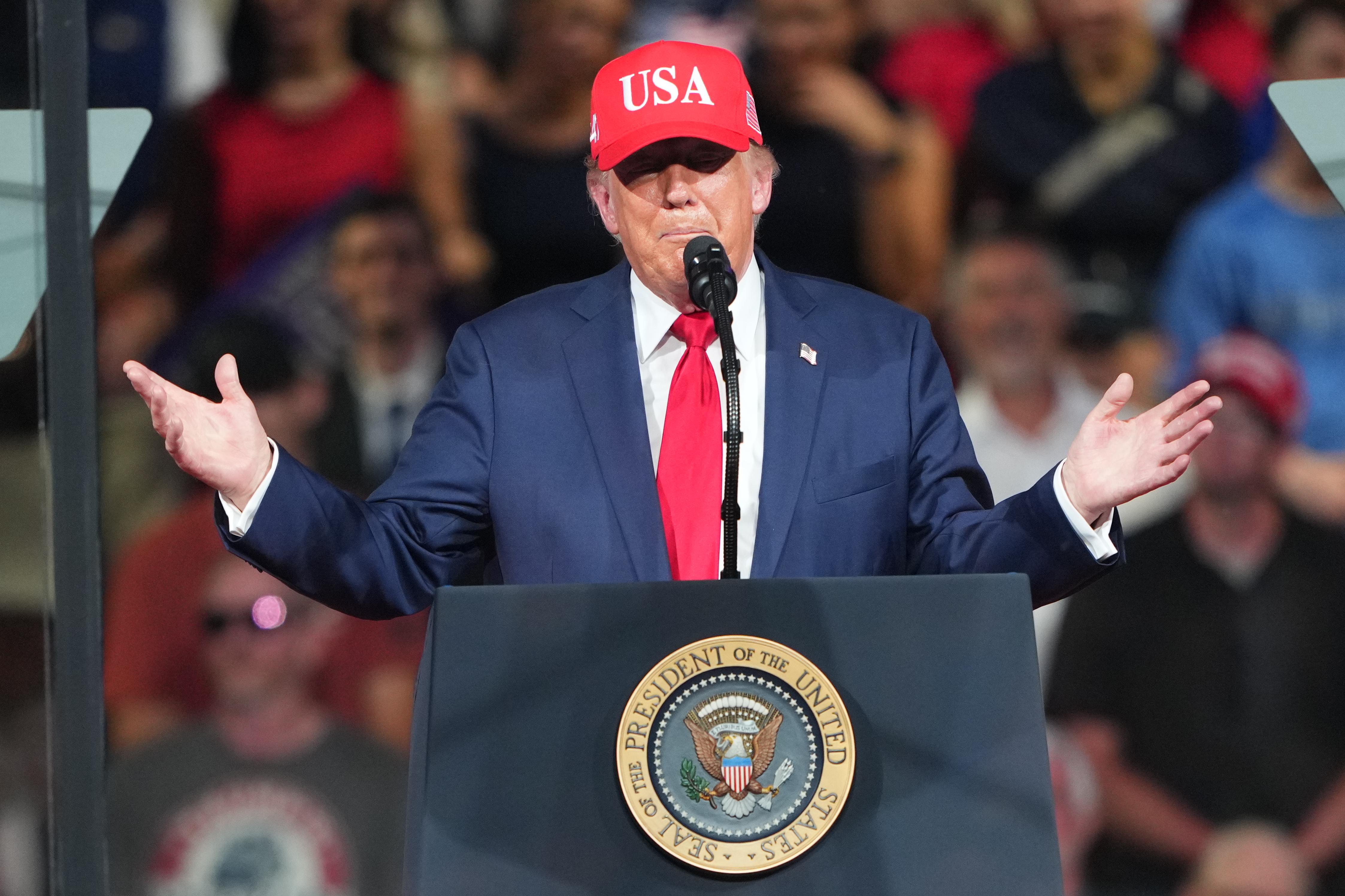

President Donald Trump is back on the campaign trail as he seeks to shore up lagging enthusiasm in his party ahead of next month’s midterm elections.
On Friday, he’ll attend a rally in Alabama, then travel to Ohio on Saturday. He could have his work cut out for him: Just 26% of U.S. adults approve of his handling of the economy overall, marking a new low, according to a new poll from The Associated Press-NORC Center for Public Affairs Research.
Get The Latest News!
Don't miss our top stories and need-to-know news everyday in your inbox.
Trump’s immigration policies, meanwhile, are finding renewed attention in the Supreme Court, which agreed Thursday to review his administration’s denial of bond hearings for immigrants during its sweeping crackdown. The justices will consider whether immigrants who've been living in the U.S. have a right to a hearing to determine if they should remain detained while challenging their possible deportation.
Here's the latest:
Households in the contiguous United States will pay thousands of dollars more for energy through 2040 because of federal policy changes since Trump returned to office, according to modeling released Friday by a nonpartisan think tank.
The Energy Innovation analysis found that households will pay an average of $6,500 more for energy, cumulatively through 2040. In five states, households will pay roughly $9,000 more: Oregon, Mississippi, South Dakota, Virginia and Wyoming.
The California-based think tank says there’ll be more demand for natural gas for electricity because the administration is canceling new clean energy projects and there’ll be more demand for gasoline for transportation because Trump and Congress are revoking policies that encouraged or created incentives for more efficient and lower-emissions vehicles. Higher demand drives prices up.
With early voting already underway, a question worrying some voters is what role — if any — immigration enforcement officers might have at polling places through Election Day.
Department of Homeland Security officials say they don’t plan to send immigration enforcement officers en masse to patrol the polls and dismissed concerns that they plan to do so as “fearmongering.” Election legal experts say federal law clearly prevents the government from deploying any armed troops, agents or officers to election sites except to “repel armed enemies of the United States,” a high bar to clear.
But organizations who represent Latino, Black and Asian American voters say the rhetoric and ICE’s own activity make them worried at a time the number of immigration arrests is soaring as President Trump carries out his mass deportation agenda.
John Evich, a commercial fisherman in Washington and Alaska, has voted for President Donald Trump three times, viewing him as someone who would fight for his industry.
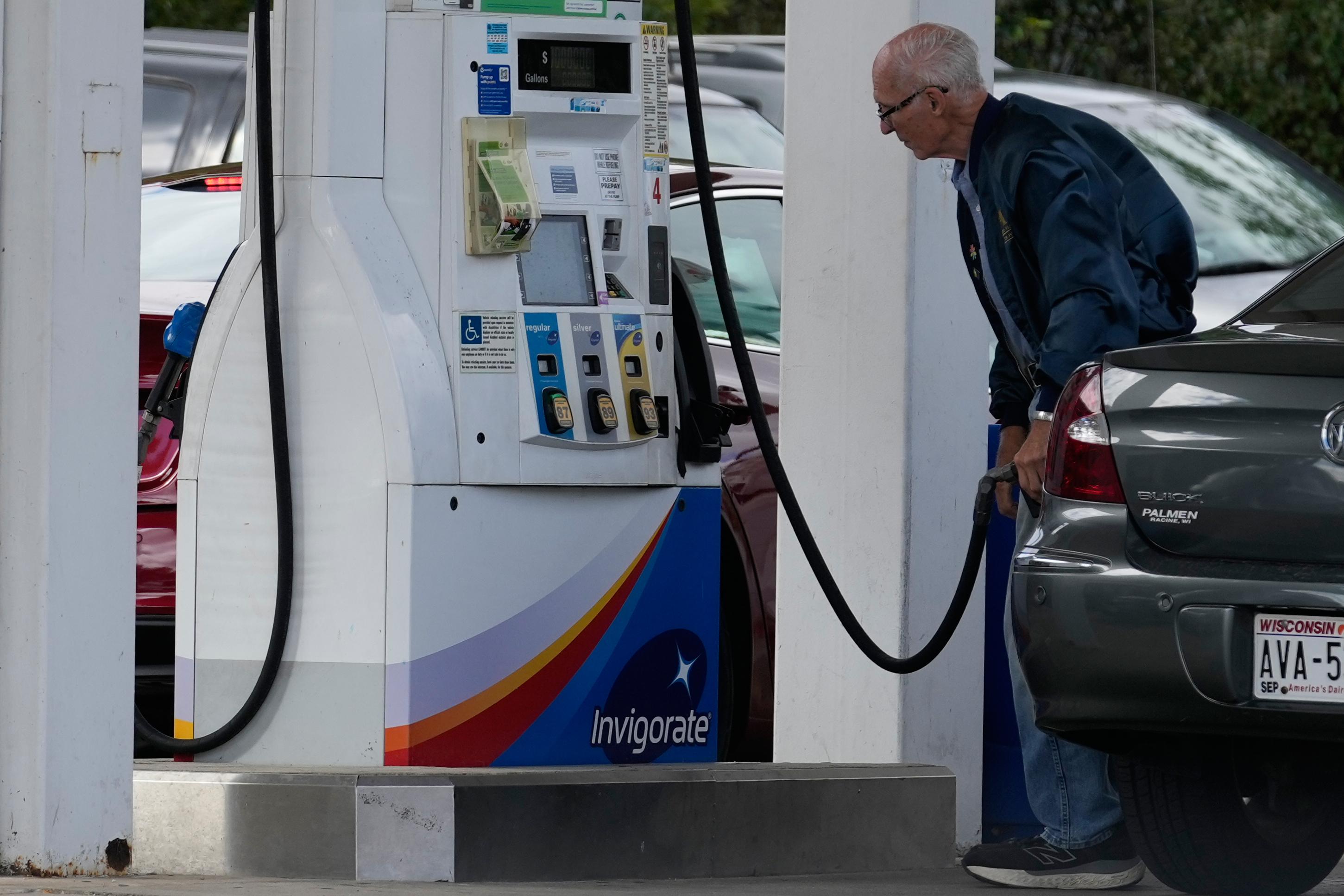
But these days, Evich is weary of the high cost of doing business at sea, with fuel prices rising and trade hostilities with Canada jeopardizing markets for the crabs that he pulls off the ocean floor.
“If somebody came along that was going to do a better job, I would vote for them in a heartbeat,” he said.
Evich’s sentiment, echoed throughout the U.S. seafood industry, is another piece of a political puzzle that’s working against Trump in the midterm elections. Dissatisfaction among commercial fishermen could cause collateral damage for Republicans in competitive races in Washington, Alaska and Maine.
President Donald Trump is back on the campaign trail as he seeks to shore up lagging enthusiasm in his party ahead of next month’s midterm elections.
He could have their work cut out for him, though.
A new poll from The Associated Press-NORC Center for Public Affairs Research finds that only 17% of U.S. adults approve of Trump’s handling of the cost of living. Just 26% approve of his handling of the economy overall, marking a new low.
Republicans have expressed growing pessimism about their chances in the election, which will determine control of Congress, as the president has repeatedly dismissed concerns about high costs and gas prices as his unpopular war in Iran drags on.
According to Trump, his party has merely done a poor job of public relations in promoting his administration’s accomplishments.
“Maybe we’re doing a bad job selling it,” Trump said while campaigning in Texas.