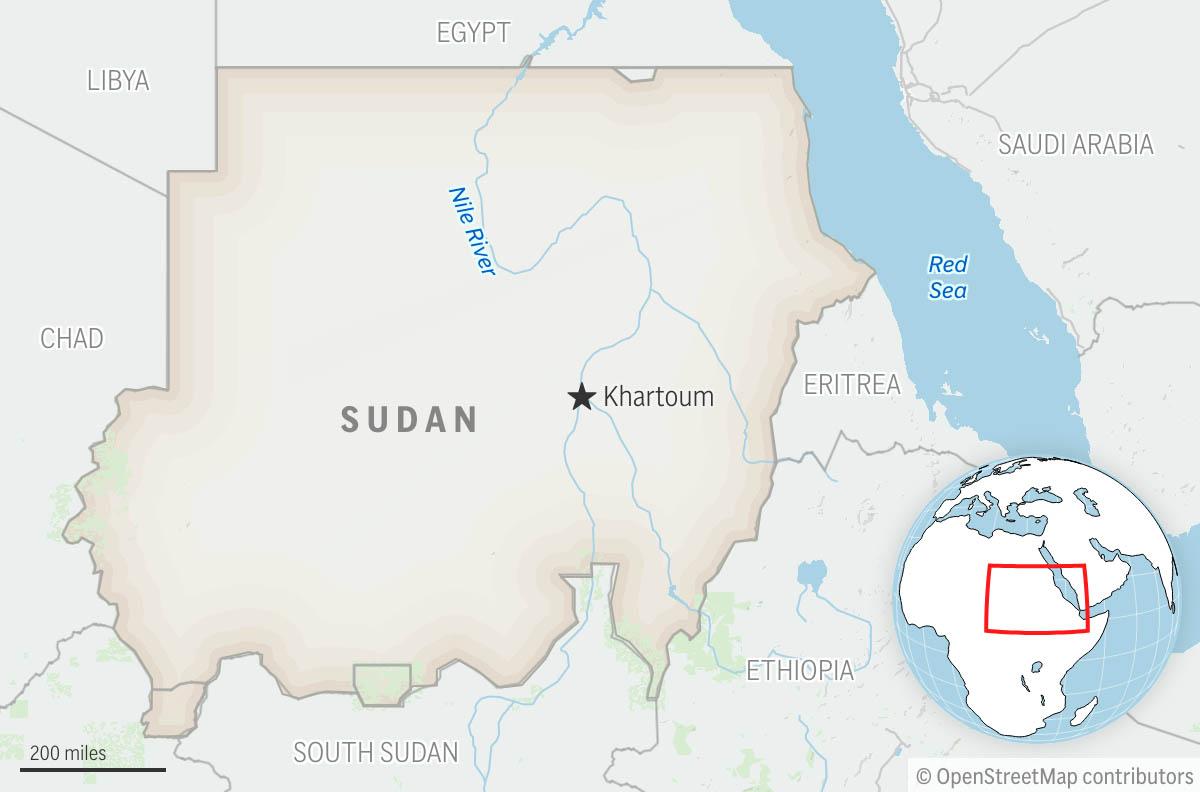

CAIRO (AP) — Conflict and drought are worsening food insecurity across parts of Sudan’s Darfur and Kordofan regions, a global food crisis monitor warned on Monday.
There is a “deteriorating humanitarian situation” across greater Darfur and Kordofan, including areas identified as at risk of famine, as well as other locations, according to the Integrated Food Security Phase Classification, or IPC.
Get The Latest News!
Don't miss our top stories and need-to-know news everyday in your inbox.
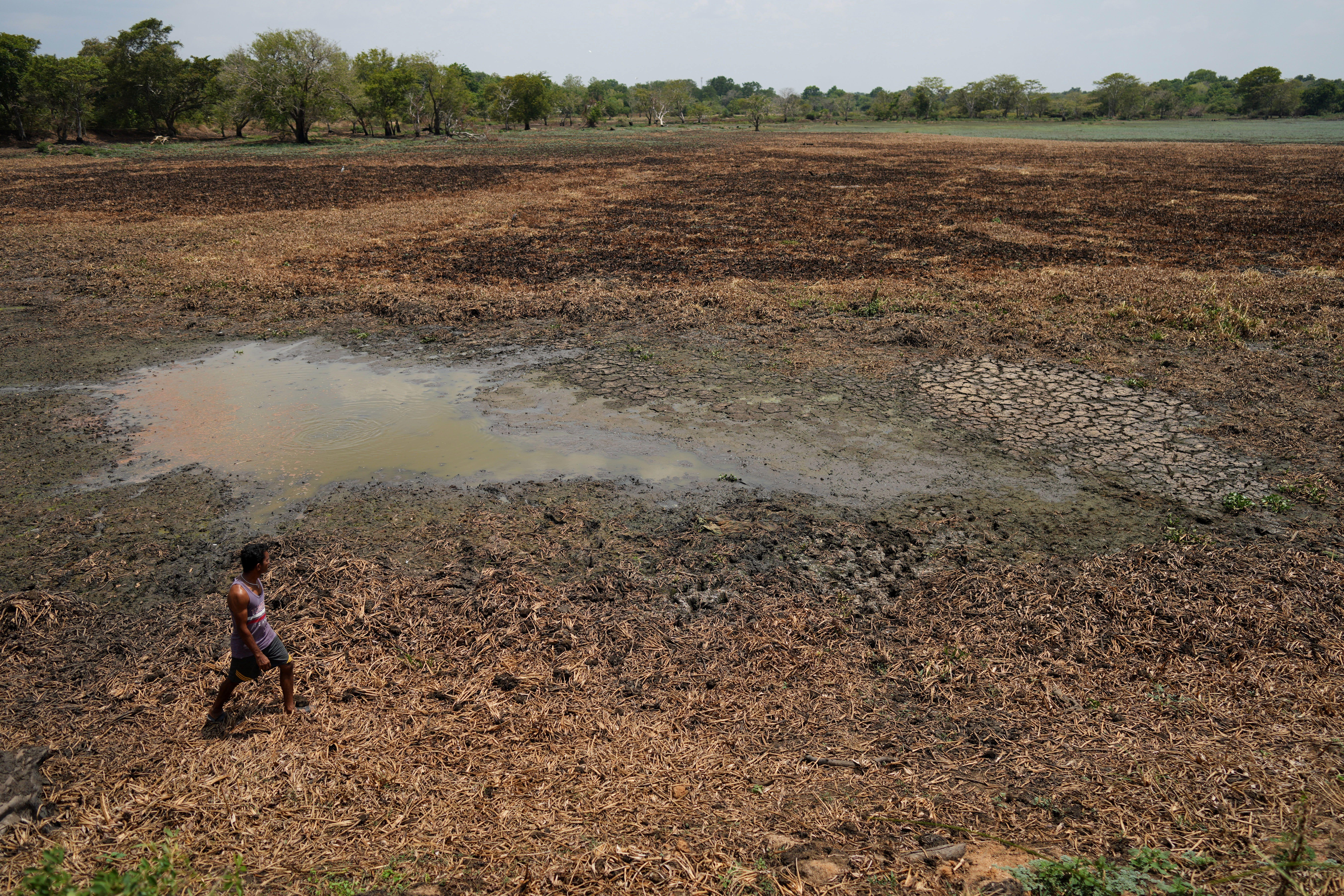
Severe drought linked to El Niño is affecting more than half of Sudan, causing localized crop failures and depriving households of food and income, it said.
In May, nearly 19.5 million people — more than 40% of the population — were facing high levels of acute food insecurity, according to an IPC assessment. Of those, 135,000 were in Phase 5, the most severe classification, characterized by extreme food shortages, starvation, very high levels of malnutrition and deaths from disease or acute malnutrition.
Sudan’s war erupted in April 2023 when tensions between the military and the paramilitary Rapid Support Forces, or RSF, escalated into open fighting in the capital, Khartoum, before spreading across the country. The conflict has killed at least 150,000 people, according to conflict monitor ACLED, though aid groups say the true toll is likely higher.
The war has also displaced about 13 million people and pushed parts of the country into famine.
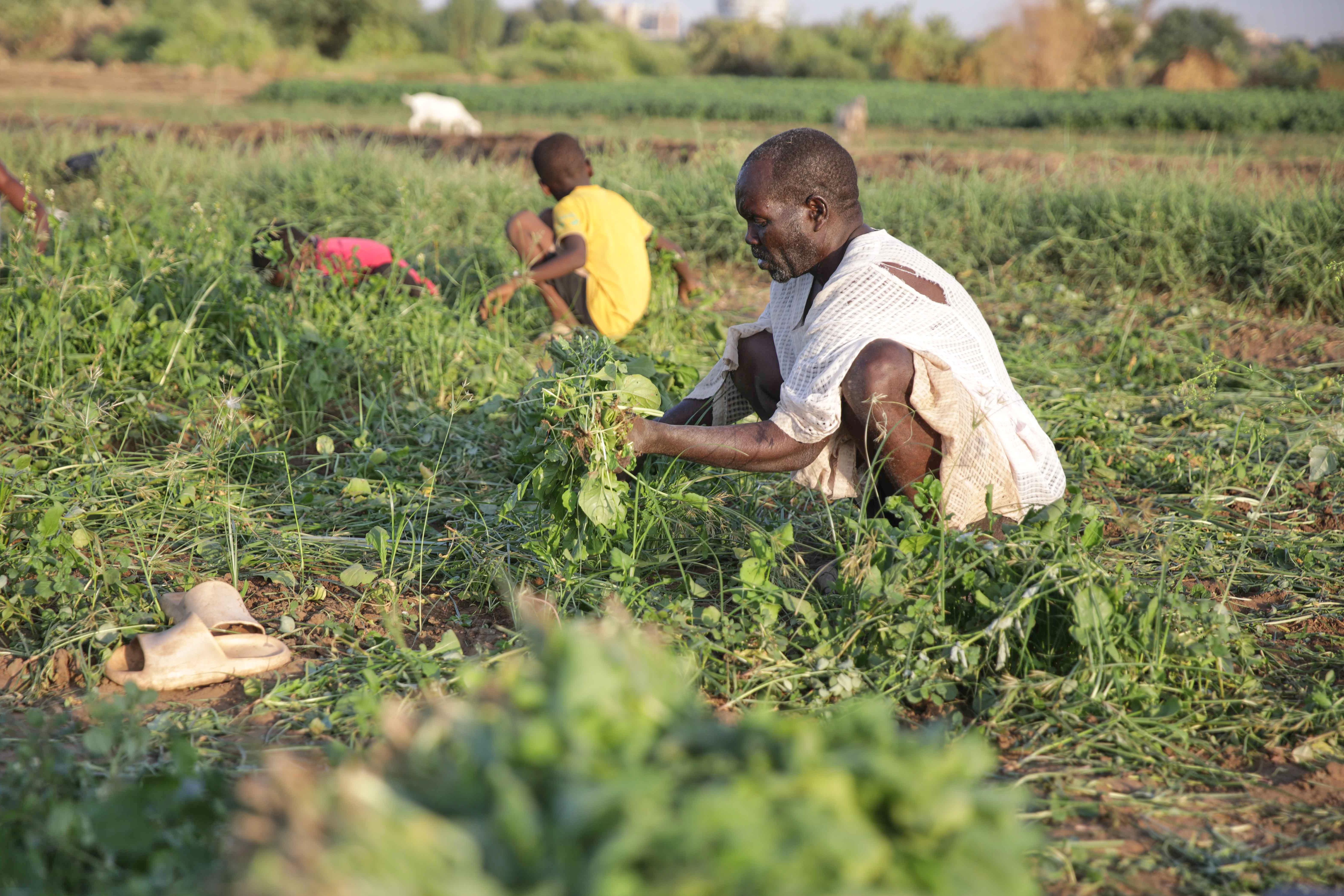
Farmers' livelihoods have also changed as they’re now relying more on markets and assistance, said the IPC, which further warned that without a quick significant increase in assistance, “food insecurity, acute malnutrition, and excess mortality will likely intensify.”
Poor vegetation growth affects 64% of croplands in North Darfur and about half in South Darfur, West Kordofan and South Kordofan, where severe water deficits and limited opportunity for agricultural recovery threaten livelihoods.
The IPC reported worsening acute malnutrition in additional areas, including Nyala, where children accessing nutrition services who were admitted for severe acute malnutrition doubled from approximately 5% to 11% between January and August. Two displacement camps in South Darfur also recorded global acute malnutrition above famine thresholds.
In North Darfur, delayed rains that impacted crop cultivation and “critically low” food stocks have worsened food insecurity. Meanwhile, Western Kordofan is experiencing one of its worst droughts since 2004, the IPC said, citing rainfall levels.
Humanitarian organizations have repeatedly said that ending the conflict and ensuring safe, sustained humanitarian access are essential to improving conditions across Sudan. But repeated efforts to achieve peace have yet to bring the war to an end.
In the latest bout of violence, an airstrike killed at least 72 civilian miners in a border area between Sudan and Egypt where artisanal and small gold mining is widespread, local rights group Emergency Lawyers said Sunday.
The group, which tracks violence across Sudan, said without providing evidence that Egyptian warplanes targeted the miners in Sudan’s North Wadi area. The Associated Press couldn’t independently verify that claim.
In June, Egyptian security forces detained hundreds of people, including foreigners, on the border with Sudan, accusing them of illegal gold mining and smuggling.