HONG KONG (AP) — China hit back Tuesday at a U.S. ban on the use of Chinese artificial intelligence startup DeepSeek's products by federal civilian agencies and warned of retaliatory measures as the two AI powers race to develop the technology.
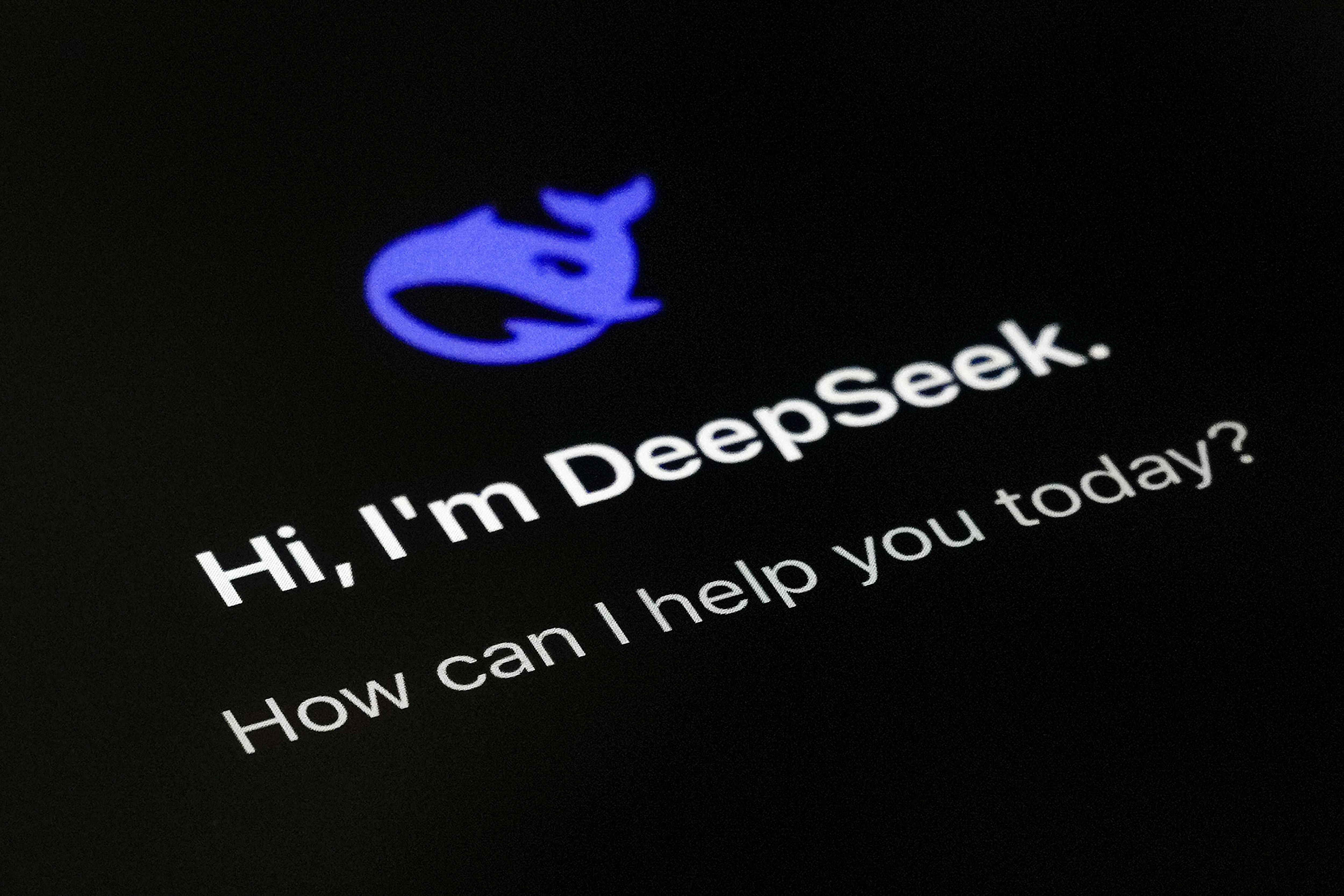
The Department of Homeland Security said the agencies should remove DeepSeek products as well as third-party products and services developed using DeepSeek from their IT systems, according to a notice made public on Monday.
Get The Latest News!
Don't miss our top stories and need-to-know news everyday in your inbox.
The latest warnings reflect “the depth of strategic distrust between Beijing and Washington” even as U.S. President Donald Trump and Chinese President Xi Jinping work hard to keep their personal relationship “warm and constructive,” said George Chen, partner and chair of digital practice at Washington-based The Asia Group consultancy.
The Homeland Security order, dating back to late July, also blocks civilian agencies from procuring DeepSeek products and services.
DeepSeek's open-source models are widely available in countries including the United States, and are mostly free to use.
The notice in the Federal Register alleges that DeepSeek’s models “present multiple threat vectors.” Concerns include that DeepSeek's servers are located in China and that Chinese authorities could potentially access private company infrastructure and sensitive U.S. data, the order says.
Asked in Beijing about the U.S. ban, Foreign Ministry spokesperson Mao Ning said China “will resolutely safeguard the legitimate rights and interests of Chinese companies.”
“China consistently opposes the overstretching of the concept of national security,” she told reporters.
China's Ministry of Commerce also expressed “strong dissatisfaction and firm opposition” against the U.S.'s move, saying late Tuesday that the U.S. side disregarded the consensus reached between Xi and Trump and ignored the broader landscape of China-U.S. economic and trade relations.
Through discriminatory restrictions under “the guise of national security,” the U.S. is trying to suppress and contain China, the commerce ministry statement said. “China will closely monitor the situation and take all necessary measures to firmly defend its legitimate rights and interests.”
DeepSeek did not immediately respond to a request for comment.
China and the U.S. have recently made progress in some collaboration on AI governance, including a U.S. proposal for setting up a notification system on national security-related incidents, but they remain at odds on many issues.
AI is expected to be on the agenda when Trump and Xi meet again in mid-November on the sidelines of the Asia-Pacific Economic Cooperation summit in Shenzhen, China. The two leaders last met in September as Xi made a state visit to Washington.
U.S.-led restrictions still ban China from accessing some of the world’s most advanced AI chips and the machines that make them.
The U.S. also has said Chinese AI startups including DeepSeek had engaged in large-scale “distillation,” or extraction of capabilities, from frontier American AI models, claims that Beijing has dismissed.
And last week, Beijing rolled out its own proposals to restrict exports of certain advanced AI models.