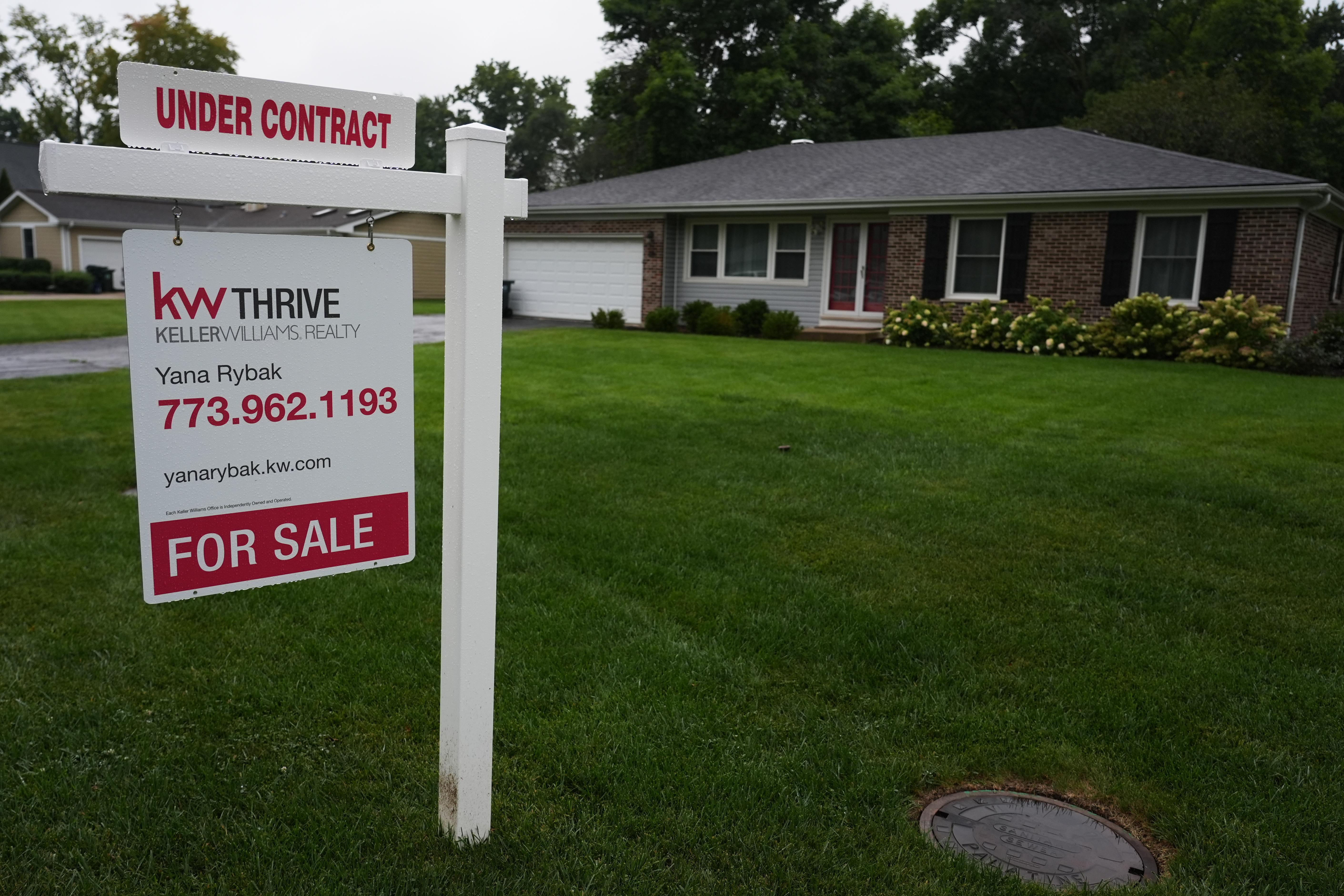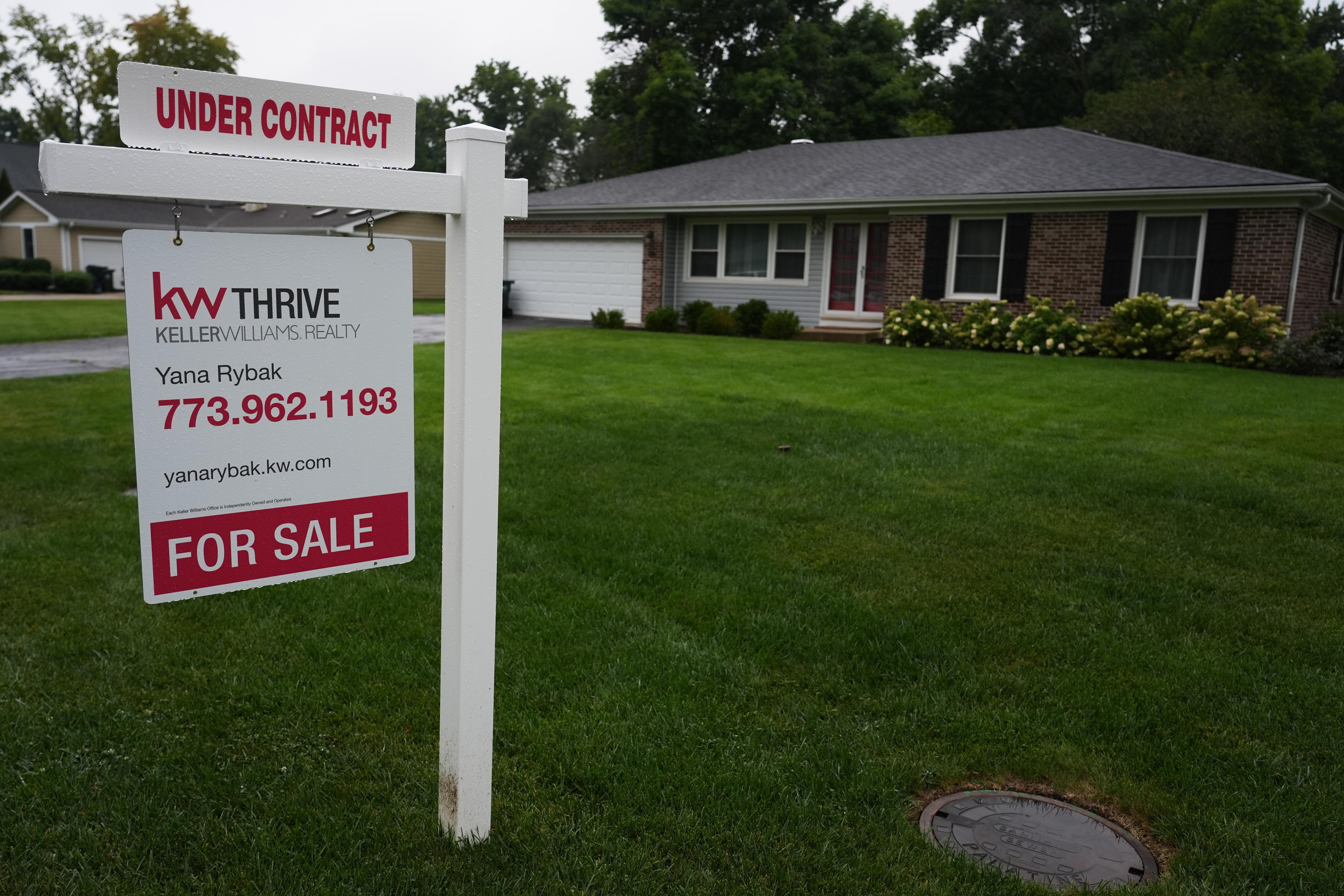


Mortgage rates fell this week for the first time since late August, easing some of the pressure on prospective homebuyers facing higher borrowing costs on home loans.
The benchmark 30-year fixed-rate mortgage dropped to 7.32% from 7.40% last week, mortgage buyer Freddie Mac said Thursday. One year ago, the average rate was 6.19%.
Get The Latest News!
Don't miss our top stories and need-to-know news everyday in your inbox.
Borrowing costs on 15-year fixed-rate mortgages, often sought by borrowers refinancing a home loan, also eased this week. That average rate slipped to 6.68% from 6.71% last week. A year ago, it was at 5.44%.
Rates on home loans are influenced by inflation, Federal Reserve policy and bond-market investors’ expectations for the economy, among other factors. They generally follow the trajectory of the 10-year Treasury yield, which lenders use as a guide to pricing home loans.
Mortgage rates have been climbing since late February, when the U.S. war with Iran began, pushing up the price of oil and driving inflation higher. The run-up in rates also reflects heightened bond market volatility, which has pushed up yields on U.S. Treasurys.
The 10-year Treasury yield has been mostly easing the last couple of weeks after climbing to its highest level since 2002. That's caused the average rate on a 30-year mortgage to hold steady after reaching 7.4%, its highest level in nearly three years.
The yield was at 5% at midday on the bond market Thursday. It surged to more than 5.30% earlier this month and remains well above its 3.97% level from before the war with Iran.
U.S. home sales remain stalled this year in large part because of rising mortgage rates, which can add hundreds of dollars a month in costs for borrowers, limiting homebuyers’ purchasing power and prompting many to put off buying a home.
In late February, the average rate on a 30-year mortgage briefly dipped to 5.98%, its lowest level going back to late 2022. The rise in rates since then has added roughly $355 to the monthly cost for a borrower financing a $400,000 home loan, going by the latest average rate.
Depending on a borrower’s income, credit and other factors, they may qualify for a rate on a 30-year mortgage that is below or above the current average.
The U.S. housing market has been in a slump since 2022, when mortgage rates began to climb from pandemic-era lows. Sales of previously occupied U.S. homes were essentially flat last year, stuck at a 30-year low.
In its latest forecast, mortgage buyer Fannie Mae projects that the rate on a 30-year mortgage will average 7.4% in the final quarter of this year, and average 7.5% in 2027.