
SAO PAULO (AP) — Brazilian prosecutors and advocates for Indigenous people are suing to force electoral authorities to help voters in remote Amazon communities exercise their constitutionally guaranteed right to cast ballots in Sunday's presidential runoff.
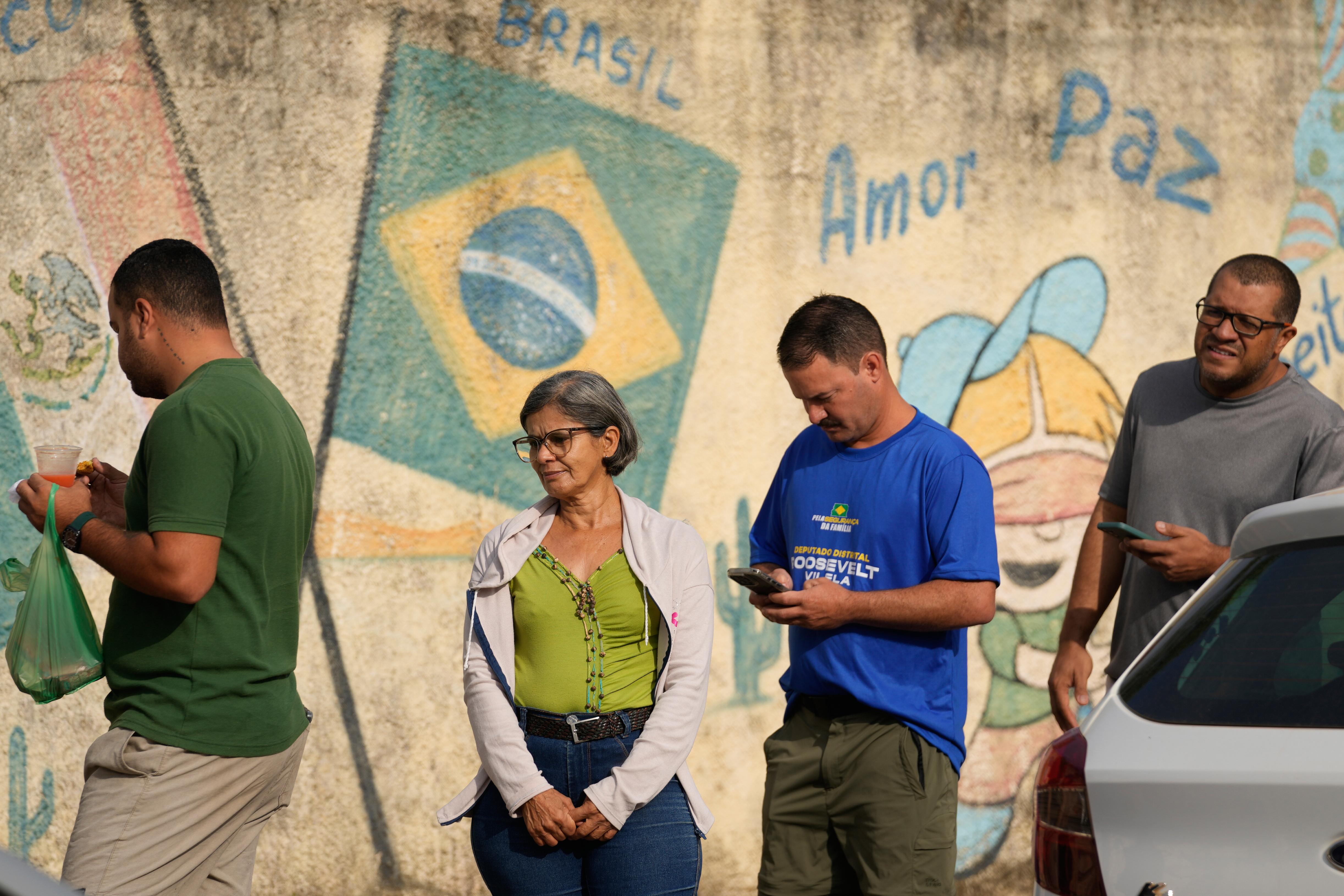
Leftist President Luiz Inácio Lula da Silva and his far-right challenger, Sen. Flávio Bolsonaro, a son of former President Jair Bolsonaro, have markedly different approaches to protecting the Amazon, and the race is tight according to recent polls.
Get The Latest News!
Don't miss our top stories and need-to-know news everyday in your inbox.
The Articulation of Indigenous Peoples of Brazil, known as Apib, announced Thursday that it filed an urgent request for the Justice Inspector General’s Office to make sure electoral officials act quickly to help Indigenous people reach voting centers.
And federal prosecutors filed a lawsuit Wednesday in federal court in Para seeking a nationwide order to ensure Indigenous peoples can vote, by providing free transportation by river, land or air, and by funding food, interpreters, cultural facilitators and signs in Indigenous languages at polling places.
The prosecutors’ suit cites accounts from communities across Brazil, including allegations that municipal governments denied transportation for political reasons and ranchers prevented Indigenous workers from leaving farms to vote.
The most serious problem involves 43 Indigenous communities deep in the jungle in northern Brazil, Apib said. On Tuesday, the Amazonas state electoral court rejected a petition for transportation assistance filed by Univaja, an association representing Indigenous peoples of the Javari Valley.
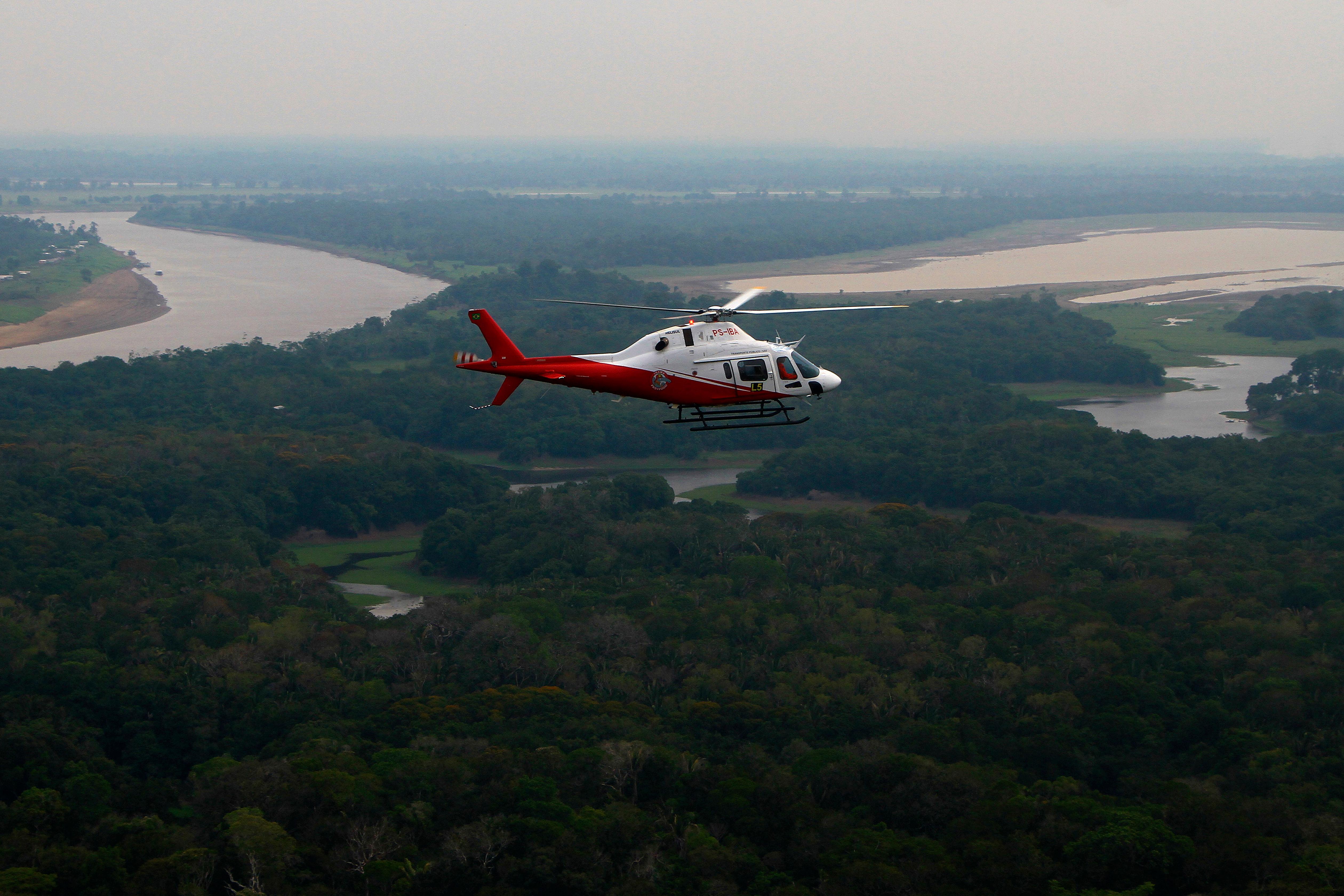
Some of these voters live as far as 895 kilometers (556 miles) from their polling places, requiring boat trips of three to five days. Officials need to use military aircraft to transport voting machines and election workers to some remote locations.
“The state brings the ballot box to the forest but does not bring the voter to the ballot box,” Apib said.
Villages in the Javari Valley territory received their first voting centers in 2014, thanks to the efforts of Bruno Pereira, an Indigenous expert who died in 2022 while on assignment in the Javari Valley alongside British journalist Dom Phillips.
The Brazilian government’s Indigenous affairs agency, Funai, told AP it has consulted communities about transportation needs for the runoff but said state electoral authorities are responsible for arranging it.
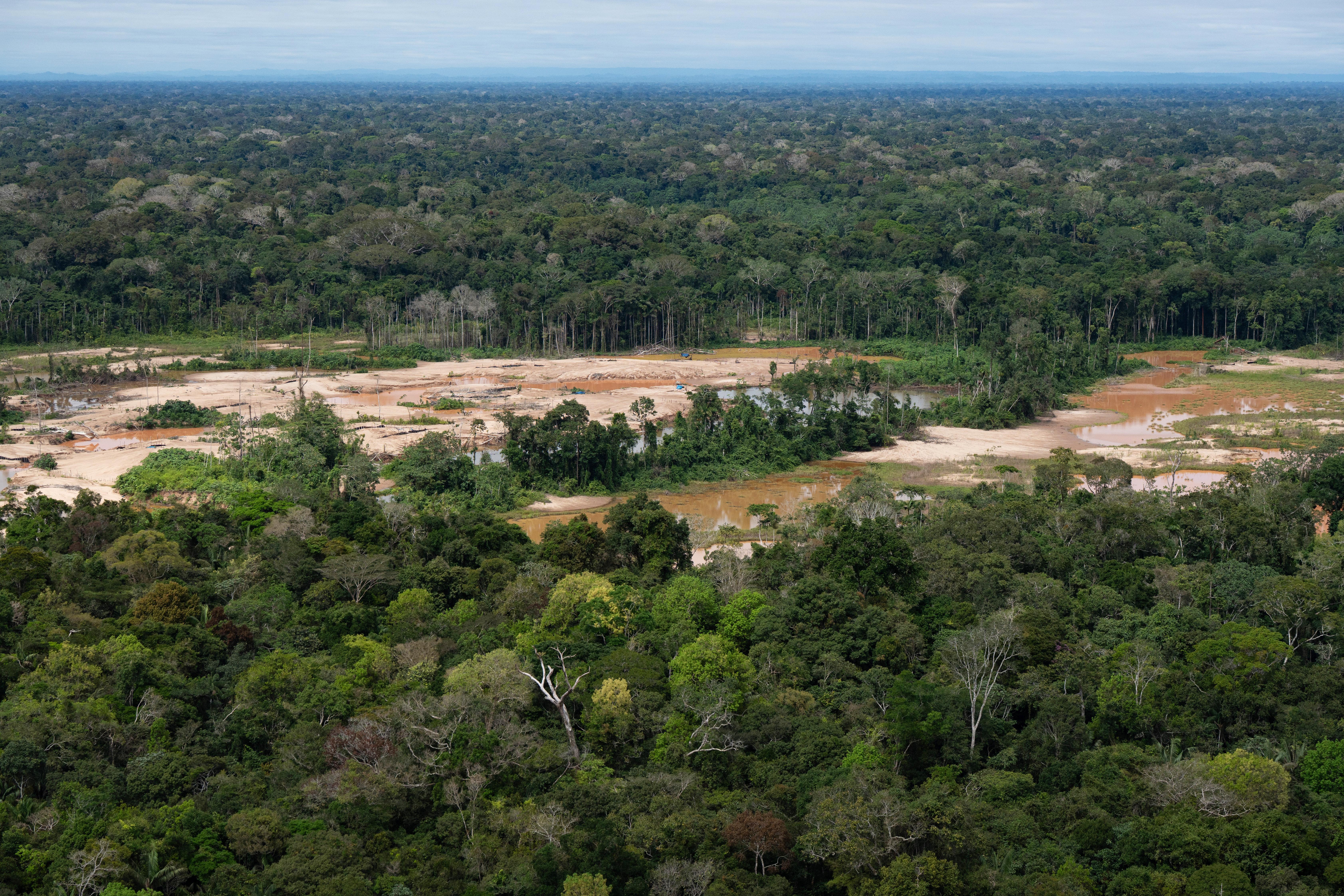
Protecting Indigenous territories is widely seen as one of the most effective ways to curb deforestation in the Amazon, the world’s largest rainforest and a key regulator of global climate.
Researchers warn that continued forest loss could accelerate global warming. A 2022 analysis by MapBiomas, a network of nongovernmental groups tracking land use, found Indigenous territories in Brazil had lost just 1% of native vegetation over three decades, compared with 20% on private land nationwide.
___
The Associated Press’ climate and environmental coverage receives financial support from multiple private foundations. AP is solely responsible for all content. Find AP’s standards for working with philanthropies, a list of supporters and funded coverage areas at AP.org.