
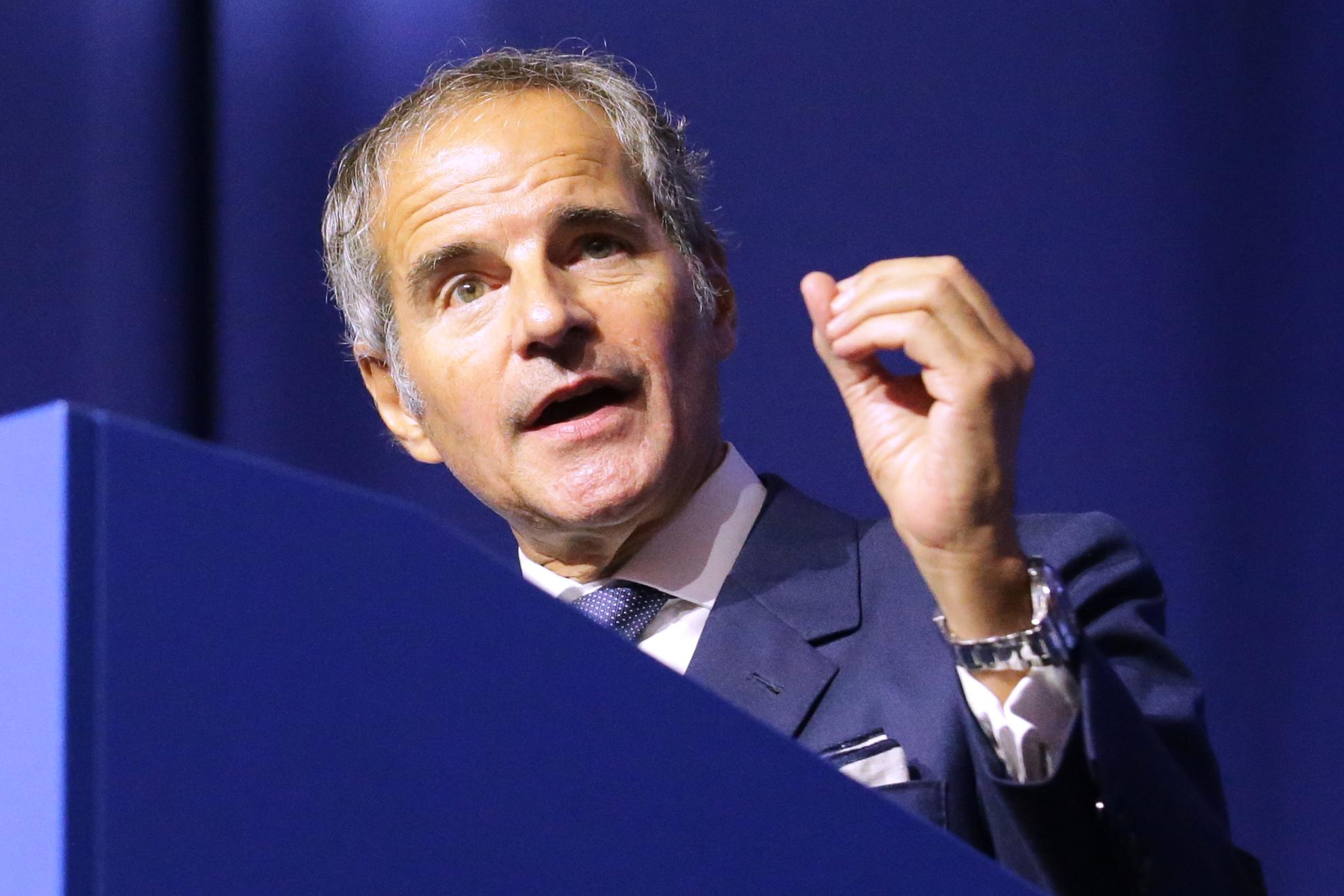
UNITED NATIONS (AP) — The head of the U.N. nuclear agency said Tuesday there has been no indication Iran has tried to repair or reconstruct its nuclear facilities damaged in U.S. and Israeli military strikes this year or last year.
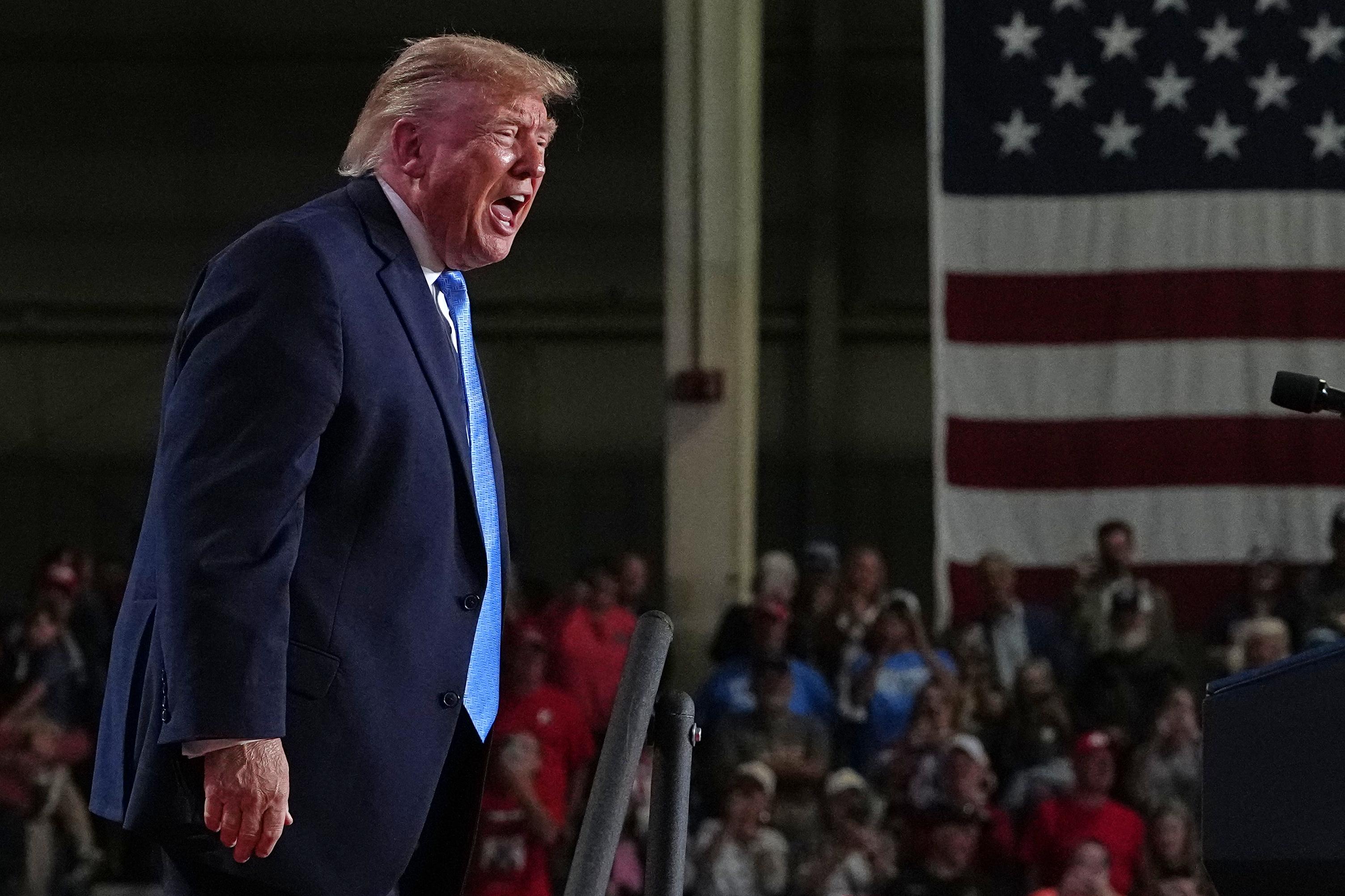
President Donald Trump has said one of the major reasons the U.S. went to war with Iran on Feb. 28 was to deny Tehran the ability to develop nuclear weapons, even as he has insisted that strikes the U.S. carried out on Iranian nuclear sites in June 2025 “obliterated” the country’s atomic program.
Get The Latest News!
Don't miss our top stories and need-to-know news everyday in your inbox.
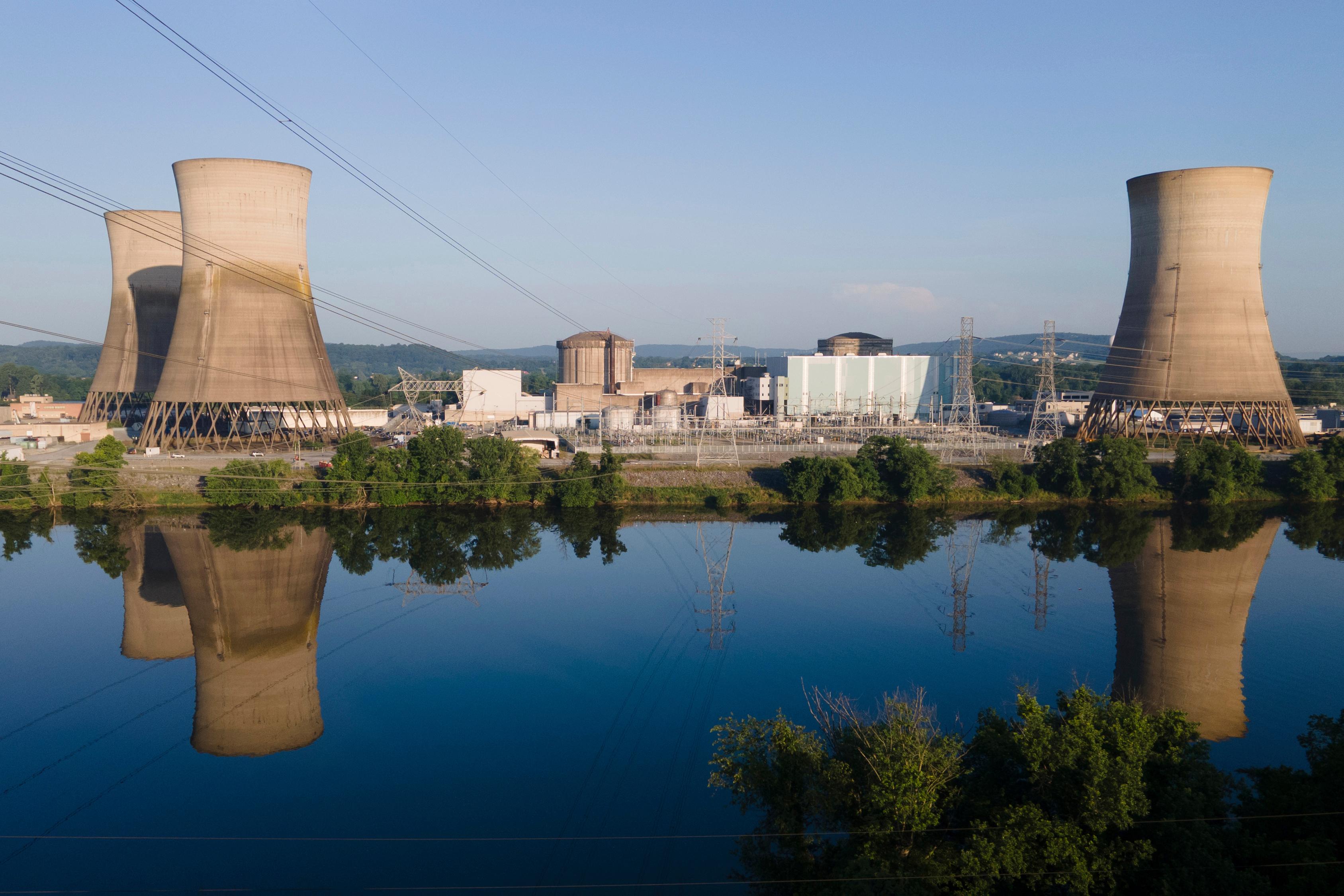
During a U.N. Security Council meeting, International Atomic Energy Agency chief Rafael Grossi urged Iran to give inspectors access to all nuclear sites, including those damaged in the military attacks. The IAEA has not been able to verify the status of Iran’s stockpile of near weapons-grade uranium since the U.S. bombed its sites last year.
However, Grossi said that “since June 2025, we have not identified any activity to repair or reconstruct any of the facilities damaged in the military attacks of 2025 and 2026."
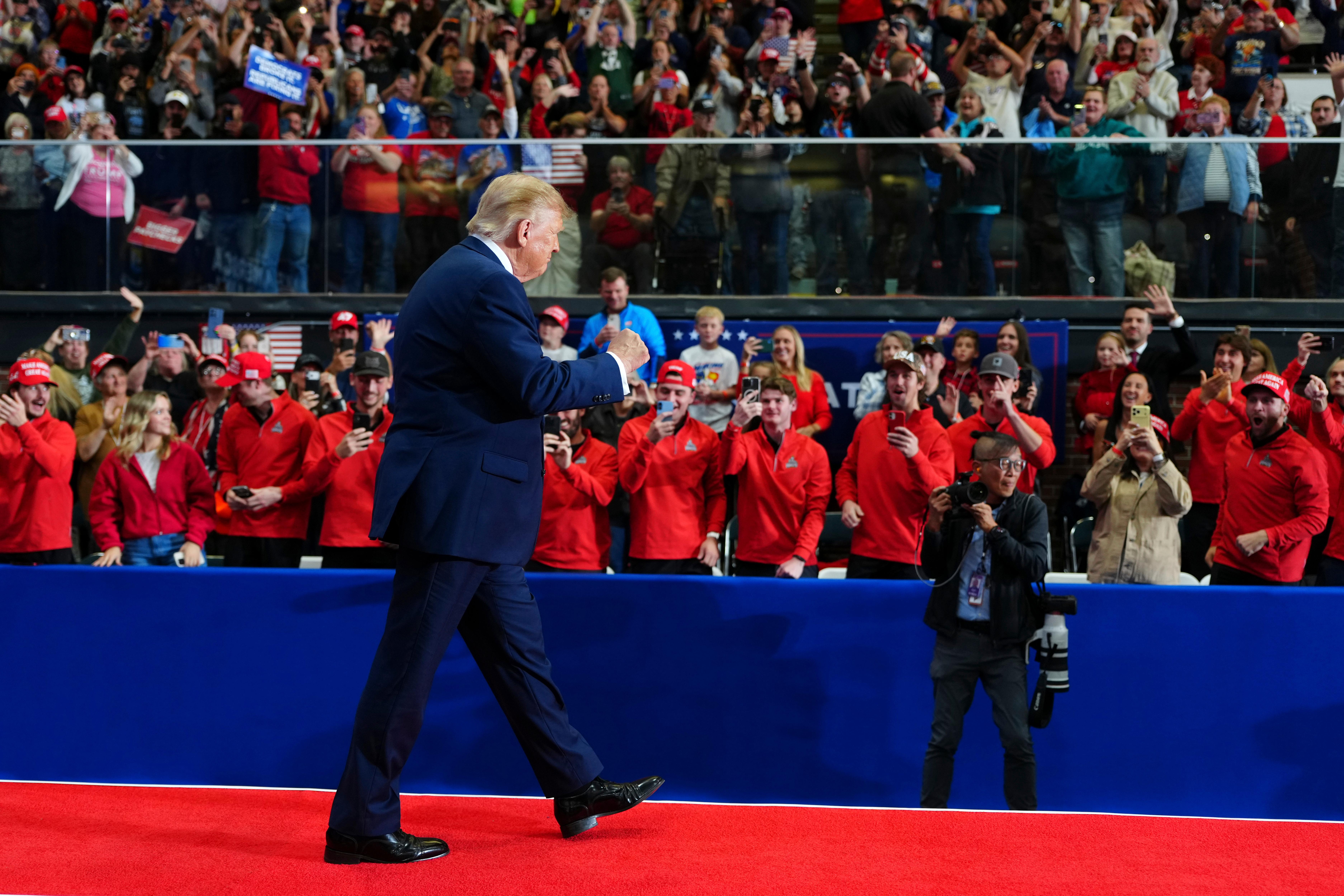
Trump has consistently downplayed the economic impact of the Iran war, which has emerged as a liability for Republicans heading into next week’s midterm elections, and has argued that higher fuel prices are worth paying to prevent a nuclear-armed Iran. The White House didn’t immediately respond Tuesday evening to a request for comment on Grossi's remarks.
Iran maintains that its nuclear program is peaceful. However, the IAEA says the country has a stockpile of 440.9 kilograms (972 pounds) of uranium enriched up to 60% purity — a short, technical step away from weapons-grade levels of 90%.
The U.N. meeting on Tuesday was called by Bahrain, Denmark, Latvia, France, the United Kingdom and United States after the IAEA referred Iran to the Security Council for failing to comply with its nuclear nonproliferation obligations. Russia and China, allies of Iran, tried unsuccessfully to prevent the meeting.
Under those obligations, which are part of the Nuclear Non-Proliferation Treaty, Iran is legally bound to declare all nuclear material and activities and allow IAEA inspectors to verify that none of it is being diverted from peaceful uses.
Iran’s U.N. deputy ambassador Gholamhossein Darzi attacked the council for its silence after the U.S.-Israeli attacks, denouncing their “wars of aggression against Iran” and accusing the U.S. of committing war crimes against the Iranian people.
He never mentioned the IAEA’s unanswered questions or the demand to return its inspectors. Instead, he asserted that “Israel possesses nuclear weapons, yet your concern is the absence of inspectors in Iran.” Israel has never confirmed that it possesses nuclear weapons.
U.S. Ambassador to the U.N. Mike Waltz called Iran a “brutal dictatorship” and asked if the Iranian ambassador wanted to apologize to Bahrain’s envoy, a council member, for attacking his country.
“We’ve heard tireless allegations against the United States, ” he said. “What we have not heard today is an explanation for Iran’s continued failure to satisfy its safeguard obligations.”
The IAEA asked Iran for answers, Waltz said, and it would be smart for the Iranian representative to start providing some answers.
“Your lies are no good here,” he said.