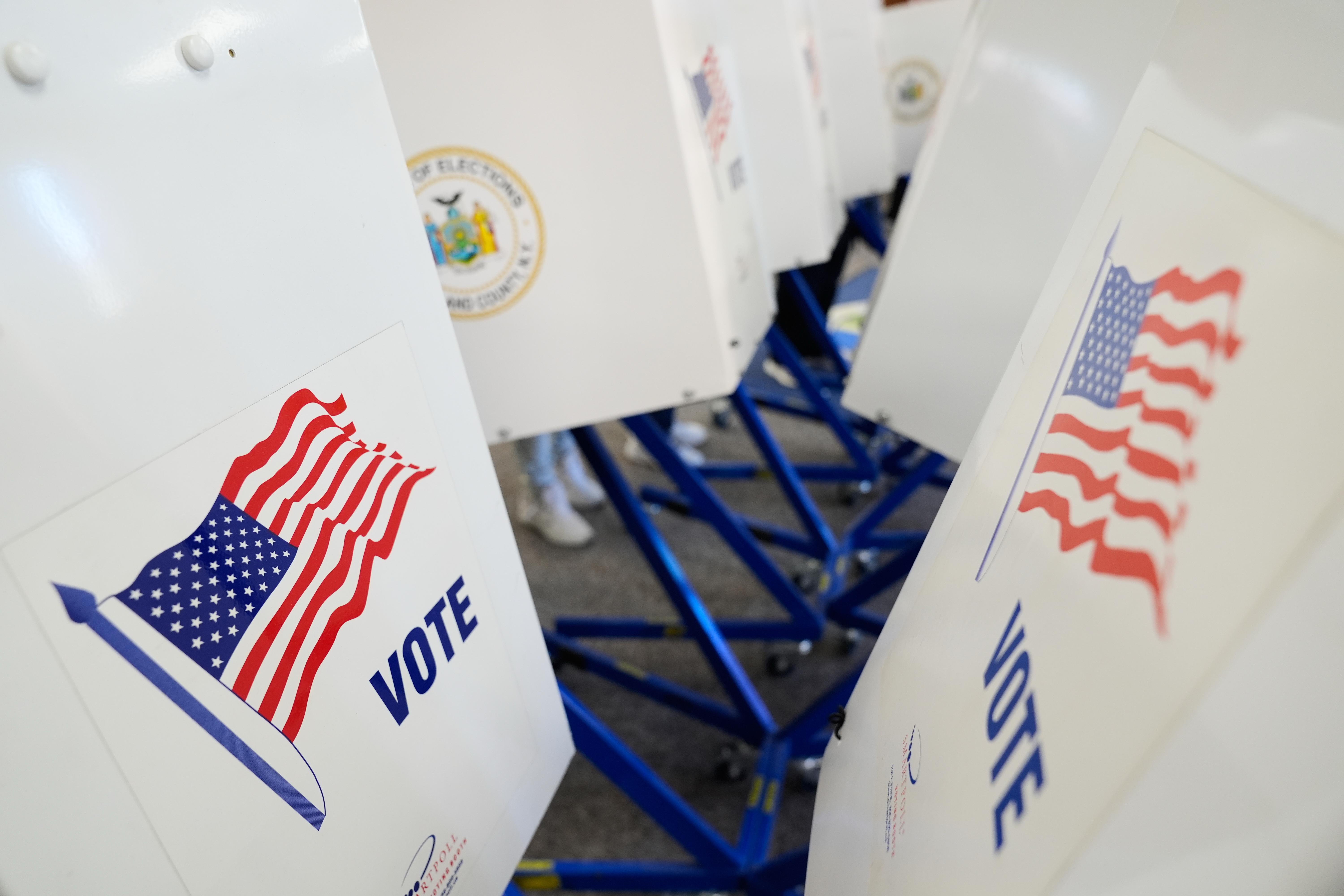

LOS ANGELES (AP) — The U.S. Justice Department has issued subpoenas to California officials in an escalation of its scrutiny of local election administration.
The Associated Press obtained copies of three subpoenas sent Oct. 21 and Oct. 24 to employees of the Los Angeles County Registrar-Recorder, ordering them to appear in court on Nov. 4, the day after the election.
Get The Latest News!
Don't miss our top stories and need-to-know news everyday in your inbox.
The documents request any records, documents and communications related to letters sent in July and October by federal officials to state election officials outlining allegations of noncitizens on the state’s voter rolls. The subpoenas also seek information relating to the office's “methods for screening for unlawful voting by aliens” and anything about efforts to prevent noncitizen votes from being counted.
All four U.S. attorneys in California were issuing subpoenas, according to a person familiar with the matter who insisted on anonymity to discuss an ongoing investigation.
Dean Logan, the Los Angeles County registrar, said, “threats and intimidation have no place in elections.”
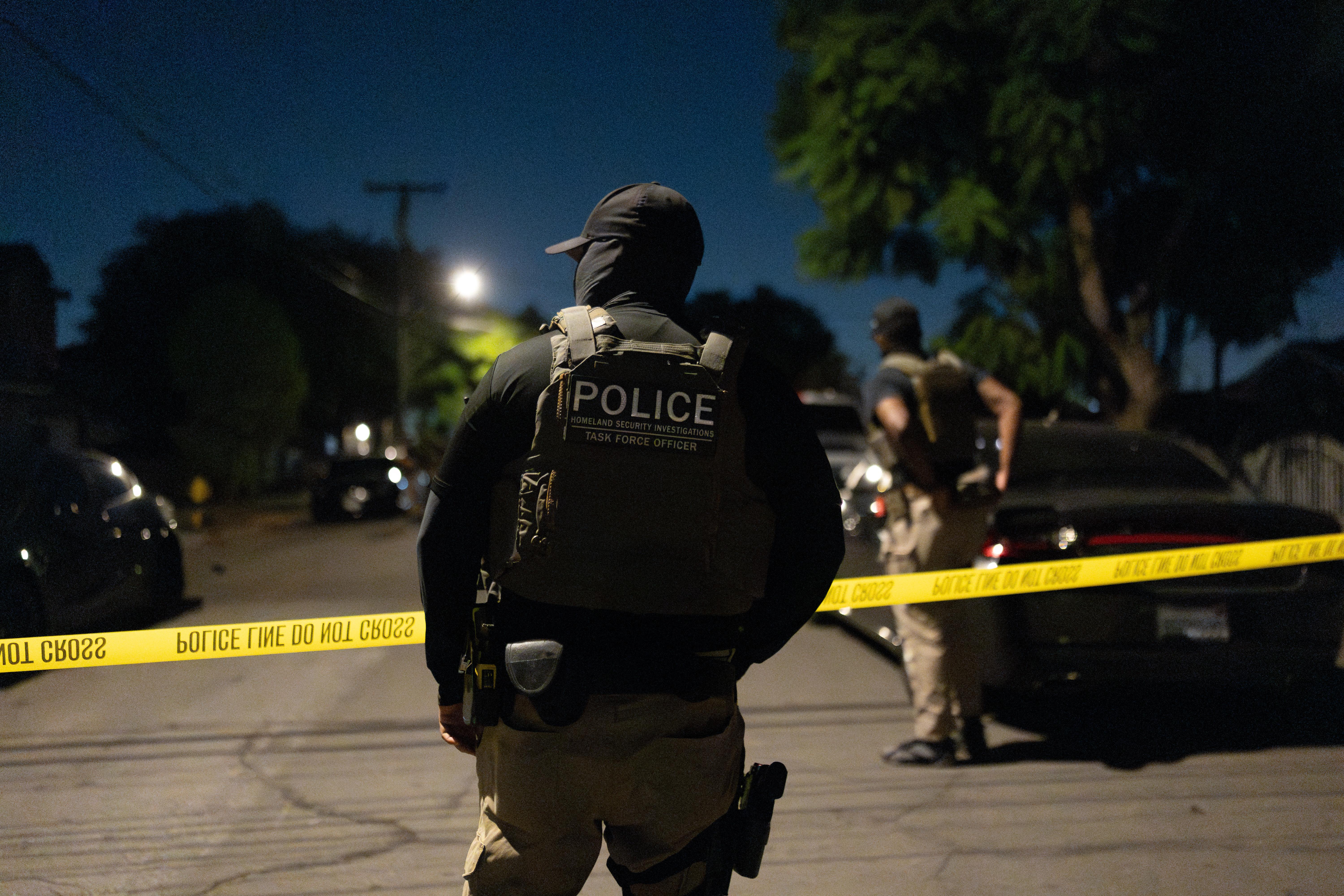
A letter accompanying a subpoena sent to the county registrar's Custodian of Records says it was issued “in connection with an official criminal investigation being conducted by the Department of Homeland Security, Homeland Security Investigations.” It doesn't detail the specifics of the investigation.
The issuance of a subpoena does not necessarily mean the person who receives it is the target of a criminal investigation.
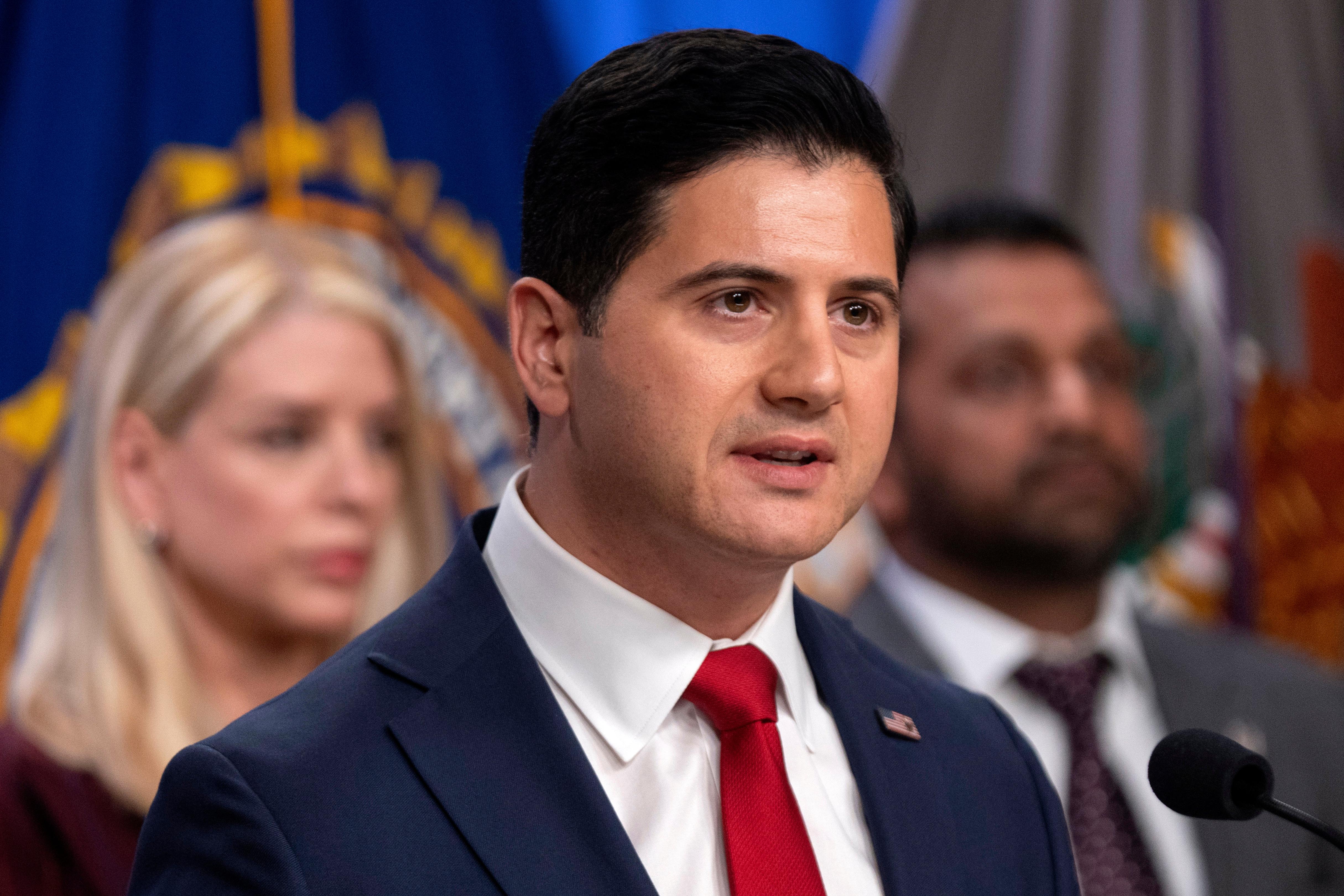
But First Assistant U.S. Attorney Bill Essayli recently warned that “any election official who knowingly processes the ballot of a noncitizen is opening themselves to legal jeopardy.”
The Trump administration has sued to force California to set aside up to 20,000 ballots it suspects went to noncitizens and not count them until citizenship can be verified. A district court judge on Tuesday rejected that request, then on Thursday appointed a special master to evaluate the administration's claims.
U.S. District Judge David O. Carter did not specify the exact scope of special master Daniel B. Garrie's responsibilities, but said he would be tasked with “developing the factual record” for the court.
In a Tuesday court hearing, Carter said he wanted to vet the federal government’s list of over 20,000 alleged noncitizen voters since there has been extensive debate over its reliability and both sides have agreed that it includes an unspecified number of citizens.
Carter also said at the hearing that a special master could investigate California’s claims that it cannot logistically separate the ballots in time for the county election certification deadline on Dec. 3. The federal government has contested that assertion.
It is not clear what would happen if a special master did find a substantial number of noncitizen voters on the federal government’s list or whether it would affect the certification of California’s election results. The 20,000 people on the DOJ’s list constitute only a small fraction of California’s 23 million voters.
Meanwhile, the Trump administration asked a federal appeals court to quickly weigh in.
The Justice Department said in a late Wednesday filing that it's essential the 9th Circuit Court of Appeals issue a ruling as soon as possible due to “irreversible ballot processing occurring on an ongoing basis.”
Carter’s decision was the latest legal setback for President Donald Trump in his efforts to expand federal control over state-run elections in the midterms that will decide control of Congress for the rest of his term. The Justice Department has made similar demands in other states, including Washington. Noncitizen voting has been a central focus of Trump’s political messaging for years, although available data indicates it is exceedingly rare.
Trump blasted Carter's ruling against the federal government on Thursday morning before heading to a campaign rally in South Carolina.
“California is very corrupt. The elections are extremely corrupt. The judge should not have done that but we’ll appeal that, of course," he told reporters. Trump added without evidence that there are “hundreds of thousands” and then amended it to “millions, in my opinion” of “bad ballots” in California.
Carter, an appointee of Democratic President Bill Clinton, argued that the Justice Department's demands were a clear violation of the National Voter Registration Act, which prohibits changes to voter rolls or election procedure within 90 days of an election.
Both sides agree that an unspecified number of citizens were inadvertently included. Carter argued that separating the ballots at this point would risk disenfranchising citizens and “wreak havoc” on the election certification process.
Over 500,000 votes have already been processed in Los Angeles County alone, according to court filings. The system also protects voter privacy: Once a vote is processed, it cannot be traced back to the person who cast it.
Carter is to rule on the government’s renewed request for a preliminary injunction, which would bar the state from counting the ballots until the litigation is resolved. He said he will do so after a Nov. 13 evidentiary hearing with input from the special master.
He said that if the federal government suspected noncitizens were voting, it could continue to prosecute those cases criminally. Federal authorities have charged over two dozen foreign nationals in California as part of a statewide sweep targeting people officials allege have illegally registered or voted in U.S. elections.
The appeal will be the second time that the 9th Circuit Court of Appeals will consider the case.
The first time was just last week when the Justice Department argued before an appeals court panel that a fast ruling on its request was needed to stop any counting of the ballots.
Although the panel ruled it was premature for an appeals court to get involved before a lower-court ruling, two of the three judges wrote separate concurrences making it clear they wouldn’t support setting aside ballots at this late date. They questioned the accuracy of the federal government’s list of alleged noncitizen voters and argued that to set aside votes risks disenfranchising citizens.
One judge dissented, arguing that federal law bars noncitizens from voting and requires California to vet the potentially illegal ballots before counting them. The failure to do so, he wrote, would cause irreparable harm to the election.
__
This story has been updated to correct that the subpoenas viewed by AP were sent Oct. 21 and Oct. 24, not Oct. 29.