FRANKFURT, Germany (AP) — Europe's economy persevered with moderate growth in the third quarter despite higher oil prices from the U.S.-Iran war, as gross domestic product increased by 0.4% over the quarter before.
The figure released Friday for the 21 European Union member countries that use the euro currency was better than the 0.2% expected by market analysts. Compared to the same quarter a year ago, the economy of the 21 countries using the euro grew by 1.3% in the July-September period, according to EU statistics agency Eurostat.
Get The Latest News!
Don't miss our top stories and need-to-know news everyday in your inbox.
The continued growth shows that “households and businesses have not pared back their spending due to the Iran war,” said Jack Allen-Reynolds, deputy chief eurozone economist at Capital Economics.
“All in all, the eurozone economy remains resilient amid geopolitical turmoil and a worsening inflationary environment,” wrote Paolo Grignani, senior economist at Oxford Economics.
That is despite “worrying signs” that higher oil prices are spreading to other sectors. Those so-called second-round effects — where high oil prices start to influence wages and prices throughout the economy — would support higher interest rates from the European Central Bank.
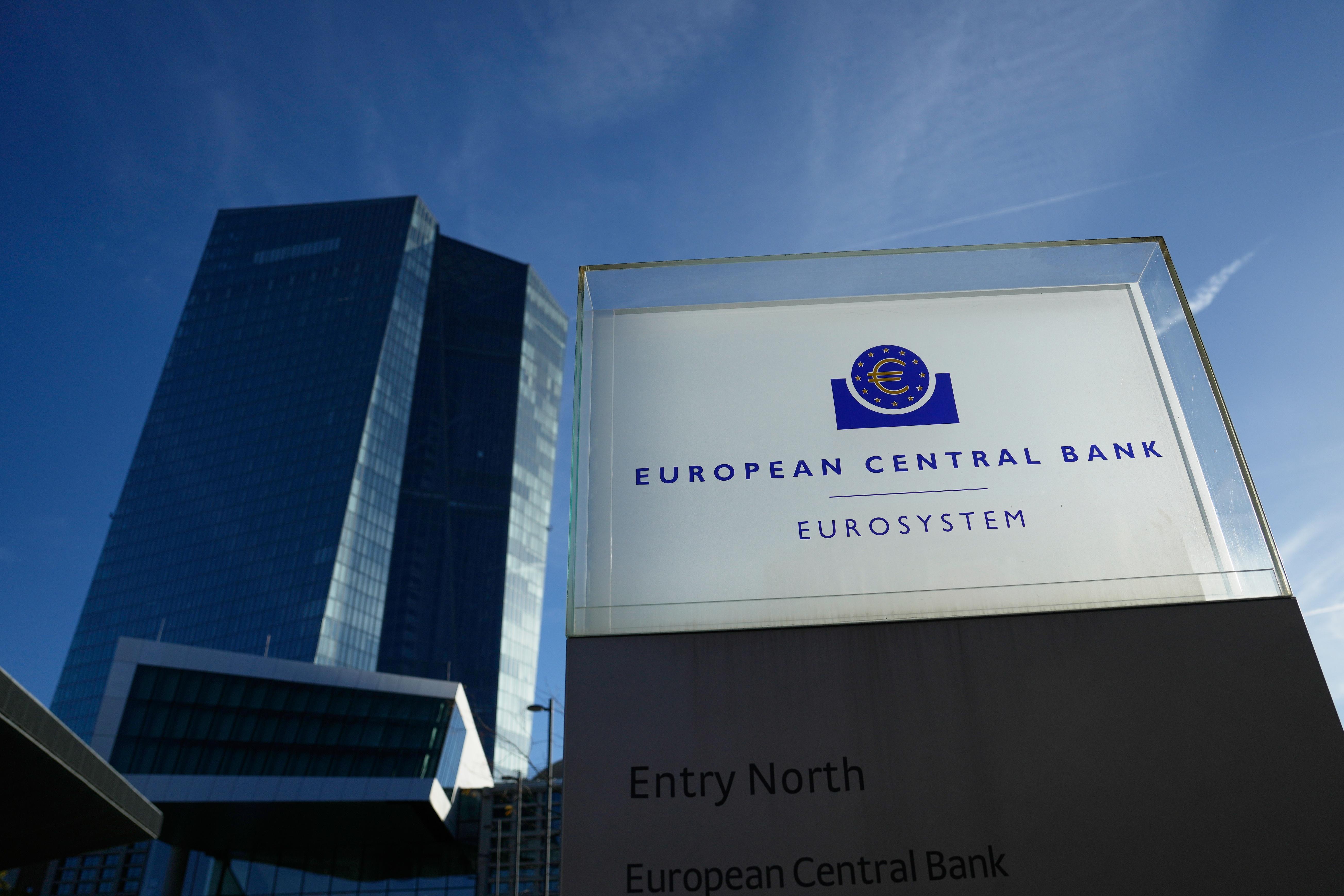
Inflation of 3.8% remains above the 2% target set out by the ECB, which left rates unchanged at its policy meeting Thursday. That means the ECB may raise rates at its next meeting in December to cool inflation, imposing higher borrowing costs on the economy even as growth remains modest and unevenly distributed among member countries.
Germany, the largest of the euro economies, saw growth of 0.2% despite headwinds from high energy prices and low river levels that disrupted commerce. France, however, shrank by 0.1% as a political deadlock over how to address an outsized budget deficit continues to weigh on business confidence. Stronger performers were Spain, the Netherlands and Estonia with 0.6%
The eurozone growth figure was distorted by an increase of 5.5% in Ireland, where figures are volatile because it is host to multinational tech and pharmaceutical companies whose global activities can influence the figures. Excluding Ireland, growth was 0.2%.