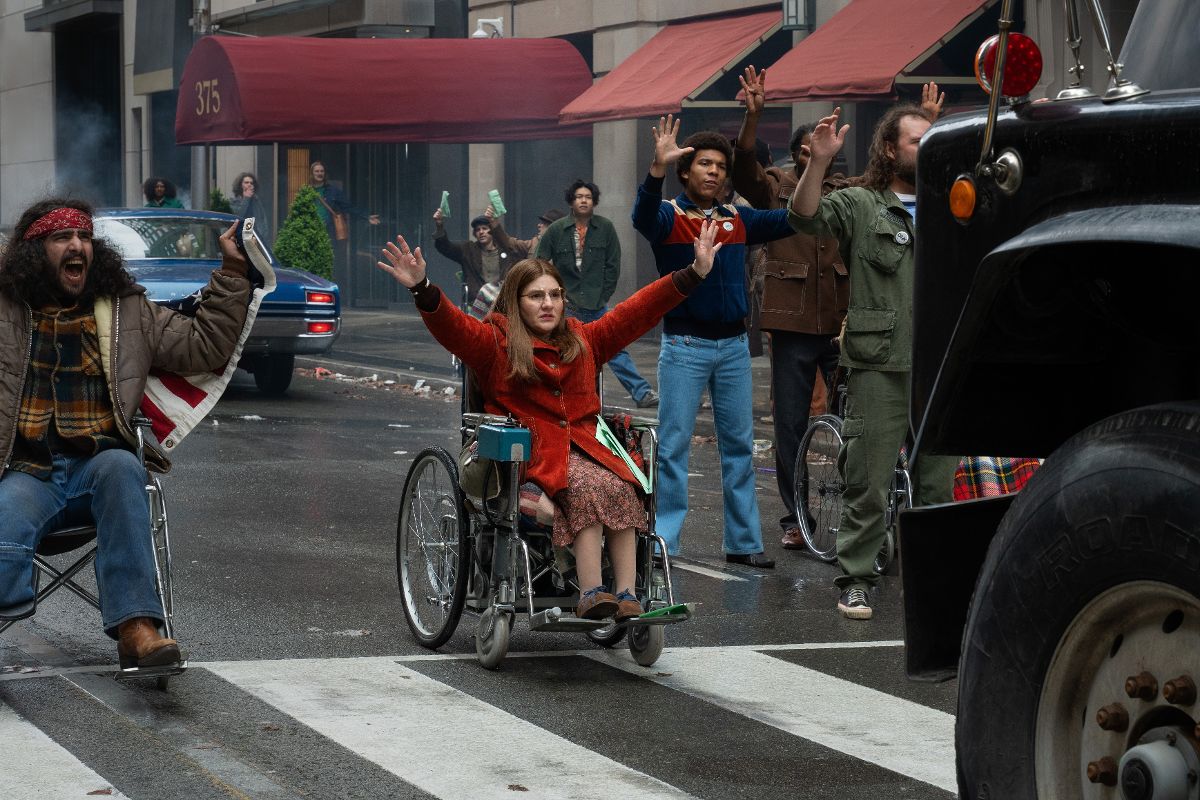
NEW YORK (AP) — Siân Heder had spent two years working with Judy Heumann, the disability rights pioneer, when she died in 2023. Their time together gave Heder a window into Heumann’s humor, her vulnerability, but most of all her relentlessness.
“Every time I got on a Zoom with her I was somewhat intimidated,” Heder recalls. “She had a way of asking you questions that immediately put you on your back foot. She would go: ‘How are you? How’s your family? Have you talked to so-and-so yet?’”
Get The Latest News!
Don't miss our top stories and need-to-know news everyday in your inbox.
When Heumann died at the age of 75, she left behind a towering legacy as the so-called “mother of the disability rights movement.” Debating how to follow up her best picture-winning family drama “CODA,” Heder at first didn’t know what to do.
“I wondered whether I could continue to make the movie without her,” says Heder. “At that point, I had so many connections with her family and friends and other protesters. It felt very important to carry on and make the movie.”
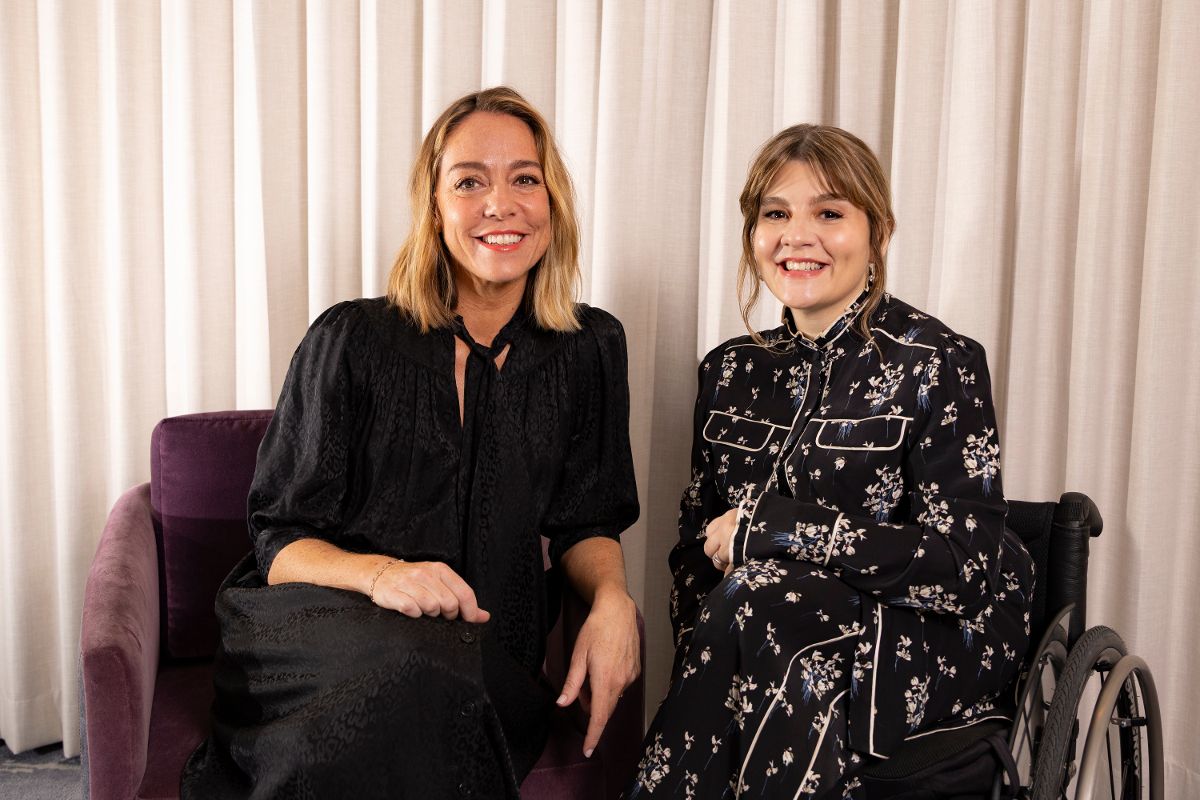
In making “Being Heumann,” which opened in theaters Friday and premieres Nov. 13 on Apple TV, Heder set herself a tall task. She wanted to tell the story of a crucial historical moment in the disability rights movement: when Heumann led some 150 protesters in a 1977 sit-in occupying the San Francisco offices of the Department of Health, Education and Welfare.
The demonstration led to the U.S. secretary of Health, Education, and Welfare, Joseph Califano (Mark Ruffalo in the film), finally enacting the Rehabilitation Act, which four years earlier had made accessibility a requirement of federal buildings but had gone unenforced. Heder, imagining her film as a “Dog Day Afternoon” for disability rights, aimed to capture the collective thrall of a protest that, considering the disabilities of its demonstrators, was exponentially more challenging.
But none of that story would work without an actor capable of leading the film and channeling the spirit of Heumann.
It's hard to overstate Heumann’s importance. In 2010, President Barack Obama selected her to lead international disability rights diplomacy for the State Department. The Oscar-winning 2020 documentary “Crip Camp,” produced by Obama, derived much of its power from Heumann’s tough Brooklyn charisma.
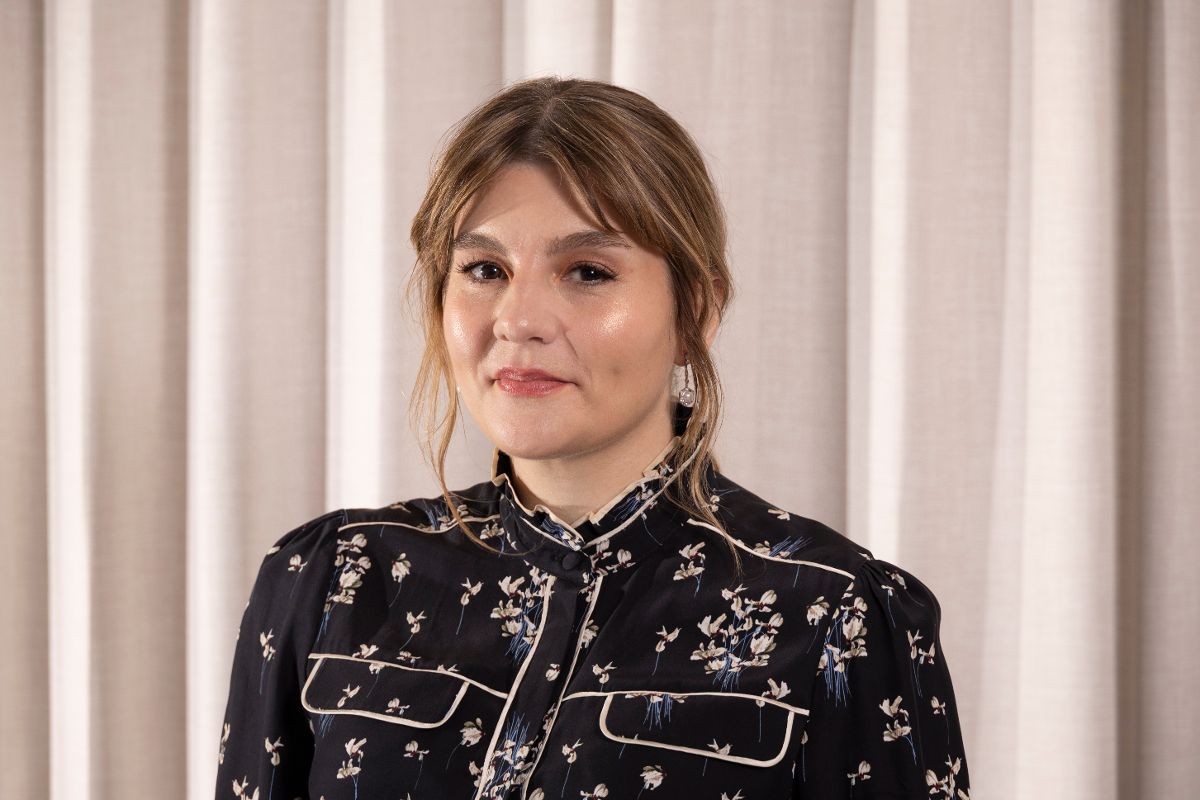
Heumann’s legacy made the role for Ruth Madeley both profoundly meaningful and extremely daunting. By Madeley’s own account, Heumann was “the queen of our community.”
Madeley, 39, is from near Manchester, in the U.K., but, like Heumann, has used a wheelchair most of her life. Heumann contracted polio as an infant; Madeley was born with spina bifida.
“I grew up never seeing anyone who looked like me on screen,” Madeley says. “It wasn’t whether I could do it. It was a subconscious thing: It’s not even an option.”
Yet Madeley has established herself in Britain as an acclaimed actor. She was BAFTA-nominated for 2015’s “Don’t Take My Baby,” about a couple with disabilities fighting to prevent their baby from being taken from them.
“I’m in a position now where people listen to me, but at the beginning of my career, I wouldn’t have said anything,” Madeley says. “If there was no ramp, I would have said, ‘Don’t worry, it’s fine.’ Now, I want to encourage so many disabled people to not do that.”
But “Being Heumann” is Madeley’s biggest role to date. For Heder, she was the clear choice. On “CODA,” a landmark movie for deaf representation enlivened by the performances of Troy Kotsur, Marlee Matlin and Daniel Durant, Heder saw the power of casting authentically.
“The real lived experience of being in a disabled body is something that’s very hard to capture if you haven’t lived it,” Heder says. “Every disabled experience is different. I think generality is the enemy of representation.”
Still, disabled characters rarely appear prominently in popular films, and even more seldom get the big-screen biopic treatment of a movie like “Being Heumann.” The Apple production features the largest-ever ensemble cast of disabled actors. At the film's Toronto International Film Festival premiere, just their collective presence on the red carpet made a potent statement.
“The majority of sets I’ve been on, I’ve literally been the only disabled person, whereas this is most of the cast,” says Madeley. “Being on the set of ‘Being Heumann’ really healed part of my acting journey. To have that on a Hollywood movie, that was my dream.”
Madeley stood out to Heder for what she calls “a very earthy, blunt, grounded vibe” that reminded her of Heumann.
“Ruth is an incredibly deep actor and she’s also really funny. That combination was important to me,” Heder says. “Judy had an incredible sense of humor and wit and yet she also had a ferocity where she scared people. There were protesters who told me they were more scared of Judy Heumann than they were of the FBI. It was finding someone you felt like people were going to follow into that building.”
Heumann’s legendary stubbornness is a big part of “Being Heumann,” both in her ability to drive the movement forward and in how her hard-headedness sometimes chafed with her protesting colleagues. For Madeley, it was crucial that Heumann not be turned into a saint, as can often be the case with disabled characters.
“She could be hard work, and I love that,” says Madeley. “She wasn’t perfect. She wasn’t the perfect disabled person. She went about things a certain way.”
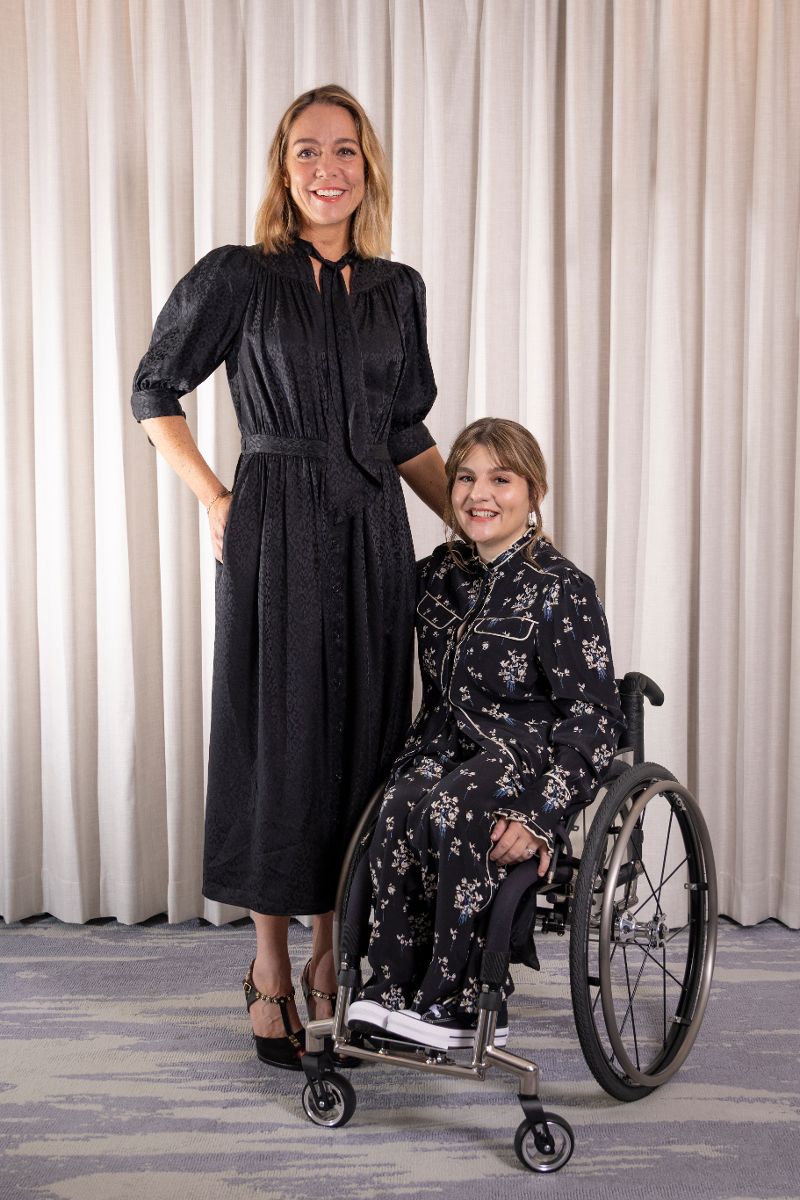
Madeley understood that quality because it’s one she shares, and has needed, herself, in an industry so averse to those with disabilities.
“I’m very stubborn, very determined,” Madeley says. “If I want to make something happen, I make it happen. I would love to say I’m as good as Judy. I’m absolutely not and I’m still working on that. But she said so many things in the book where I thought, ‘Yeah, I’ve said that several times in my life.’”
The movie’s title comes from Heumann’s 2020 autobiography, “Being Heumann: An Unrepentant Memoir of a Disability Rights Activist.” It was one of many resources for Madeley, who filled her days, and sometimes nights, with videos of Heumann speaking.
“I listened to her before I went to sleep,” she says.
Heumann remains much on the minds of Madeley and Heder. The movie's release has been an ongoing negotiation of accessibility for her cast, in promotional appearances and theater showings. Heder has continually asked herself: “What would Judy do?”
“I think about her all the time,” says Heder. “I hope she would be proud of the movie and the way that we made it.”