Global carbon pollution dropped this year ever so slightly, but it's more because of oil shocks reverberating from the Iran war than anything the world has done to fight climate change, scientists said in a new study.
In 2026, the world emitted 42.2 billion tons (38.2 billion metric tons) of heat-trapping carbon dioxide from the burning of fossil fuels such as coal, oil and gas. It’s a 0.4% decrease from last year, according to the scientists of the Global Carbon Project.
Get The Latest News!
Don't miss our top stories and need-to-know news everyday in your inbox.
“It’s downwards which sounds good, but this is largely driven by the war in Iran, what’s happened in the Strait of Hormuz,” said study co-author Glen Peters, a scientist at the CICERO Center for International Climate Research in Norway. “So in a way, a little bit of good news, but for the wrong reasons.”
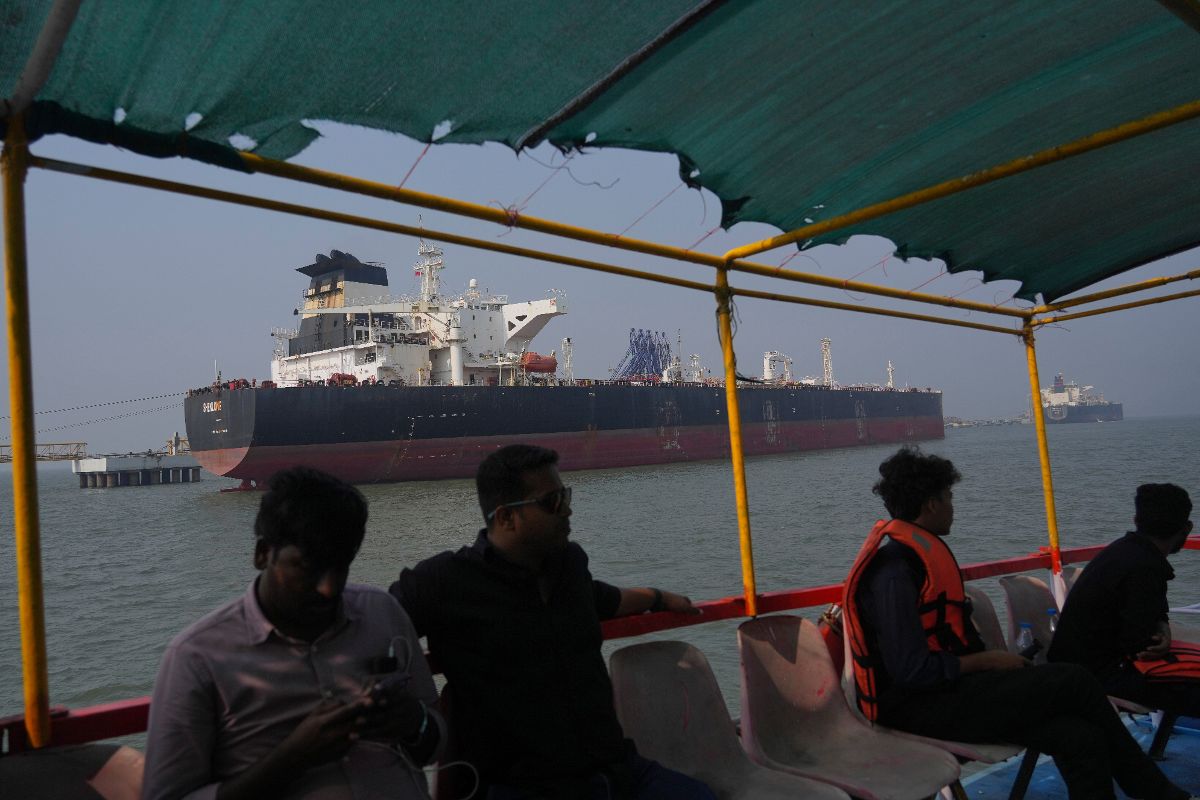
The war in Iran has effectively closed the Strait of Hormuz, a vital shipping artery for petroleum products, pushing up global prices of gasoline and oil.
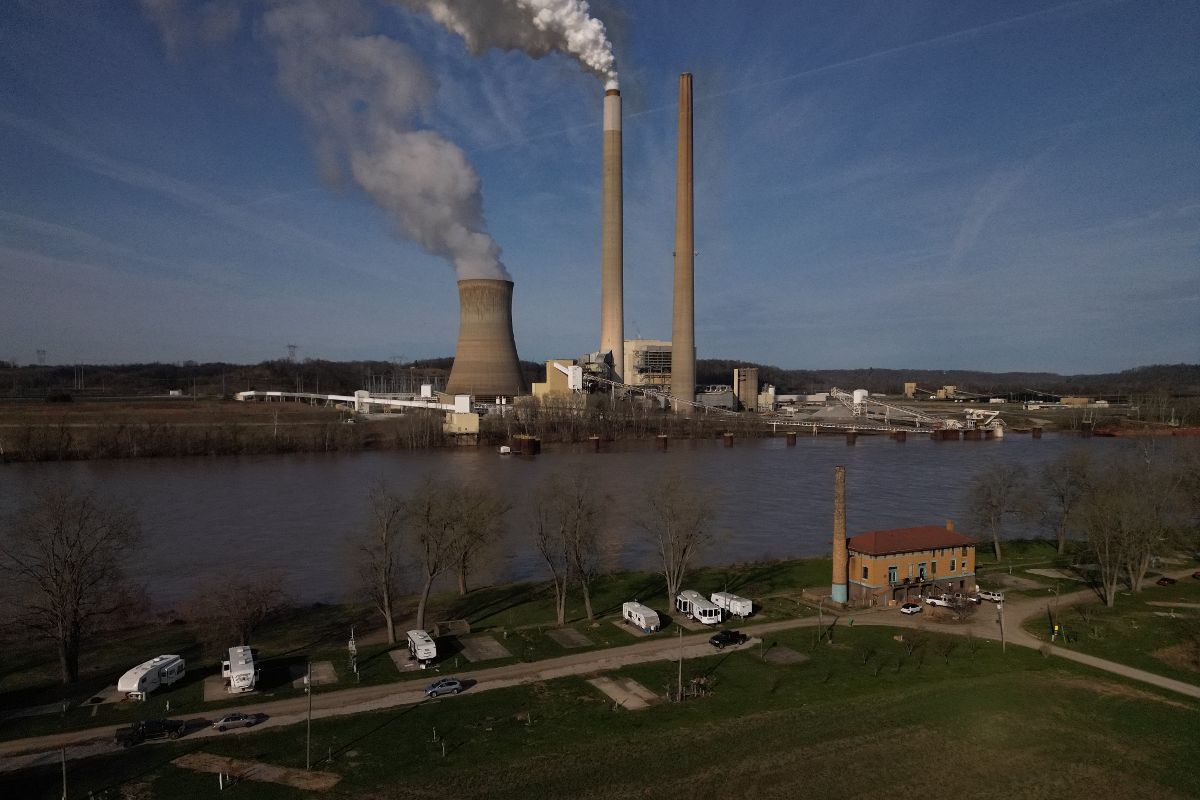
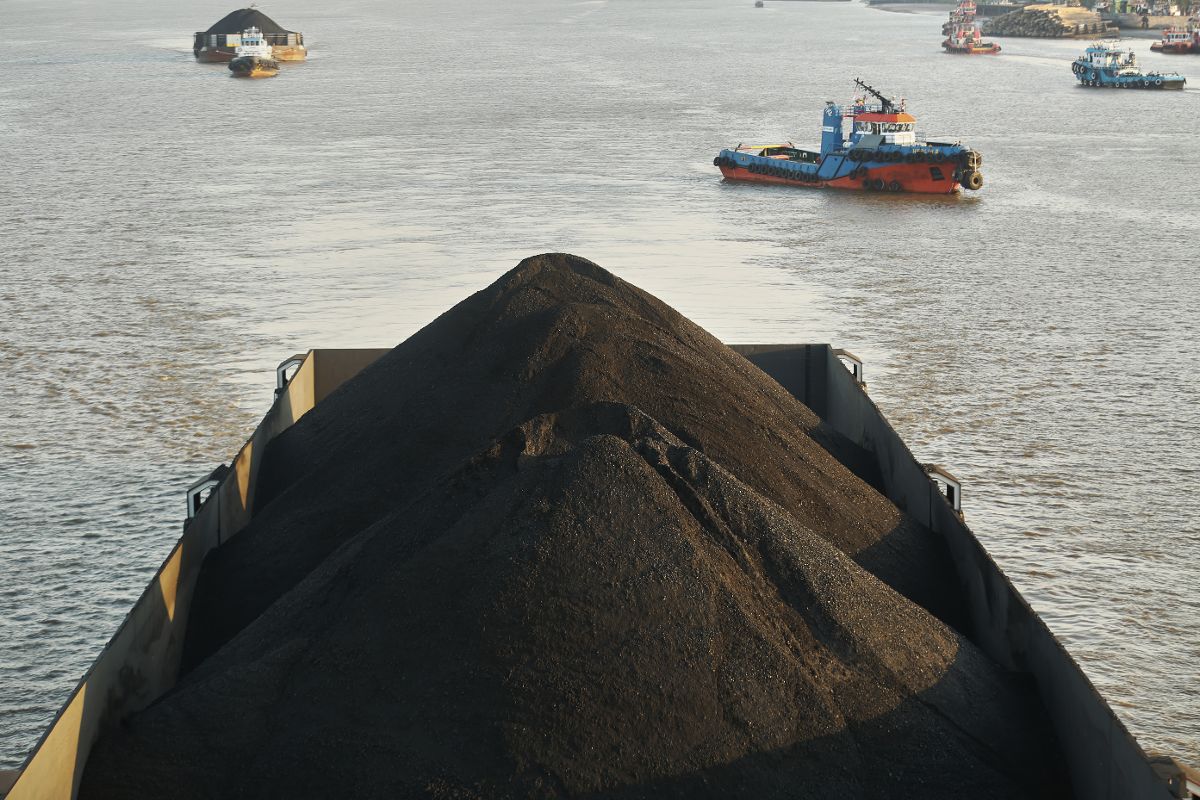
They found oil emissions dropped nearly 2% and natural gas fell 0.3%, while coal was up 0.6%.
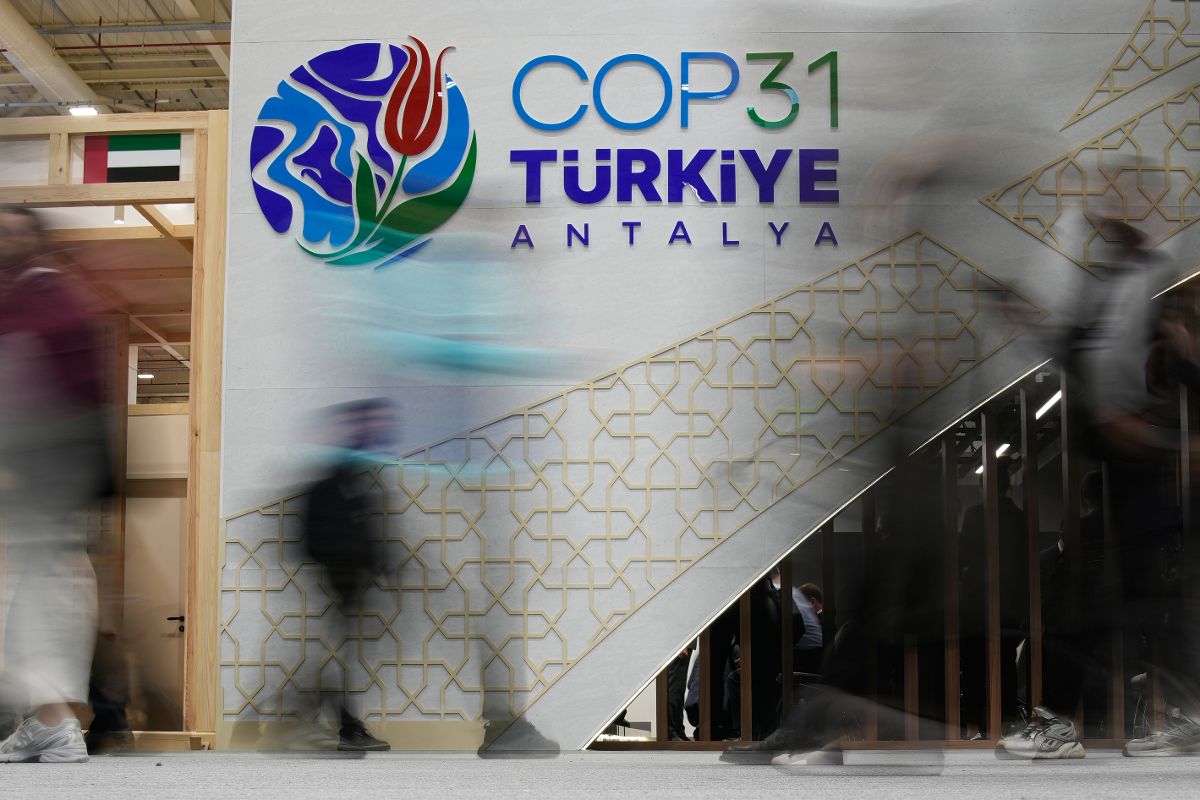
The international team of more than 140 scientists uses data from around the world to calculate the yearly emissions figure, with estimates for the last few months of the year, and then present them at the U.N. climate negotiations in Antalya, Turkey. Their findings were also published in the journals Earth System Science Data Discussions and Nature Climate Change. Peters said they are certain that this was related to the war-triggered energy shocks because of both the timing and type of fuel emission drops.
If the overall carbon dioxide emission drop were due solely to a rise in renewables and a systemic drop in fossil fuel use, oil emissions “would slowly come up to a peak and then slowly decline afterward, whereas what we see this year is oil emissions are going up and then suddenly BANG, down 2%,” Peters said.
This is the third time global carbon pollution dropped in the 21st century. The other two times were because of the global recession in 2009 and the COVID-19 pandemic in 2020.
In those past two crises, people hoped the recovery from the shocks would emphasize clean energy, Peters said, "but at the end of the day, we seem to go back to where we were before.”
Outside experts greeted the figures with a mix of hope and skepticism that it will last.
Niklas Höhne, co-founder of Germany’s NewClimate Institute, said “permanent shifts are happening” especially with skyrocketing switches to electric cars and trucks, especially in Asia. So he thinks the global peak of carbon emissions is near or here.
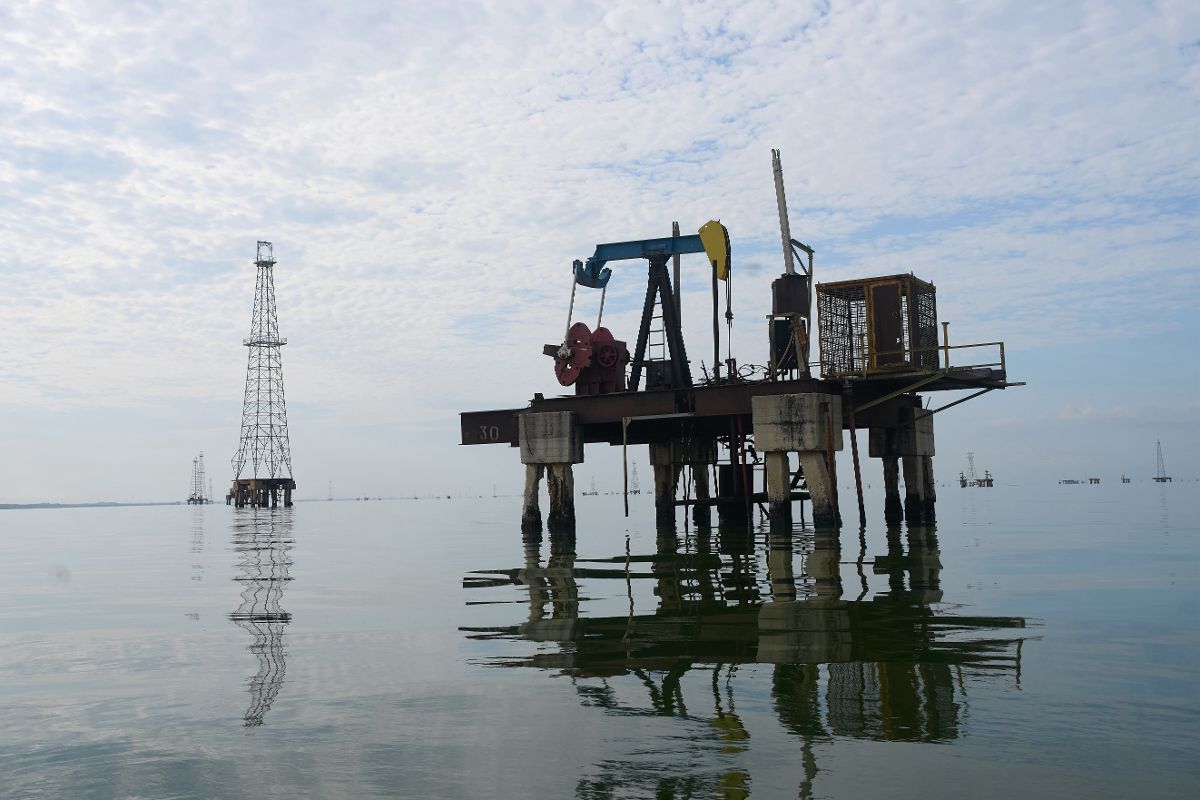
But Malte Meinshausen, a climate science and policy expert at the University of Melbourne in Australia, said oil producing nations and companies not affected by the blockage of the Strait of Hormuz reaped “tremendous windfall gains,” and it boosts their efforts to look for oil outside the Middle East. That, he said, will dampen any short-term effects of reduced carbon emissions from the war.
The 42 billion tons of carbon dioxide emitted this year comes to about 1,335 tons (1,211 metric tons) of the transparent, heat-trapping gas going into the air every second.
“We shouldn’t lose sight of the bigger picture. The world is still pumping more than a thousand (metric tons) of carbon dioxide into the atmosphere every second," Mohamed Adow, director of the environmental group Power Shift Africa, said in an email.
“It’s very abstract to think about the magnitude of stuff we throw in the atmosphere every year, but it’s a ginormous number,” Peters said. “If it was black and not transparent, the sky would be dark.”
And even though the amount of heat-trapping gases from fossil fuels dropped slightly, overall global carbon dioxide emissions went up 1%. That's because of land use changes, such as deforestation and human-caused peat fires, that increased faster than fossil fuel burning decreased, the study said.
Most of the world's biggest carbon polluting nations — China, the United States, Europe, Japan — showed about a 1% drop in emissions this year, but Peters attributed it to the oil shock. India's fossil fuel pollution went up 4.4% this year, the study found.
China's emission drop raised eyebrows and hope for some experts. Experts have been waiting for China's ever-growing emissions to start dropping.
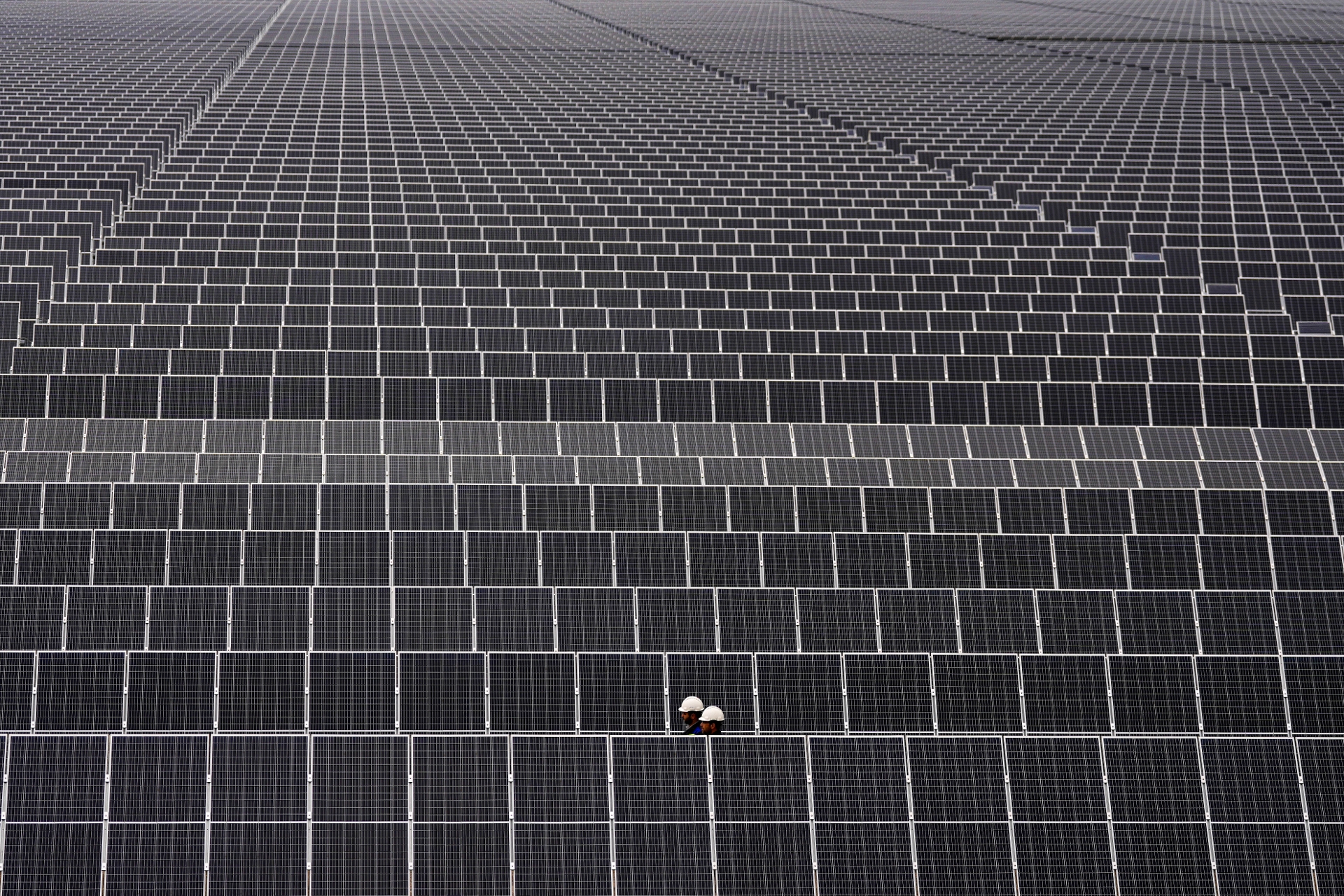
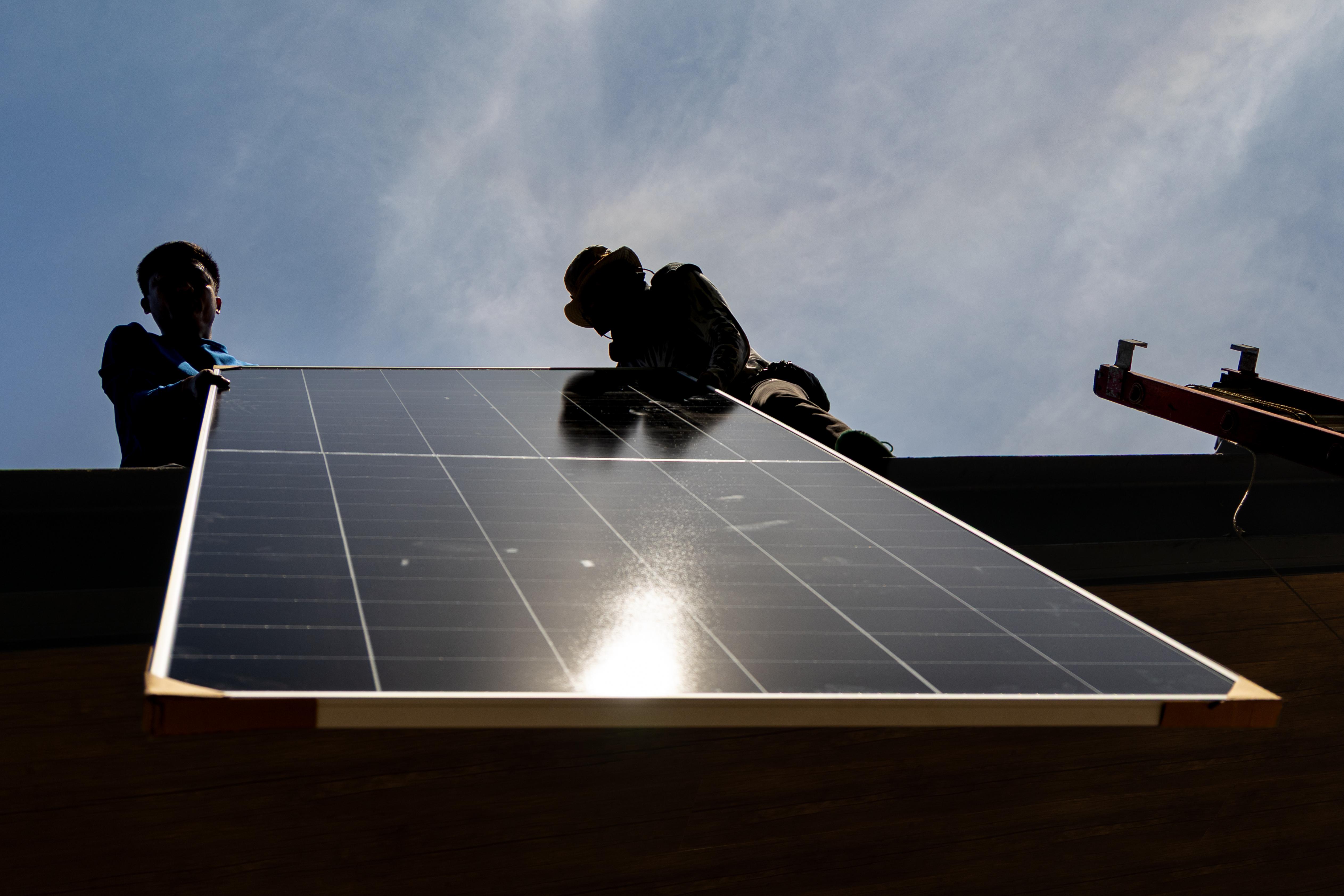
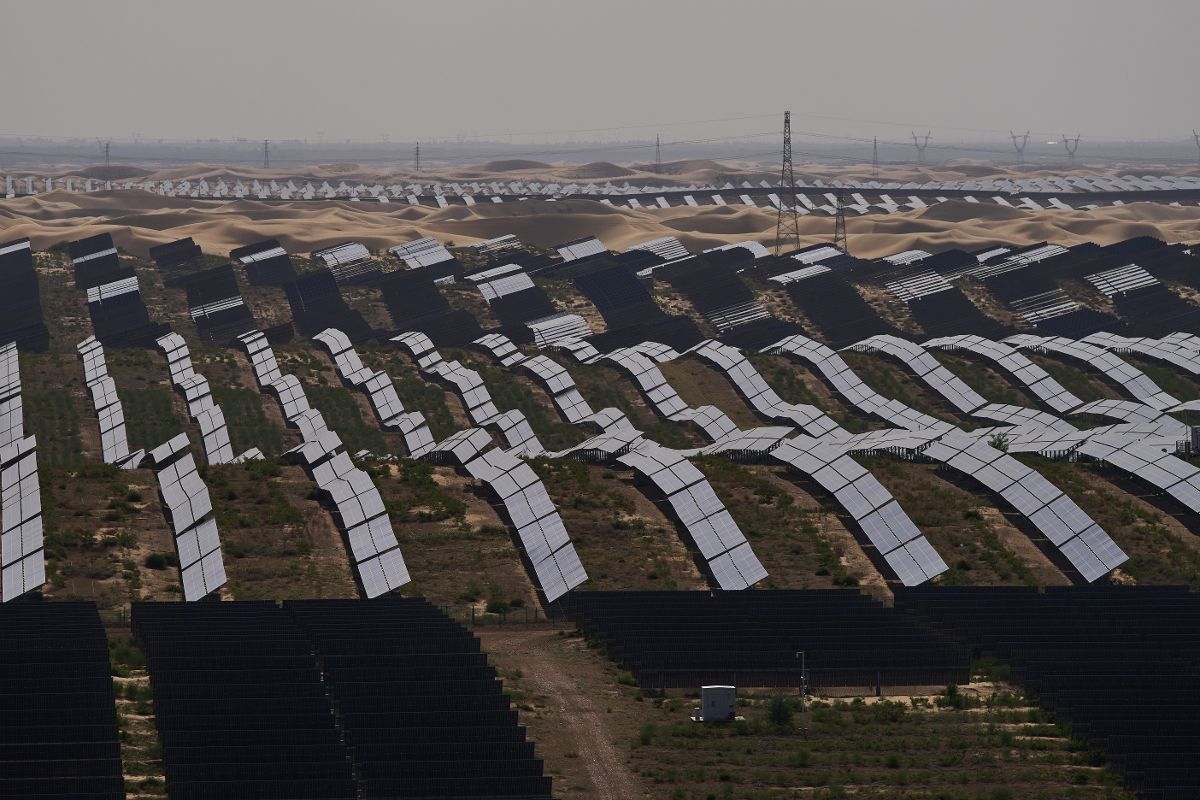
“China is giving us real reasons to be optimistic that its emissions may have peaked," Adow said. “It’s building the world’s first major electrostate, investing at extraordinary speed and scale in solar power, wind energy, electric vehicles and the infrastructure to support them. This isn’t a temporary response to an oil crisis. It’s a fundamental transformation of China’s economy that is steadily reducing its dependence on fossil fuels.”
University of Michigan environment dean Jonathan Overpeck said, “We're not phasing out fossil fuels fast enough, but some progress is better than no progress.”
___
The Associated Press’ climate and environmental coverage receives financial support from multiple private foundations. AP is solely responsible for all content. Find AP’s standards for working with philanthropies, a list of supporters and funded coverage areas at AP.org.