ANTALYA, Turkey (AP) — Five countries have backed a plan to double the number of homes with rooftop solar panels worldwide by 2030, as U.N. climate talks in Turkey focus on expanding access to electricity and transitioning away from fossil fuels.
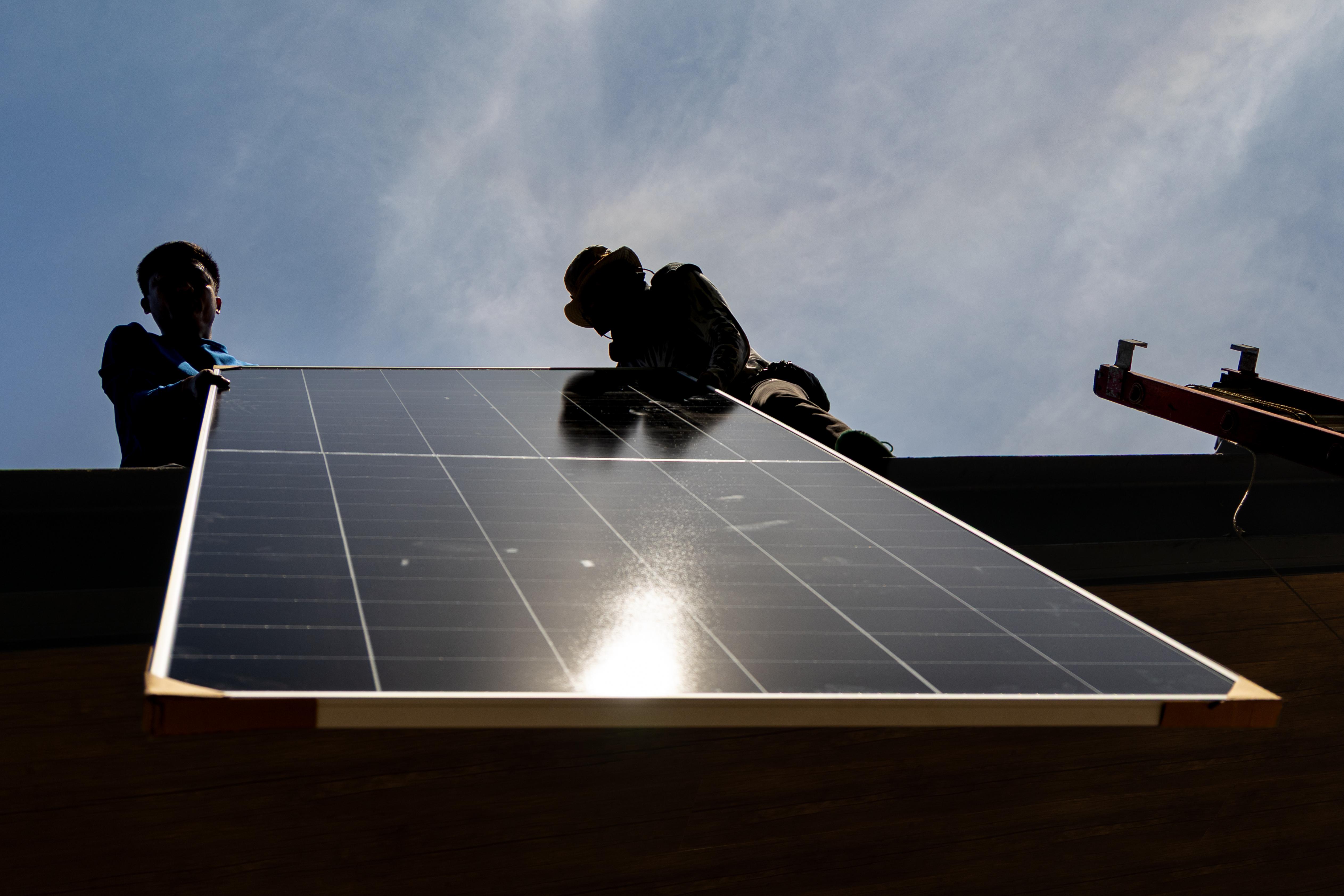
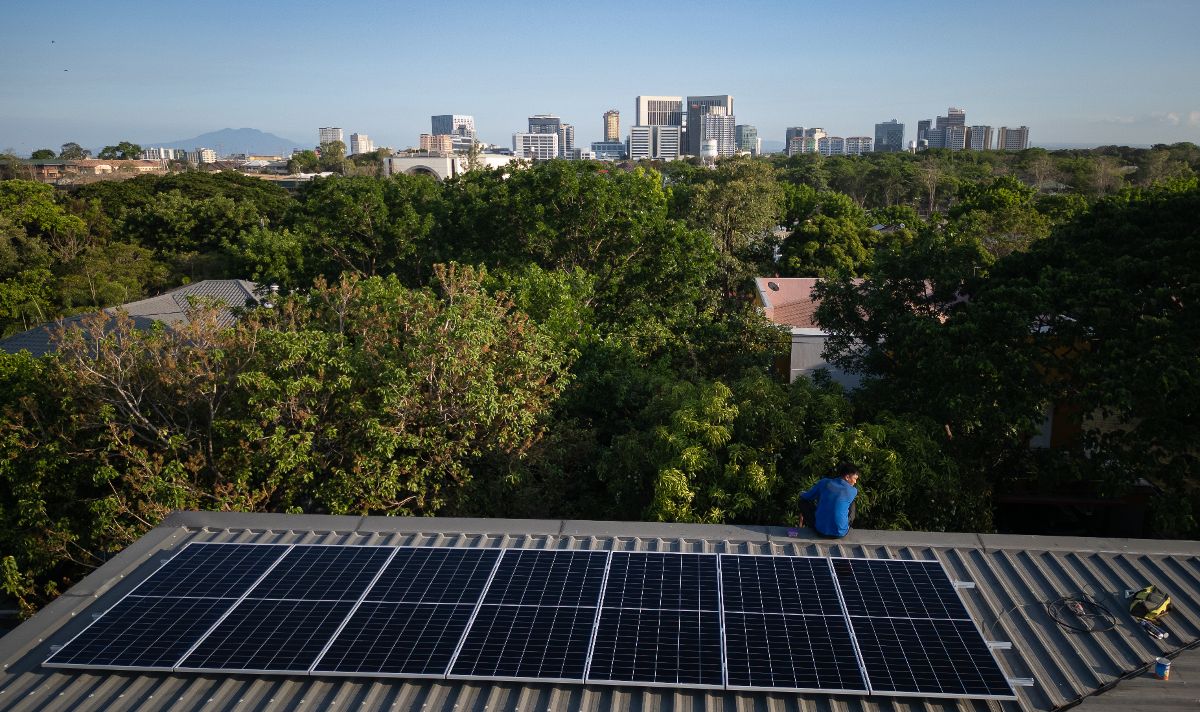
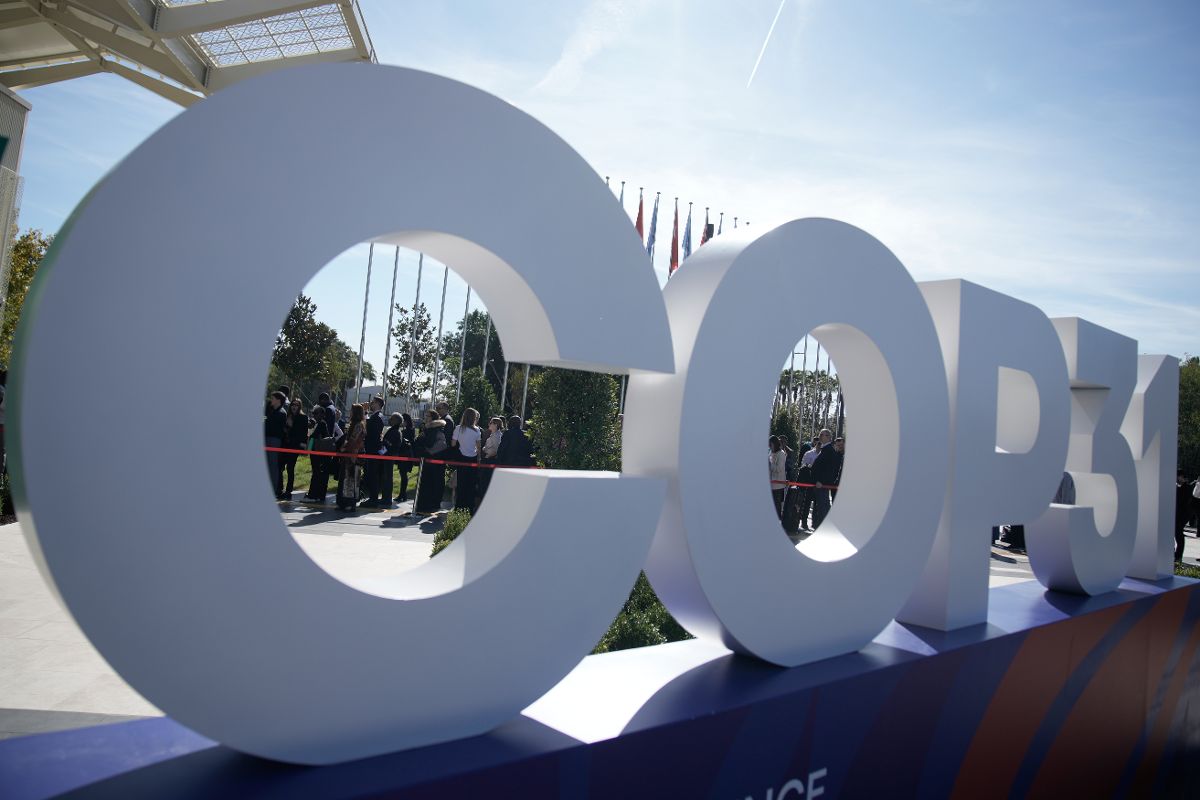
The new Global Rooftop Solar Declaration launched Tuesday on the second day of this year’s climate talks, known as COP31. The aim is to double the number of homes with rooftop solar panels from about 150 million today to at least 300 million by 2030.
Get The Latest News!
Don't miss our top stories and need-to-know news everyday in your inbox.
“This is the future of affordable energy," said Sonia Dunlop, CEO of the Global Solar Council. "This is the way we can help average working people insure themselves from future price rises to come.”
COP31 comes after a year of deadly climate-related disasters and as concern grows that governments are not doing enough to curb global warming. Recent energy shocks from the Russia-Ukraine war and Iran war have also increased interest in renewables.
The U.N. climate talks have been criticized in the past for making promises that later fall flat. For rooftop solar goals to actually make a dent in the emissions contributing to climate change, experts said policies to upgrade power grids and subsidize solar panels and batteries must quickly follow.
“The pledge is a pledge," said Bruce Douglas, CEO of the Global Renewables Alliance. “We now need to see national policies and frameworks in place.”
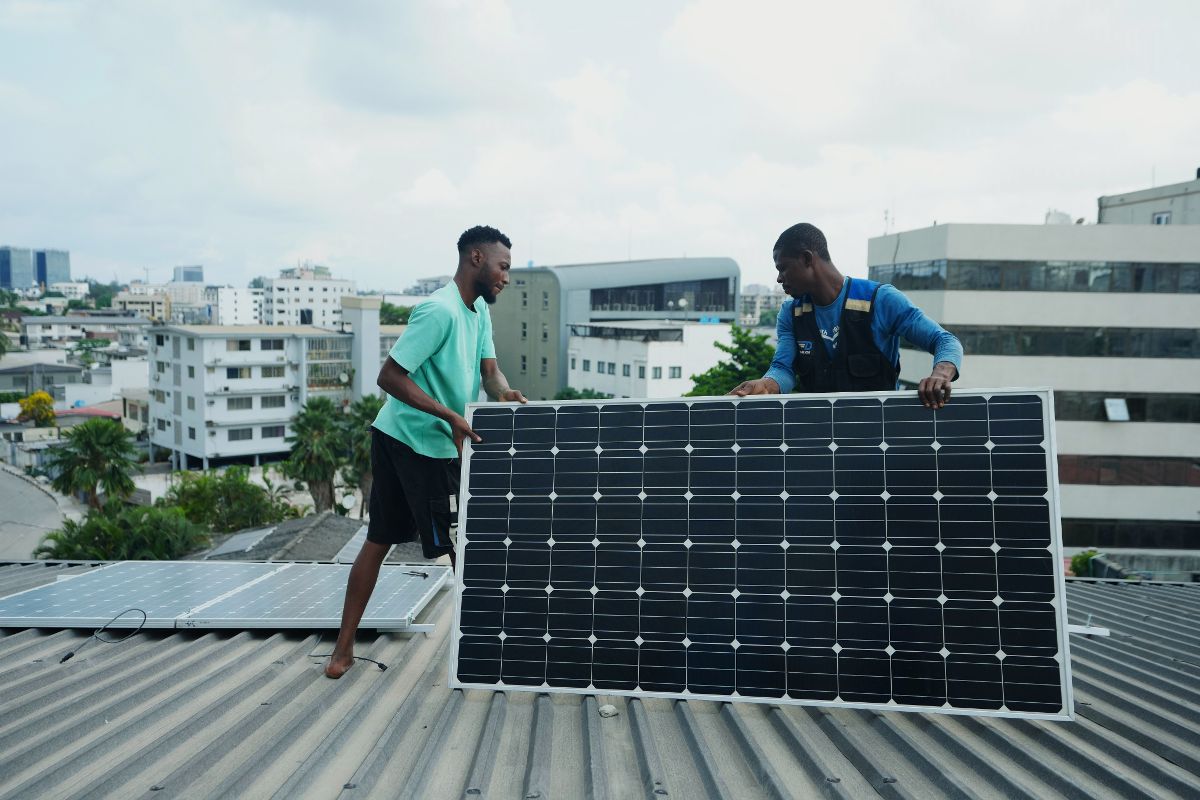
Bangladesh, Kenya, Nigeria and Vanuatu joined Australia by endorsing the rooftop solar declaration in the Turkish resort town of Antalya, where COP31 is being co-hosted by Turkey and Australia.
Lawmakers from 21 other countries — including the United Kingdom, South Africa and Sri Lanka — have also endorsed it. So has Indonesia’s state-owned electric power company Perusahaan Listrik Negara.
The declaration is voluntary and non-binding, like many of the agreements made at U.N. climate talks.
“We know the world is currently facing the greatest energy cost of living crisis the world has ever seen," Dunlop said. “We know that families all over the world are struggling to pay their bills and what we are saying with the Global Rooftop Solar Declaration is that we have a solution that will bring down your bills."
Electrification is a cornerstone of this year's talks, with Turkey pushing for electricity — preferably from renewables like solar and wind — to make up 35% of global energy consumption by 2035.
“Electrification by itself is incredibly beneficial because of the efficiency gains. Renewables by themselves, again, very beneficial. Put the two together and it is really a killer combination,” Douglas said.
Turkey's electrification pledge and Australia's rooftop solar declaration put a spotlight on the energy mix of both nations, which still rely heavily on fossil fuels.
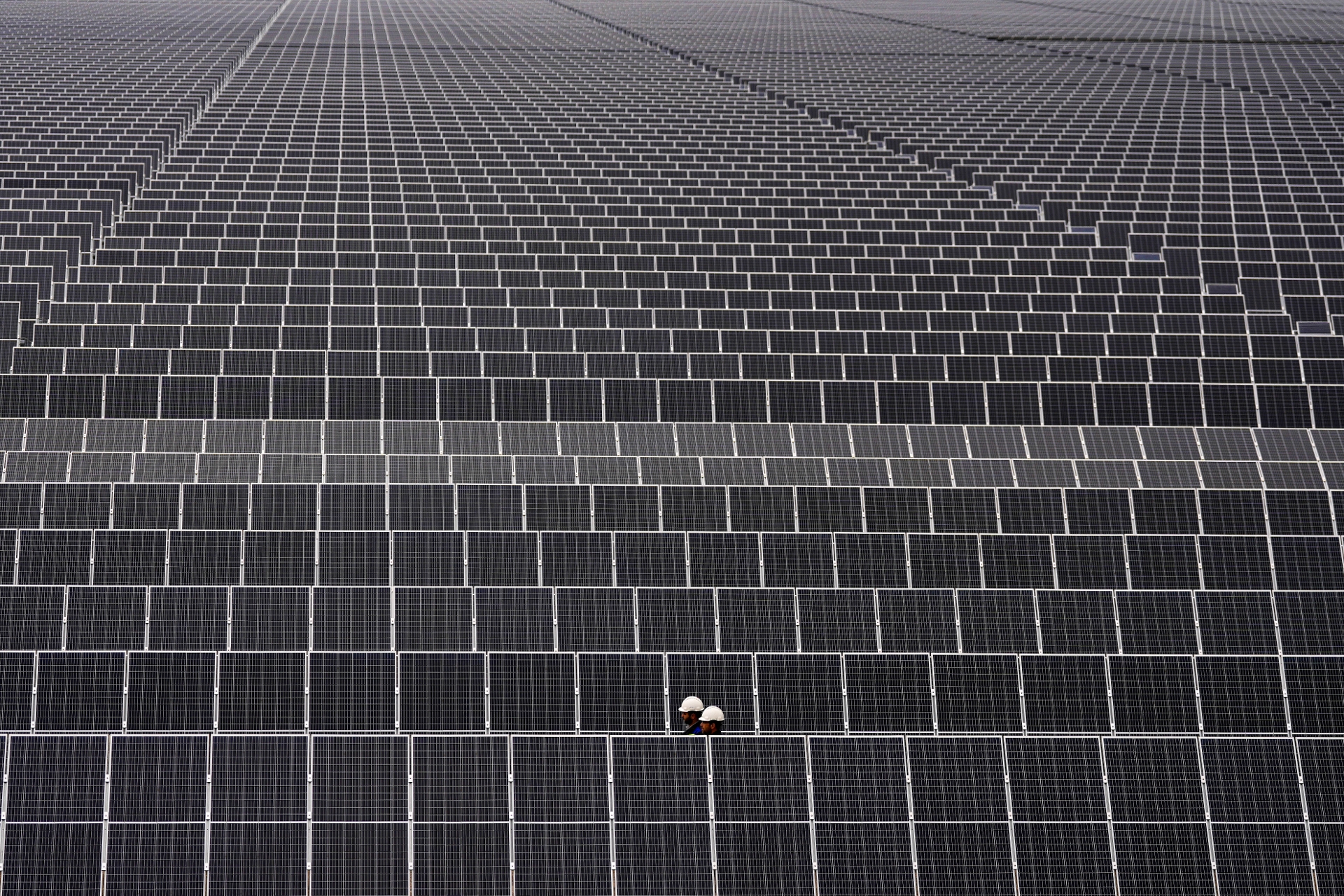
In Turkey, home to one of Europe's largest solar farms, solar and wind make up nearly 23% of energy generation. But coal was still the country’s largest source of electricity last year, accounting for 33% of generation, according to Turkey’s Ministry of Energy and Natural Resources.
In Australia, one in three homes has rooftop solar and more than 700,000 homes have batteries to store excess energy. But coal still makes up more than 40% of electricity generation in Australia, which is also one of the world's largest coal exporters.
“Setting ambitious renewable targets without addressing grid capacity, storage and the continued role of coal risks undermining energy security, reliability and affordability," said Michelle Manook of FutureCoal, an industry-backed group formerly known as the World Coal Association.
The tension between renewable rollouts and continued coal use is mirrored in the world's most populous countries, China and India. They have both installed record-breaking amounts of renewables, but sometimes lose the energy because of insufficient transmission and storage capacity.
“Energy storage deployment must catch up with the speed of renewables deployment," said Nikit Abhyankar, with the India Energy and Climate Center at the University of California, Berkeley.
"Otherwise, it creates massive operational challenges for the grid, resulting in significant curtailment," he said, referring to the practice of limiting electricity output because the grid cannot handle it.
Rooftop solar panels are often decentralized from power grids, meaning that electricity is generated, stored and managed near where it is consumed, rather than coming from distant power plants.
This makes solar ideal for remote communities and hard-hit areas, like refugee camps and disaster zones.
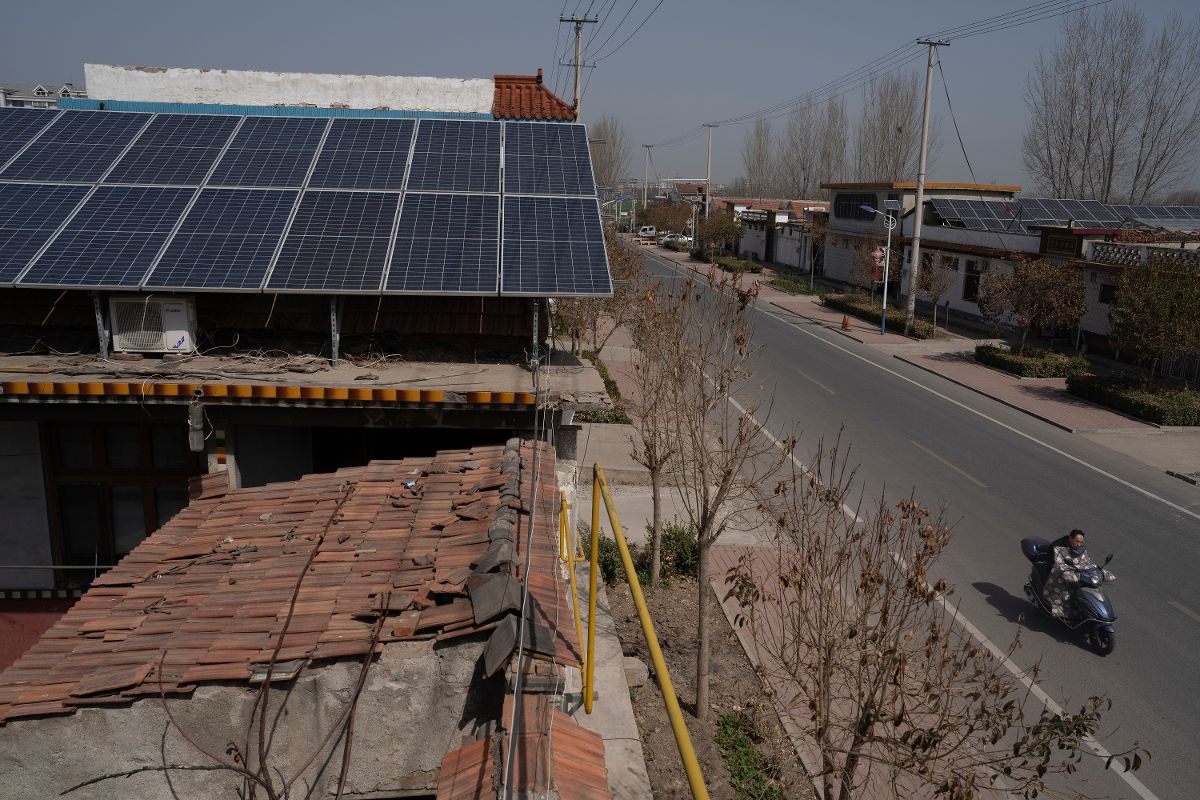
Renewables, largely driven by solar from China and India, generated more than a third of the world's electricity last year, overtaking coal for the first time.
The Iran war's energy shock has also spurred solar interest in energy-hungry regions, like Southeast Asia, which was hit hard by the closure of the Strait of Hormuz and sent into a state of energy triage.
Indonesia pledged to install 100 gigawatts of solar power by 2029. Thailand and Vietnam are offering subsidies for rooftop solar installations, and the Philippines became the second-largest destination for Chinese solar exports in the first quarter of 2026.
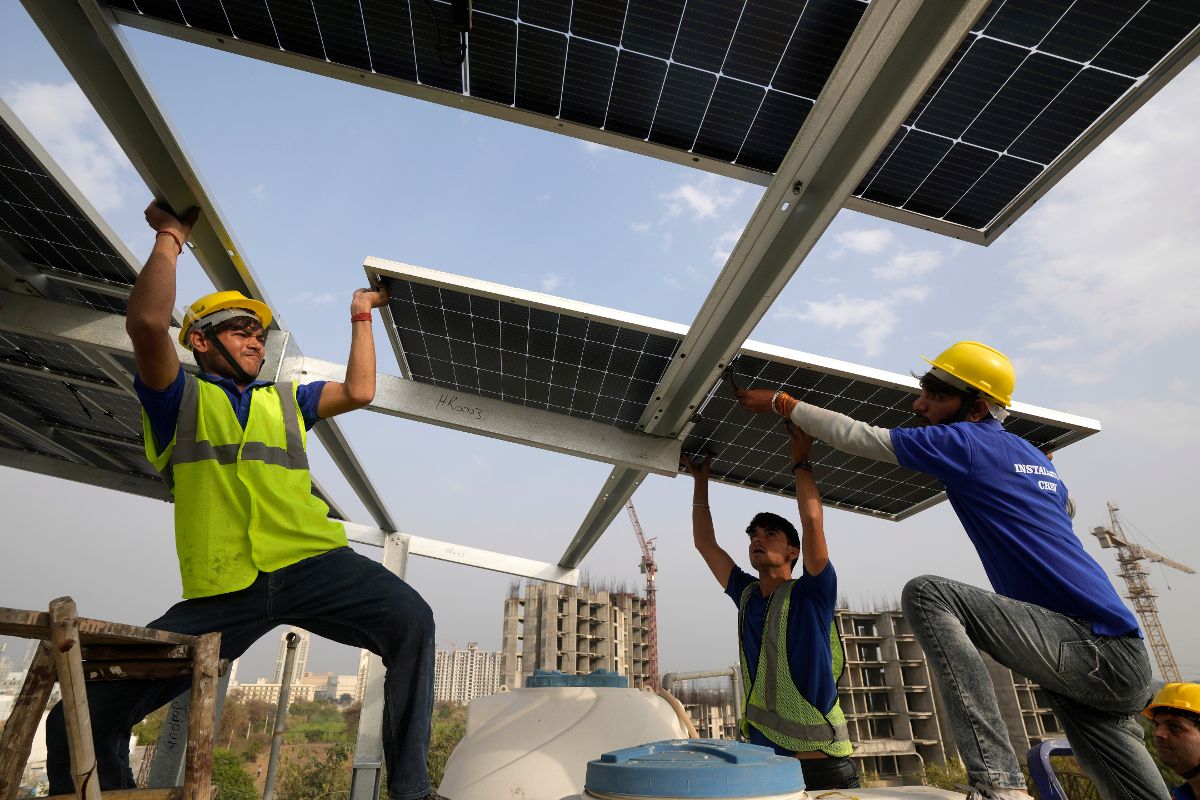
National policies must swiftly follow the COP31 promises to address issues like the funding of subsidies for consumers, clearer policies for solar companies and the availability of qualified installers, according to Sheryl Estella, with the nonprofit New Energy Nexus in the Philippines.

“This is an opportunity that we should not waste,” she said. “This is the biggest wave of interest in rooftop solar that we have seen so far.”
___
Delgado reported from Bangkok and Arasu from Bengaluru, India.
___
The Associated Press’ climate and environmental coverage receives financial support from multiple private foundations. The AP is solely responsible for all content. Find AP’s standards for working with philanthropies, a list of supporters and funded coverage areas at AP.org.