CAPE CANAVERAL, Fla. (AP) — NASA’s Voyager 1 is about to become humanity’s first object to reach one light-day from Earth as it pushes ever deeper into interstellar space.
That’s a mind-blowing distance of more than 16 billion miles (26 billion kilometers) for the spacecraft launched 49 years ago.
Get The Latest News!
Don't miss our top stories and need-to-know news everyday in your inbox.
When Voyager 1 reaches that remarkable milestone on Wednesday, its radio signals will take precisely 24 hours traveling at the speed of light to reach Earth — in other words, one light-day. NASA is looking at another 18,000 years before the spacecraft achieves a full light-year and more than double that before it comes near another star.
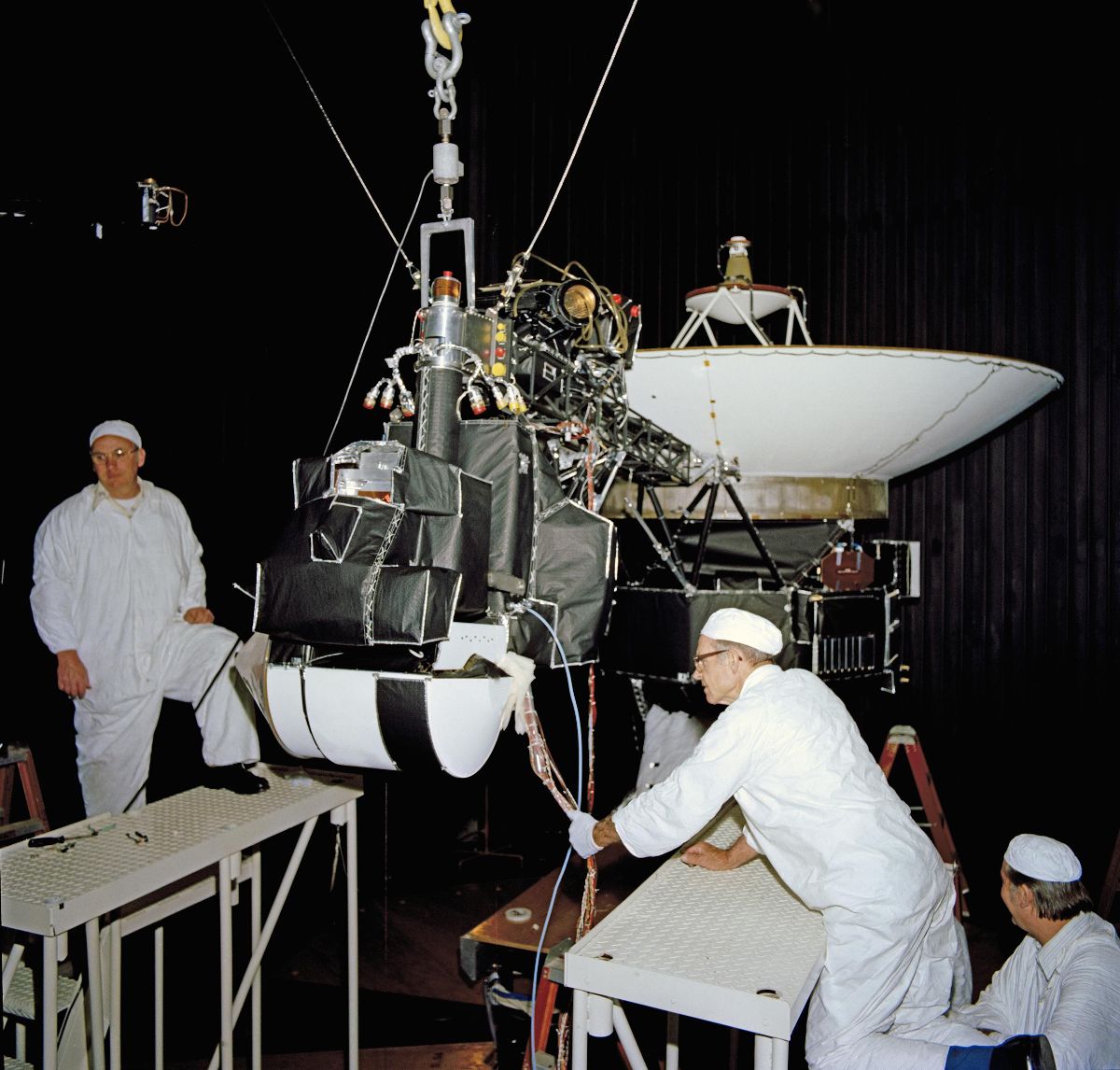
Project manager Suzanne Dodd sees Voyager 1 as Earth's ambassador hurtling between stars while providing a “sense of wonder” on the home front.
“It's a national treasure,” she told The Associated Press. “Really extraordinary.”
To celebrate this moment, NASA is urging people from all corners to grab their phone or a flashlight to create a wave of golden light after sunset Tuesday, using Morse code to spell the letters V-G-R, Voyager's call sign, into the night sky.
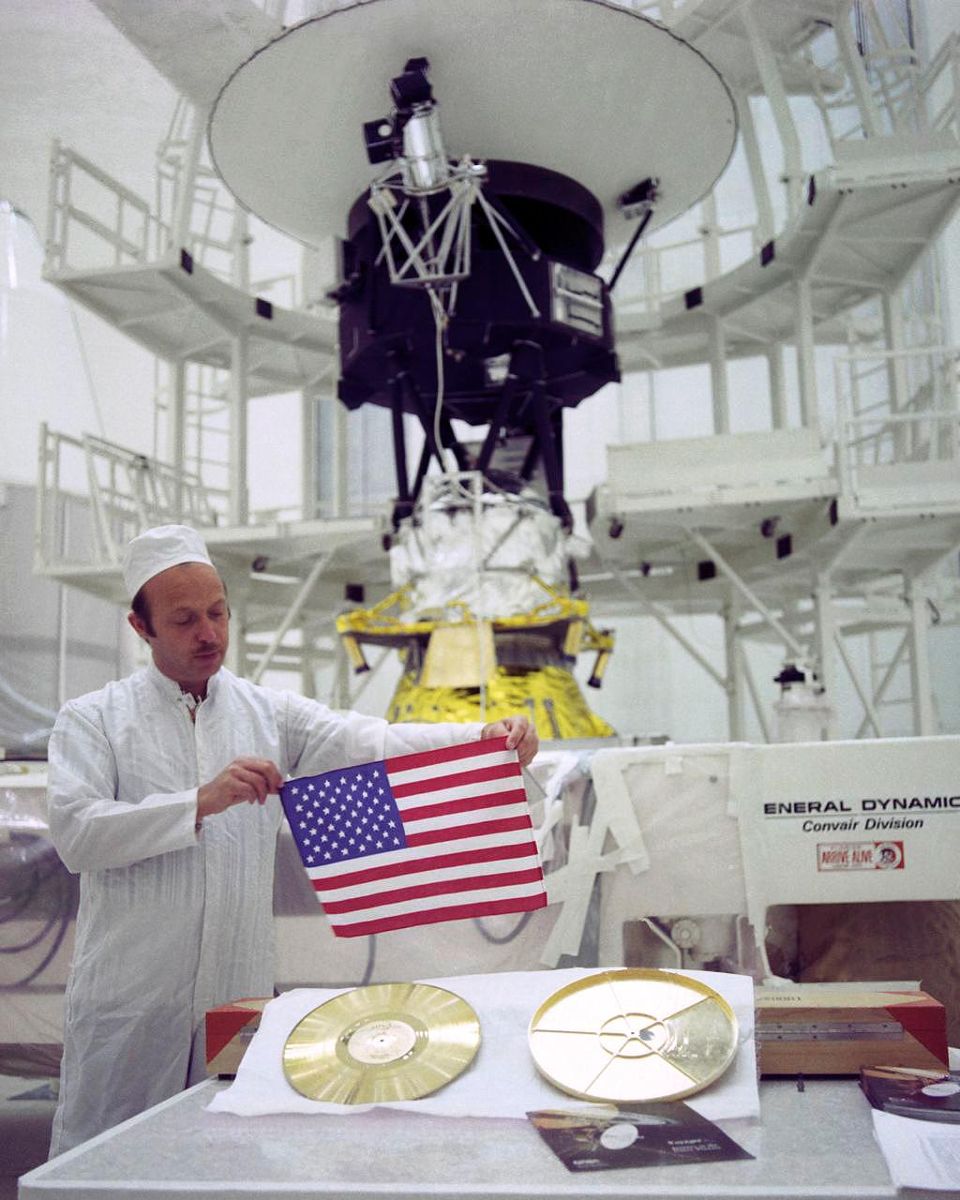
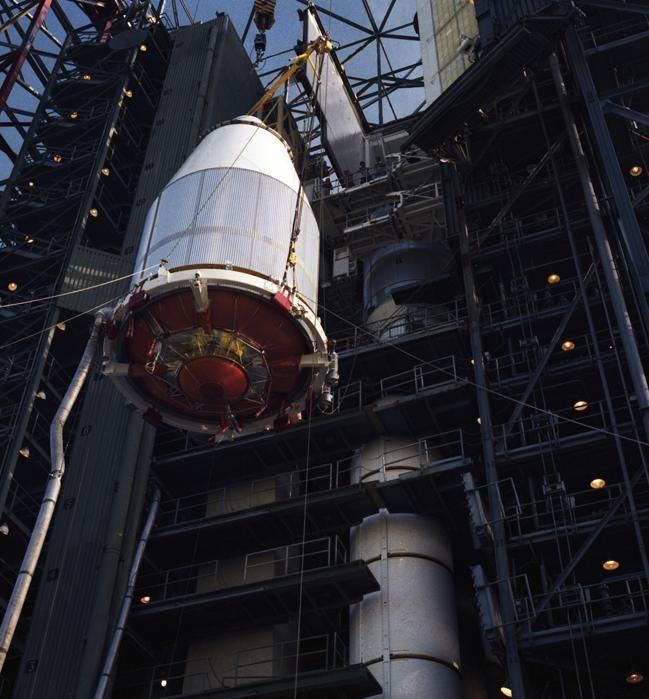
Despite sporadic problems typical of old age, Voyager 1 and its twin Voyager 2 continue to send back science and engineering data as they zoom toward different points in space at 38,000 mph (61,000 kph). Although launched two weeks before its sibling in 1977, Voyager 2 won't reach the one light-day mark until 2035.
Voyager 1 swept past Jupiter and Saturn to scientists' delight in 1979 and 1980, respectively, before exiting the solar system. It reached what NASA defines as interstellar space — the expansive region between star systems — in 2012. Voyager 2 visited those two planets plus Uranus and Neptune, also sending back stunning photos, before entering interstellar space in 2018.
Almost every day, the Voyagers beam back details about their never-before-explored environment: the strength and direction of the magnetic field as well as tidbits about the surrounding pressure, dust and galactic cosmic rays. They're a bit like weather satellites, according to Dodd, who's worked with the Voyagers since 1984.
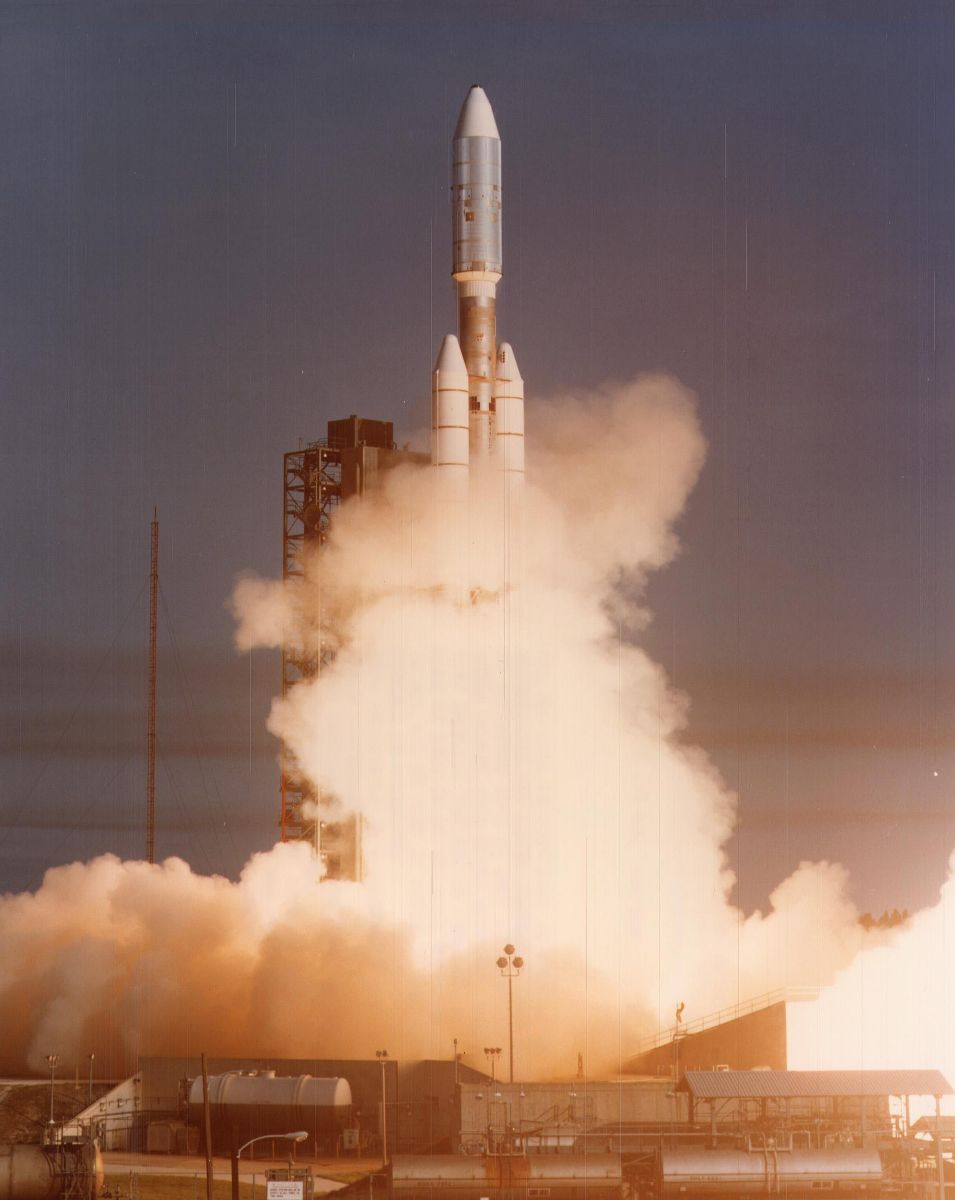
The skeleton flight control team at NASA's Jet Propulsion Laboratory in Pasadena, California, sends commands about once a week. The operation ramps up when spacecraft problems arise, with help sometimes coming from a couple of retirees who once worked on the project.
In September, controllers completed the latest power-conserving effort for the plutonium-powered spacecraft, then in October briefly lost contact with it. They're still trying to figure out why communication was disrupted.
All this expertise and love have kept Voyager 1 chugging along like “the little engine that could,” according to Dodd, while racking up entries in Guinness World Records. Besides venturing farther than any other human-made object, Voyager 1 in 1990 snapped the most distant picture of Earth: the iconic “Pale Blue Dot” as seen from beyond Neptune.
“On that blue dot, that's where everyone you know and everyone you ever heard of and every human being who ever lived, lived out their lives. It's a very small stage in a great cosmic arena,” Cornell University astronomer Carl Sagan, part of the imaging team, said as he introduced the picture to the world in 1990.
While the majority of people alive today were not yet born when the Voyagers launched, “all of us — everyone on Earth — have been touched by these missions,” the Planetary Society's Bill Nye said in a statement. The society was co-founded in 1980 by Sagan, who died in 1996.
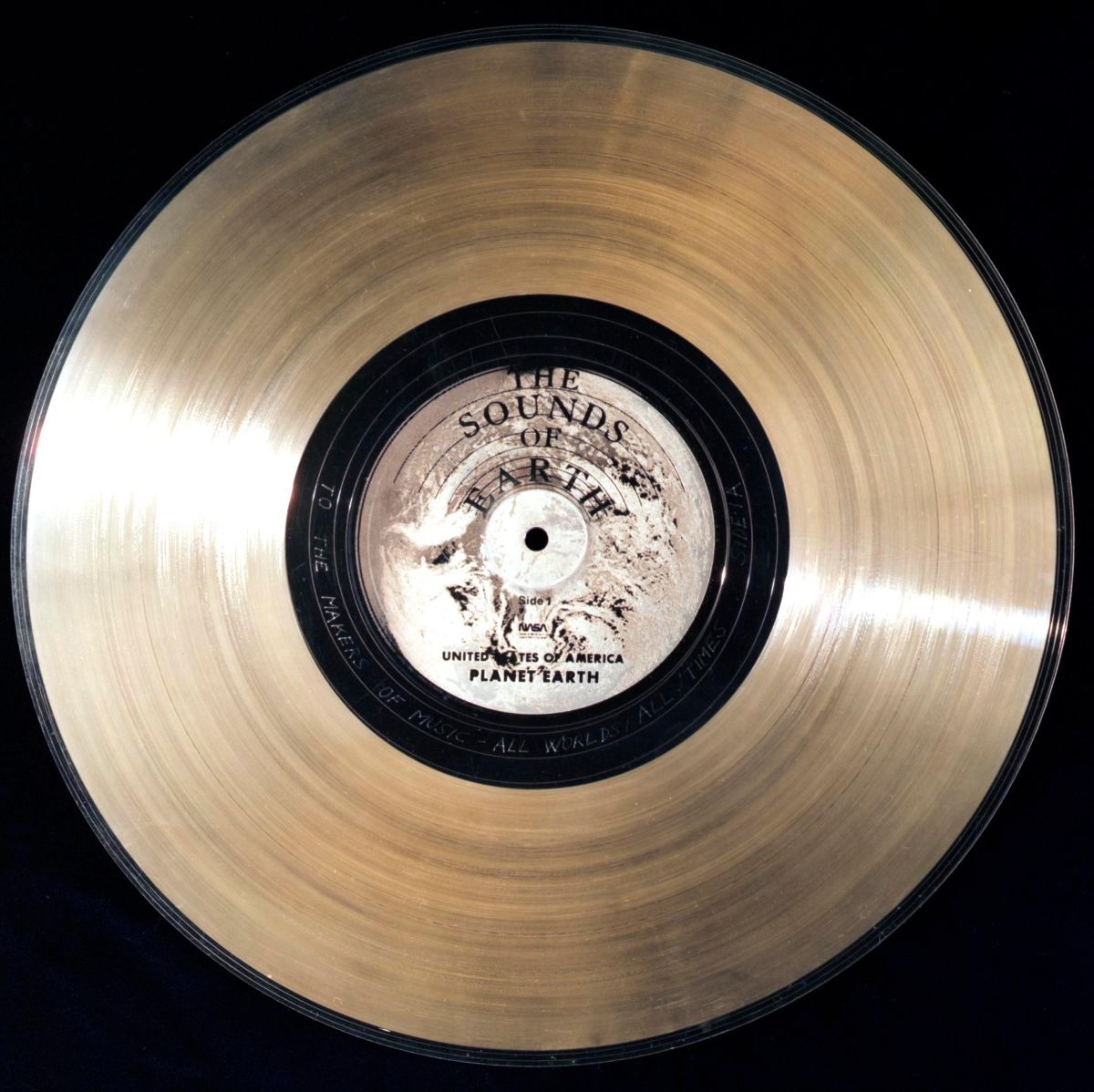
The Golden Record also resulted from Sagan's effort.
Each Voyager carries a 12-inch (30-centimeter) gold-plated phonographic record containing greetings in 55 languages as well as images and diagrams. Sagan included the voice of his son Nick, then 6: “Hello from the children on Planet Earth.” He added a stylus and instructions for any finders-keepers out there.
“It’s a time capsule of life on Earth from 1977,” Dodd said. “I hope something, someone, finds it maybe 1,000 years from now.”
___
The Associated Press’ health and science coverage receives financial support from the AP Fund for Journalism and private foundations. AP is solely responsible for all content. Find AP’s standards for working with philanthropies, a list of supporters and funded coverage areas at AP.org.