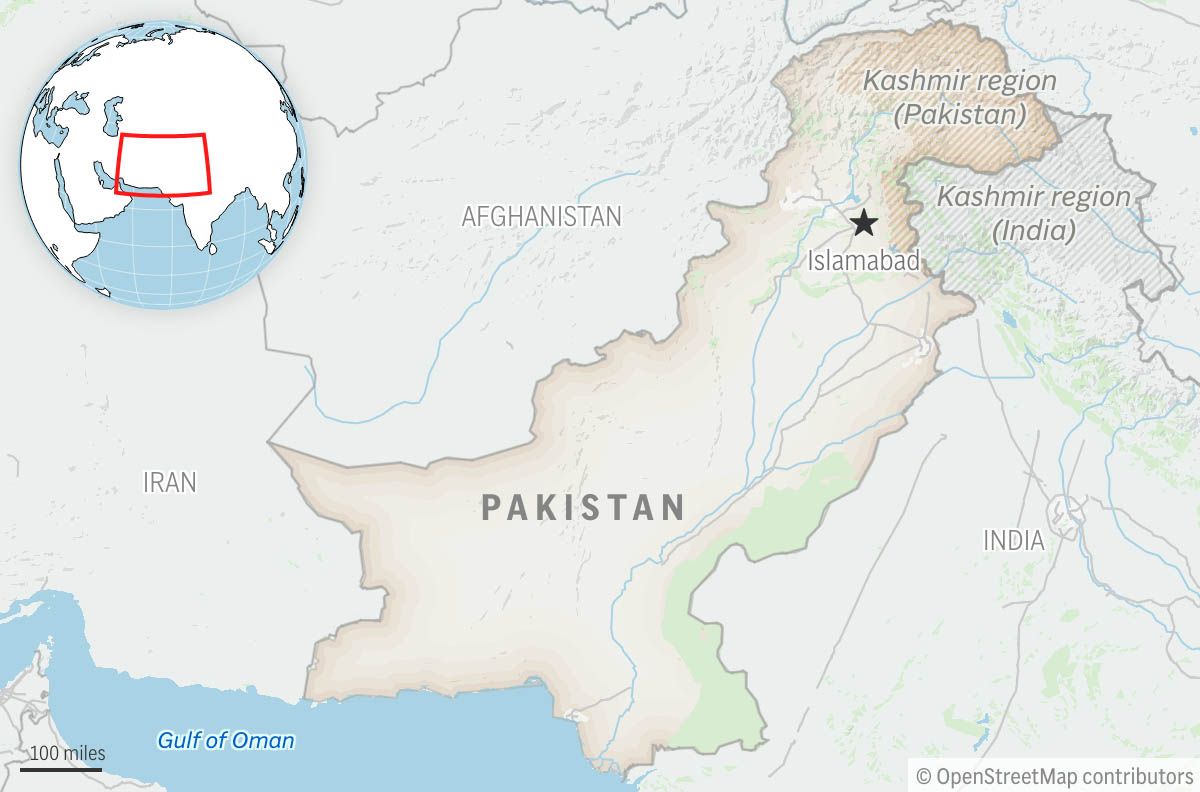
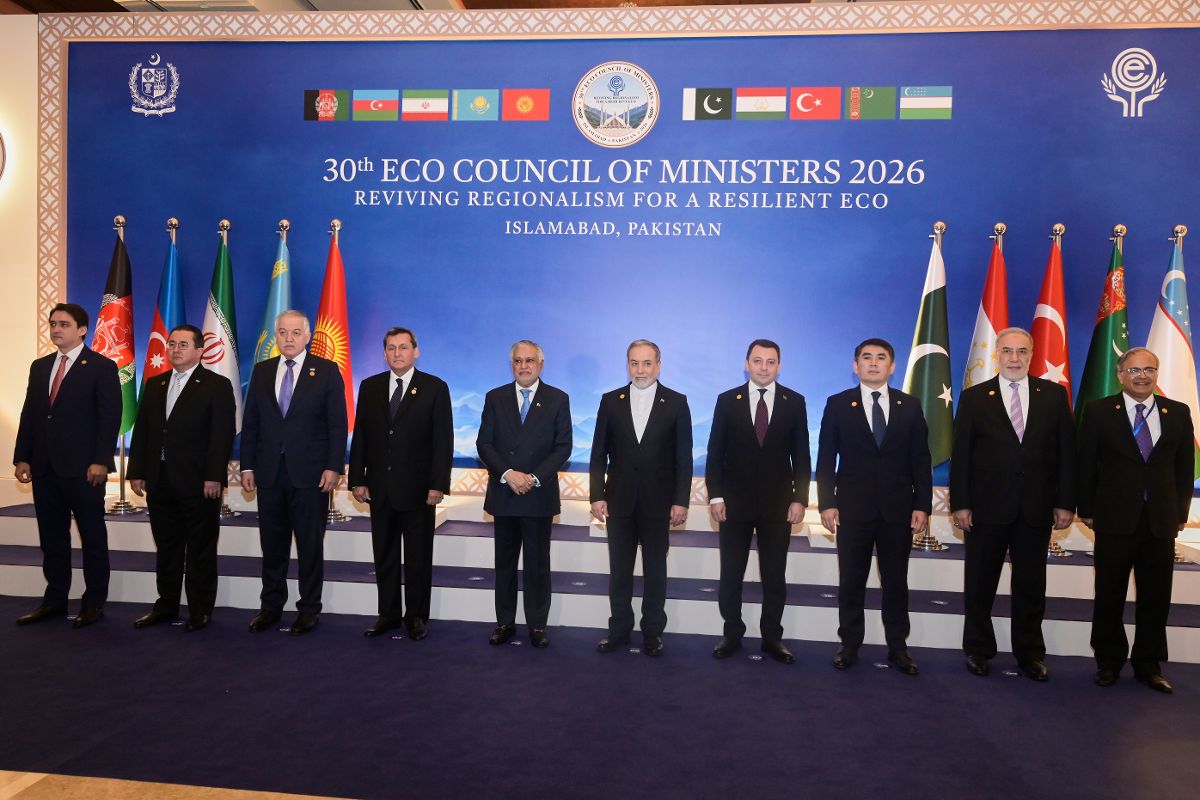
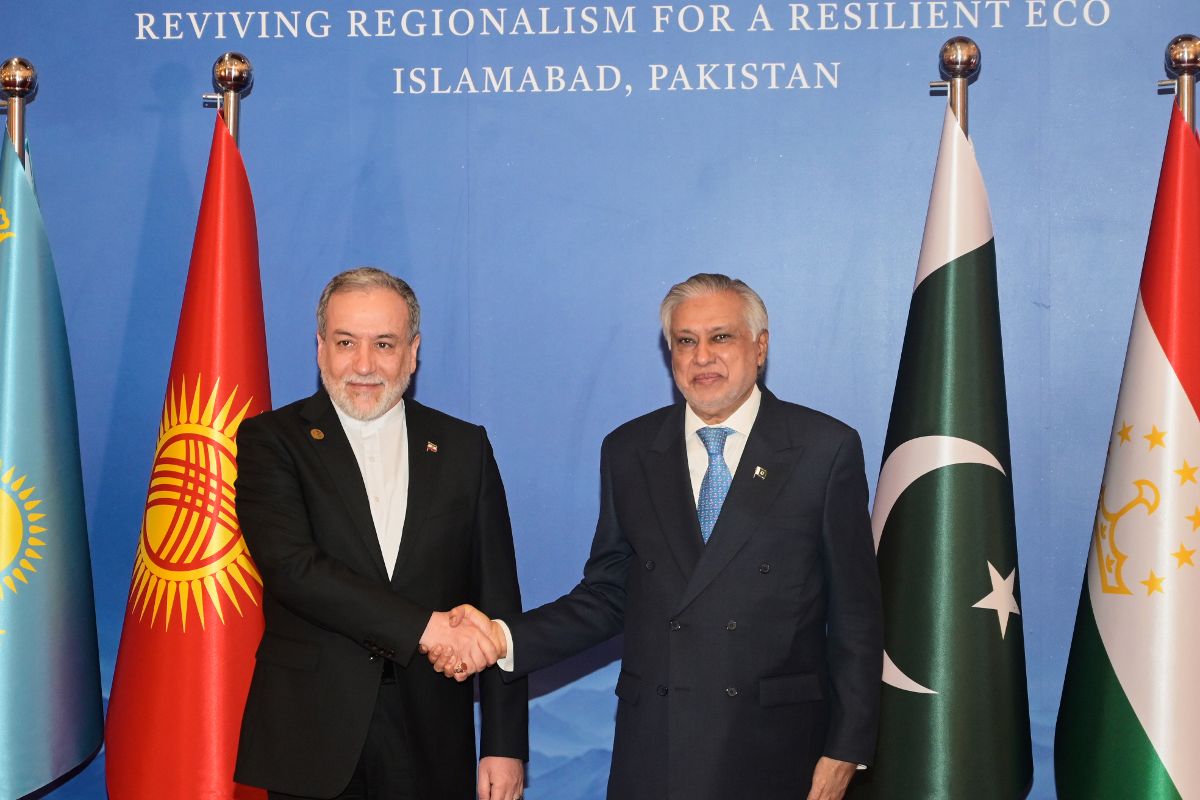
ISLAMABAD (AP) — Pakistan Foreign Minister Ishaq Dar said his country would proceed with diplomatic efforts to ease tensions between the United States and Iran with the support of other regional countries gathered Monday at a meeting of the Economic Cooperation Organization.
The meeting of the 10-member ECO in Pakistan’s capital Islamabad was attended by foreign ministers and senior diplomats from several Asian countries, including Iranian Foreign Minister Abbas Araghchi.
Get The Latest News!
Don't miss our top stories and need-to-know news everyday in your inbox.
The meeting is expected to focus on expanding regional cooperation, particularly in trade and commerce, through stronger transportation and trade links between members including Afghanistan, Iran, Pakistan, Turkey and several former Soviet republics.
Dar also said improved ties with neighboring Afghanistan depended on the Afghan Taliban government’s actions to stop terrorism. There was no diplomat from Afghanistan at the meeting on Monday.
Tensions between Pakistan and Afghanistan have escalated this year during repeated border clashes and Pakistani airstrikes, deepening a longstanding dispute over militant activity.
Pakistan hosted the first round of direct talks in April between the U.S. and Iran. The two sides signed an interim deal in June to end the conflict while accusing each other of prolonging the standoff over the Strait of Hormuz.
At the ECO meeting Monday, Dar said peace and stability were essential for economic development and that Pakistan remained “deeply concerned about conflict and instability” in the region.
“Their consequences extend beyond national boundaries, disrupting trade routes, energy supplies, investment, and the economic projects of our peoples,” he said. “Peace and development reinforce each other.”
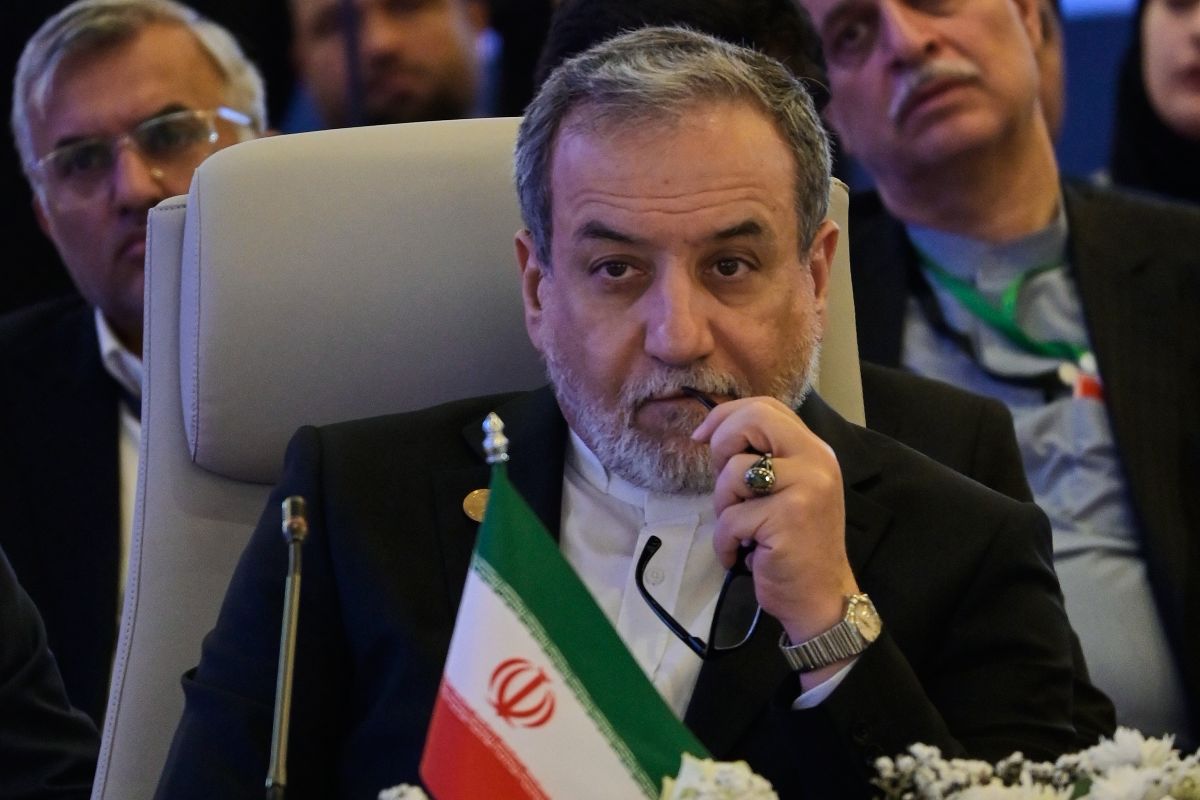
Araghchi urged ECO members to strengthen cooperation and turn shared commitments into concrete action, adding that Iran had consistently upheld international law and the peaceful settlement of disputes, Iran’s state-run IRNA news agency reported.
“Over the past two years, Iran has remained committed to diplomatic engagement and peaceful solutions,” he said.
Araghchi accused the U.S. of pursuing “aggression, threats, targeted assassinations, economic coercion, and blockades,” which he described as violations of international law and the U.N. Charter. He blamed the U.S. and Israel for insecurity in the Persian Gulf and developments surrounding the Strait of Hormuz.
“This reality cannot be misrepresented,” Araghchi said.
Pakistan has consistently advocated for “the peaceful resolution of disputes through dialogue and diplomacy in accordance with international law and the United Nations Charter,” Dar said, adding that Pakistan Prime Minister Shehbaz Sharif and army chief Field Marshal Asim Munir remained closely engaged with regional countries and international partners to facilitate peaceful outcomes.
“Pakistan will continue these diplomatic efforts in support of dialogue, de-escalation and lasting regional stability,” Dar said.
Pakistan has repeatedly called for reopening the Strait of Hormuz. The closure of the strategic waterway has caused a sharp increase in oil prices and impacted Pakistan's ailing economy.
Pakistan wants its neighbor Afghanistan to be peaceful, prosperous and stable, fully integrated into the ECO framework and at peace with itself and neighboring countries, Dar said.
“Such an outcome would serve not only the Afghan people, but also the wider region, opening important avenues for trade, transit and economic cooperation,” he said. “At the same time, meaningful progress requires the Afghan authorities to address the legitimate security concerns of the neighboring countries, particularly the threat of terrorism.”
Pakistan frequently accuses Afghanistan’s Taliban government of sheltering the Pakistani Taliban, known as Tehrik-e-Taliban Pakistan, or TTP, as well as the outlawed Baloch Liberation Army, or BLA, and al-Qaida in the Indian Subcontinent, an affiliate of the global extremist network.
The TTP is separate but closely allied with Afghanistan’s Taliban and has been emboldened since the Taliban returned to power in 2021. Pakistan says militant violence has surged because of the Afghan government's support of TTP and other Pakistani militants, a charge Kabul denies.