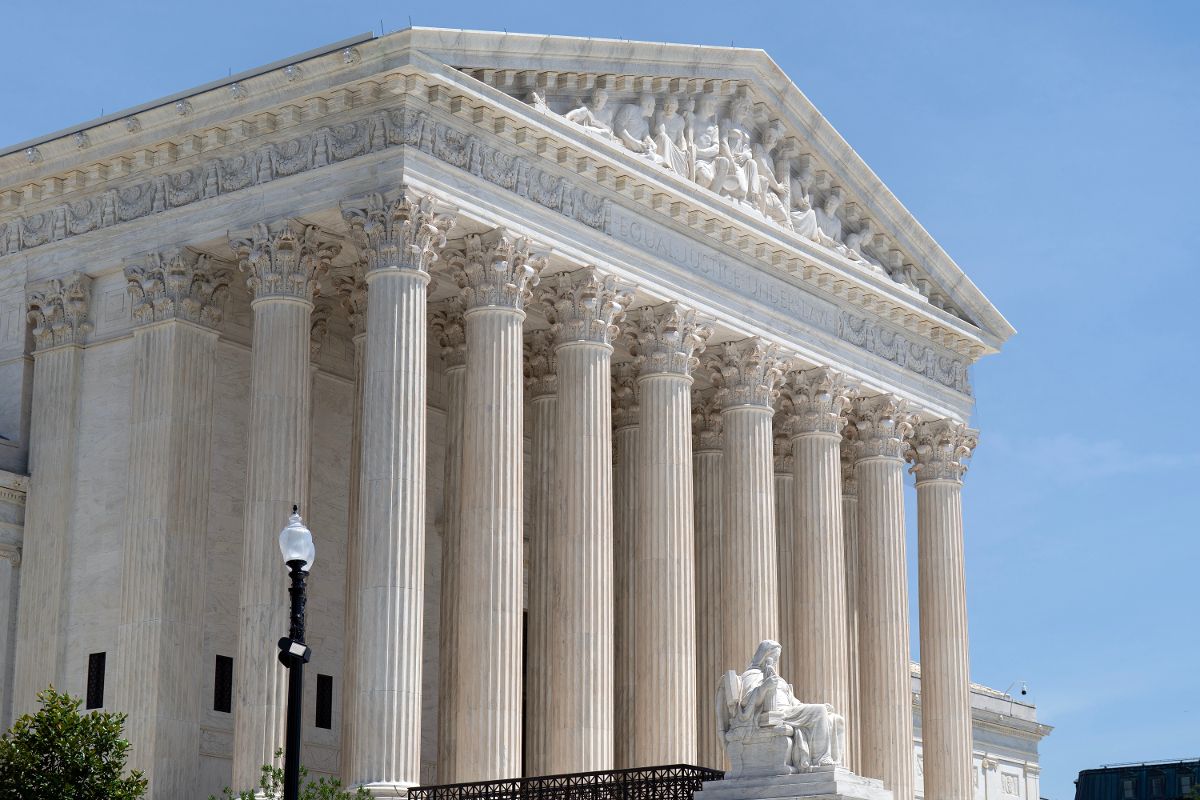
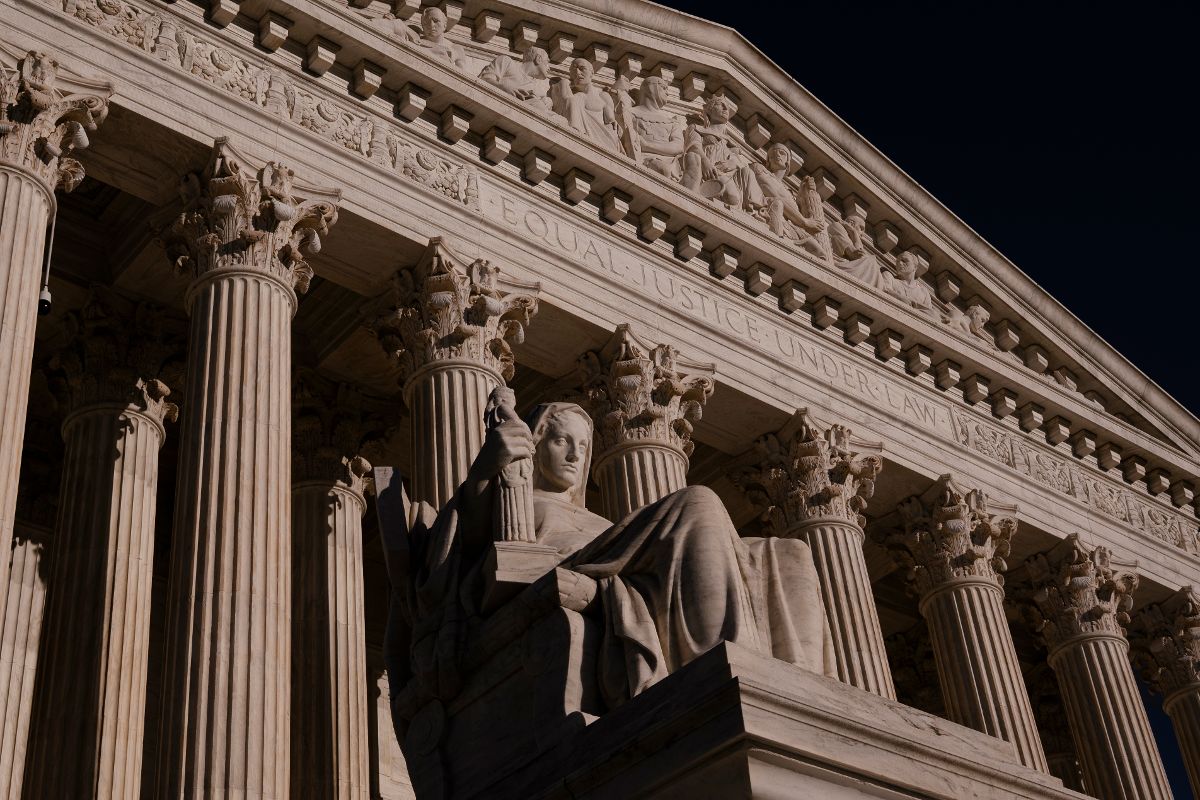
WASHINGTON (AP) — The Supreme Court on Monday rejected a Trump administration appeal on DEI funding cuts to academic research even as some conservative justices raised questions about implicit bias training in a separate case.
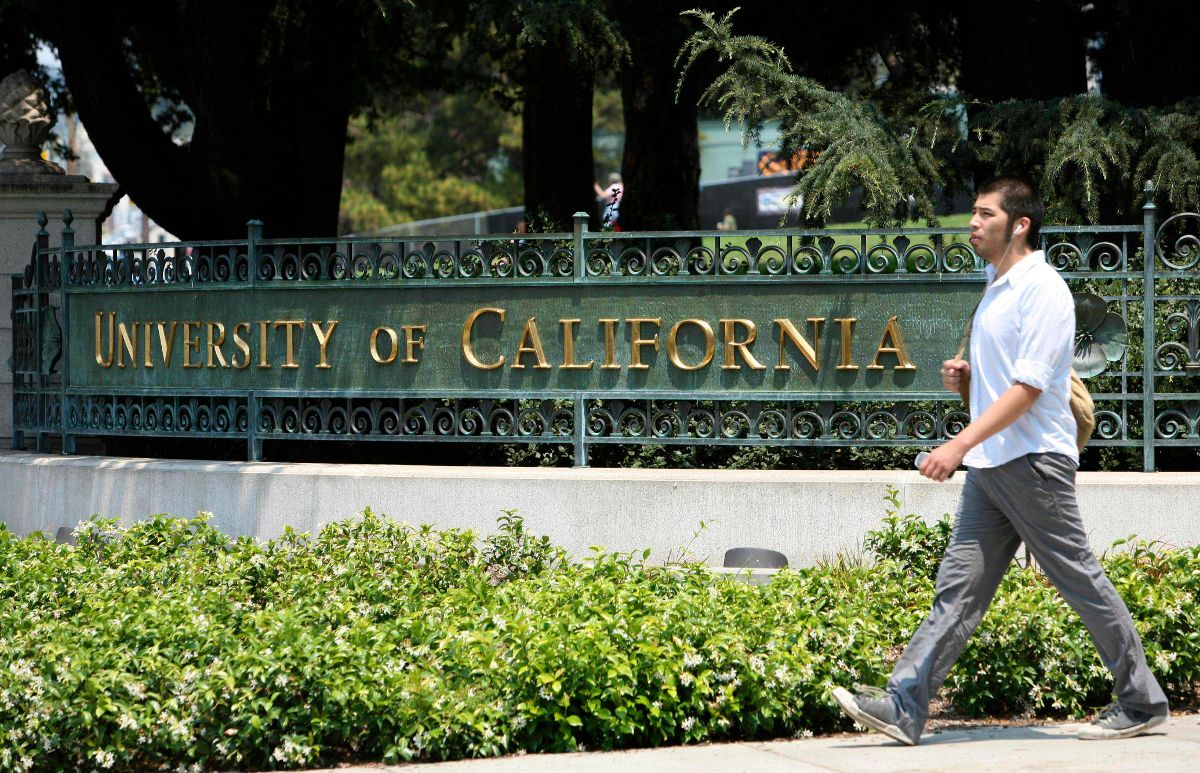
The justices’ first decision left in place lower court rulings that the Trump administration likely ran afoul of the First Amendment when it terminated millions of dollars in grants to University of California researchers.
Get The Latest News!
Don't miss our top stories and need-to-know news everyday in your inbox.
The cuts came after an executive order issued in January 2025 telling the government to end programs linked to DEI, which stands for diversity, equity and inclusion. The Trump administration argued that the government is not obligated to continue funding research that no longer fits its priorities.
The lawsuit, which involves only a portion of the Trump administration’s research funding cuts, will continue to play out.
No justices publicly dissented from the brief order declining to hear the case.
The Supreme Court also declined Monday to hear a challenge to California’s requirement for continuing medical education courses to include discussion of how unconscious bias can affect healthcare outcomes.
In that case, though, three conservative justices voiced an interest in the claims. Justices Clarence Thomas and Samuel Alito dissented, saying the requirement raises questions about state regulation of private speech.
Justice Neil Gorsuch also noted briefly that he would have heard the case.