
President Donald Trump on Monday halted the planned detonation of several tons of degraded bomb-making material at an Iowa ammunition plant, urging a federal appeals court to first sign off on what he called the safest way to handle the situation.
The detonation of 68 barrels of lead azide was initially planned for last Friday, but the Army has since changed the date three times following an outpouring of public concern about potential health and environmental effects. They had planned for a detonation this coming Wednesday, saying the weather was most favorable that day.
Get The Latest News!
Don't miss our top stories and need-to-know news everyday in your inbox.
The Army had no immediate comment when asked about the president’s social media post. After environmentalists sued last week in an effort to stop the detonation,
Environmentalists sued last week to stop the detonation, calling into question an emergency permit approved by the U.S. Environmental Protection Agency that cleared the way for the operation. The court temporarily halted the permit, prompting the Army to argue that it didn’t need authorization after all given that it was an emergency.
“I feel the proper course is to get rid of this longterm problem but, at the same time, have ordered the Military not to do so until such time as the Eighth Circuit agrees that we can go forward," Trump posted.
If incoming Gov.-elect Rob Sand and the court don’t agree, Trump said the administration will have no choice but to not proceed with the planned detonation, adding that he would hold the incoming governor responsible for “any and all death or destruction caused by this very unfortunate, and longterm, situation.”
Sand said in a social media post on Sunday that because of previous decisions that have already been made, “No good options exist and the situation is more dangerous and unpredictable than it ever should have been.”
He questioned why a contract to remove the explosive risk was canceled, why nothing was done and “why we are rushing to demolition now in late November.”
“The safety of Iowans should be the top priority of everyone involved,” he said. “All relevant federal, state and local government resources should be focused on protecting everyone that could be impacted.”
Some residents near Middletown, where the ammunition plant is located, have been sealing their windows and doors as a precaution to keep out any lead dust that might result from the detonation. Others who live farther away were raising concern on social media about the possible paths that the plume could take depending on shifts in the wind.
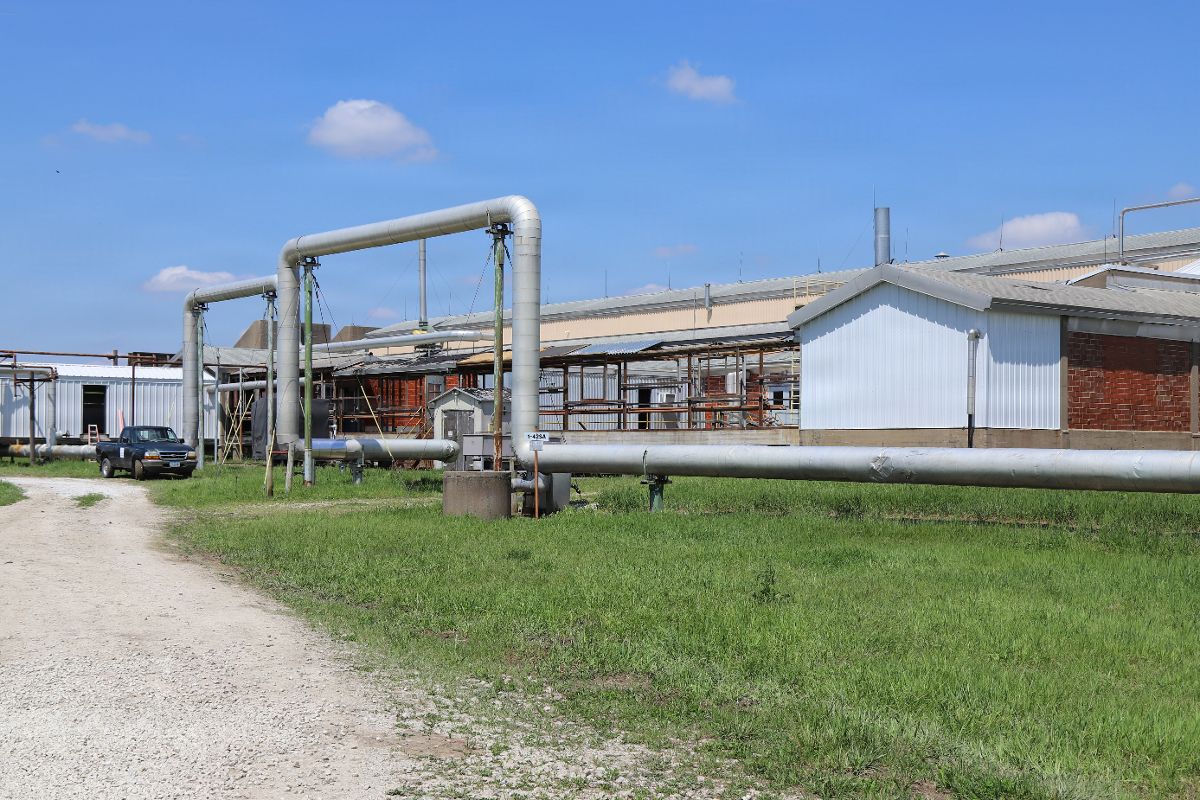
Officials acknowledge that lead is toxic and have recommended that people stay indoors whenever the detonation happens and clean off outdoor surfaces with water afterwards to limit exposure to any lead particles.
Middletown Mayor Rodney Johnson said the detonation must take place “so we can move on with our lives.”
“Improper storage and disposal is where things go wrong,” he said on social media.
Rachel Rintelmann, an attorney with the environmental group Earthjustice, said Monday she could not yet say what impact Trump’s call for the military to stand down may have on the case.
“What I can say is that this post only adds further confusion to a situation that has already caused chaos in the lives of impacted communities,” Rintelmann said. “The people of Iowa deserve better than this.”
In court filings over the weekend, Army Col. Aaron Teller, a munitions emergency response specialist, explained that less liquid inside the barrels means the solution inside is more susceptible to freezing, which increases the sensitivity of the crystals that have formed around the inside of the rim and underside of the lids.
“Even a small amount of friction can break the crystal formation, causing an explosive chain reaction,” he said in his declaration to the court.
In March, staff at the Iowa Army Ammunition Plant found several dozen barrels of degraded lead azide, which is used in munitions production. Crystallization of the material created an unstable and dangerous situation, prompting the Army to assemble experts in munitions chemistry, engineering and environmental safety to come up with a plan.
According to EPA documents, alternatives such as neutralizing and decomposing the drums’ contents with other chemicals were considered. But officials said handling the drums would increase the probability of an accidental, fatal detonation.
The environmental groups disagreed, arguing in their court filings that other alternatives were not fully considered. They also criticized officials for not sharing more information with the public.
Officials contend that the risk of an uncontrolled explosion is growing, particularly as temperatures drop. They said there is a risk that the chemicals may explode as temperatures are expected to drop below 30 degrees Fahrenheit (-1 Celsius) in the coming days.