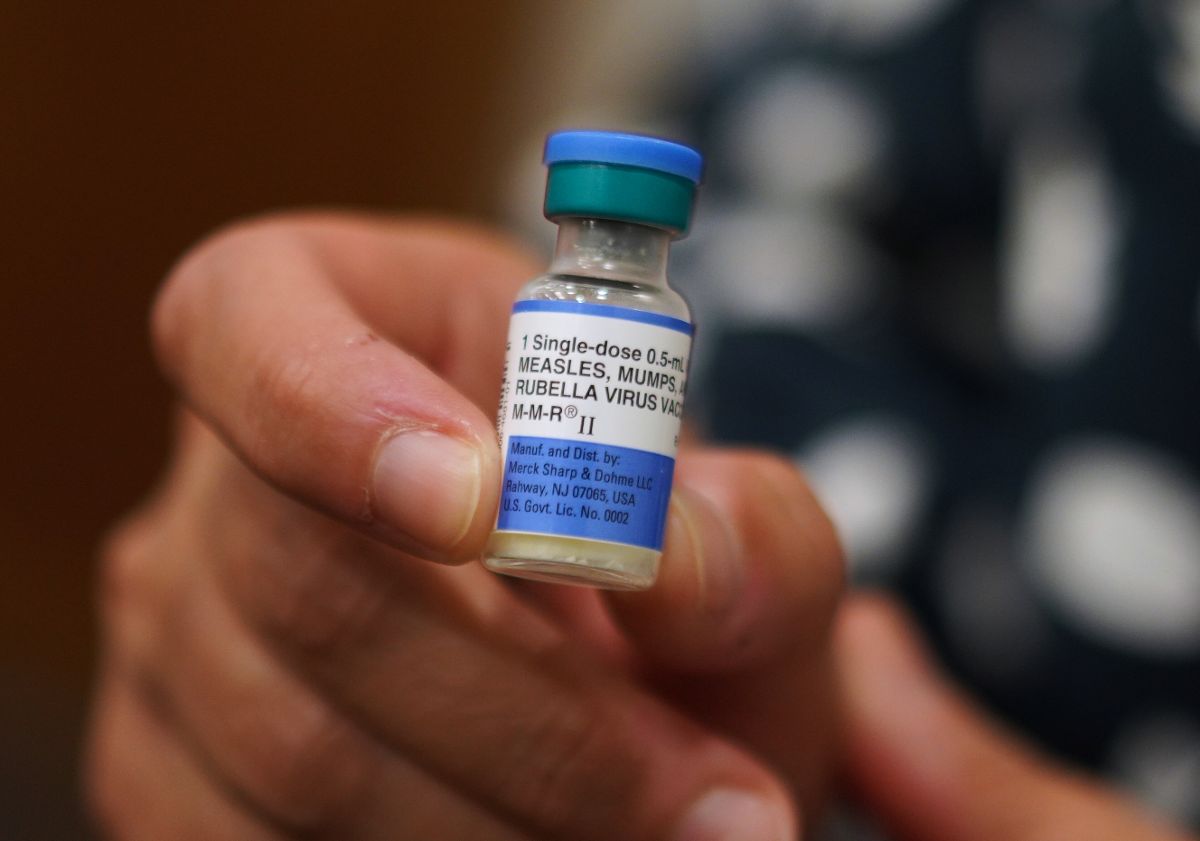

CAPE TOWN, South Africa (AP) — South Africa’s Biovac said Wednesday that a new manufacturing facility aims to dramatically increase African production of vaccines by the end of 2028 to help reduce the continent’s heavy reliance on imported doses.
Africa needs more than 1 billion vaccine doses a year, but only around 1% of them are manufactured on the continent, according to the Africa Centers for Disease Control and Prevention.
Get The Latest News!
Don't miss our top stories and need-to-know news everyday in your inbox.
Biovac, a public-private pharmaceutical company that's part-owned by the South African government, distributes or does end-stage production for vaccines for polio, tuberculosis, tetanus and other diseases.
It's also seeking regulatory approval to start end-to-end production of an oral cholera vaccine by late 2028, company officials said.
It would be the first cholera vaccine manufactured entirely in Africa and only the second vaccine produced end-to-end on the continent, following a yellow fever vaccine produced by Senegal's Pasteur Institute.
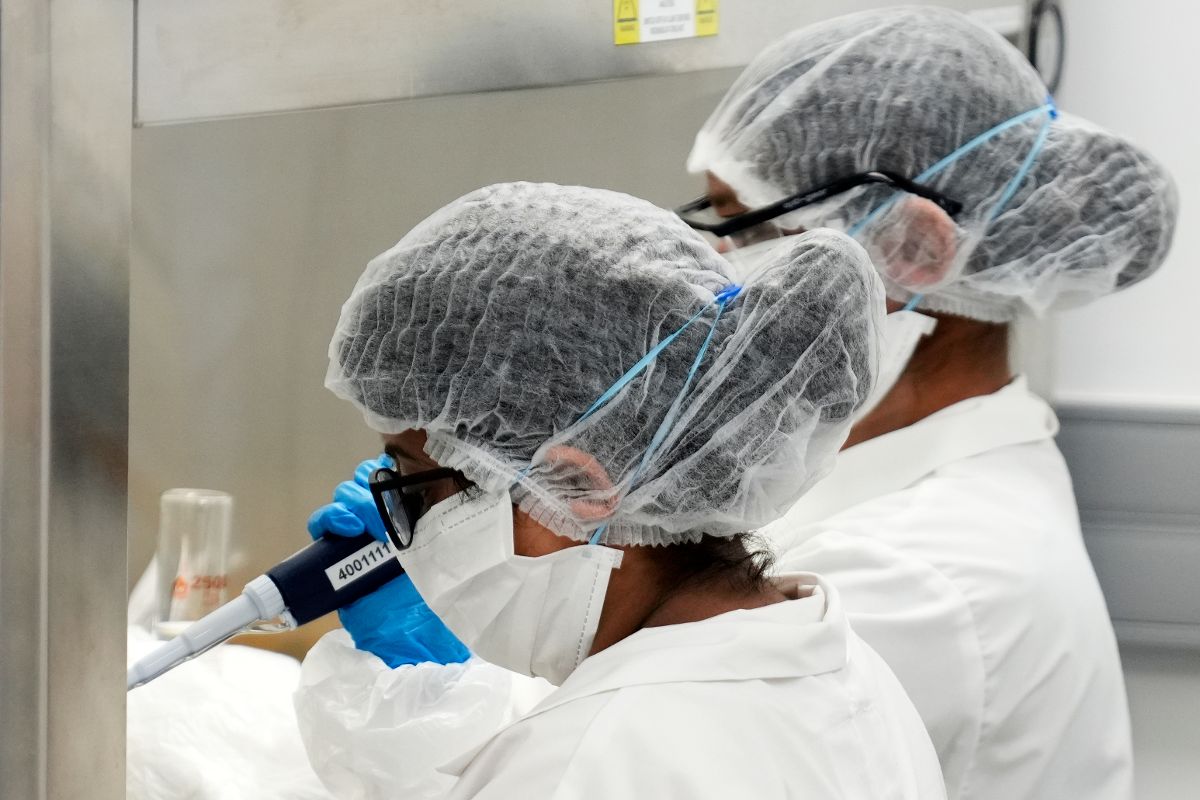
Biovac acquired the base technology for its cholera vaccine from the International Vaccine Institute in South Korea, Biovac CEO Morena Makhoana said. He added that the vaccine is currently undergoing clinical trials and the company expects to have initial safety and efficacy data by June.
Biovac plans to upscale its overall vaccine production by building a new manufacturing facility next to its current base in Cape Town with support from the European Union's investment bank.
The bank has lent Biovac 75 million euros ($82 million) to help finance the new production center and European Investment Bank Vice President Ambroise Fayolle visited Biovac on Wednesday.
“It is important because we believe in science and we believe the benefits can reach beyond vaccine production,” Fayolle said, adding that health resilience should be a global priority.
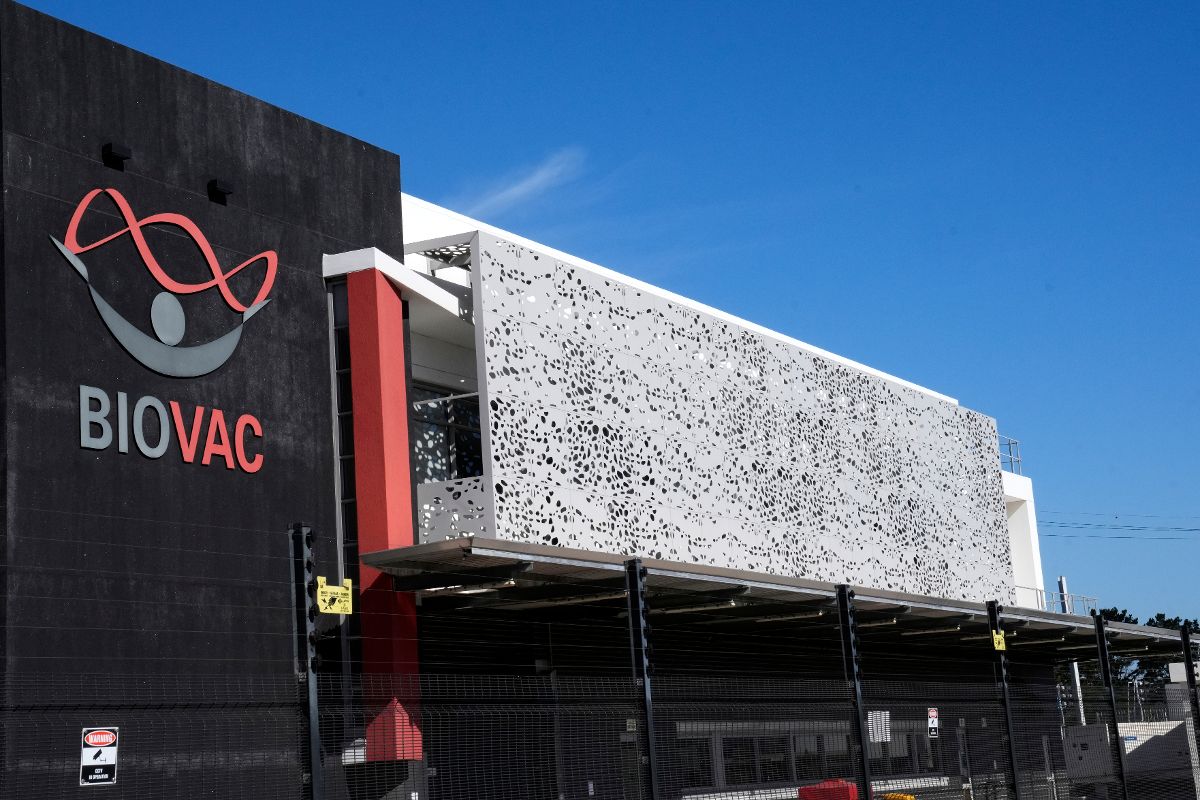
Biovac chief operations officer Mark MacNaughton said the new facility would give the company the potential to produce around 150 million vaccine doses a year. That would include 30 to 40 million doses of the new cholera vaccine, if it is given regulatory approval, Biovac said.
Cholera, a waterborne bacterial disease, kills thousands of people every year in Africa. A global shortage of cholera vaccines from around 2022 caused the suspension of immunization campaigns in parts of Africa, epitomizing how reliant the continent of more than 1.5 billion is on imported vaccines.
The World Health Organization reported more than 7,000 cholera deaths in Africa last year, the most in more than two decades.
Cholera vaccination campaigns on the continent only restarted this year.
During the COVID-19 pandemic, African governments were left at the back of the vaccine queue and had to scramble to secure doses.
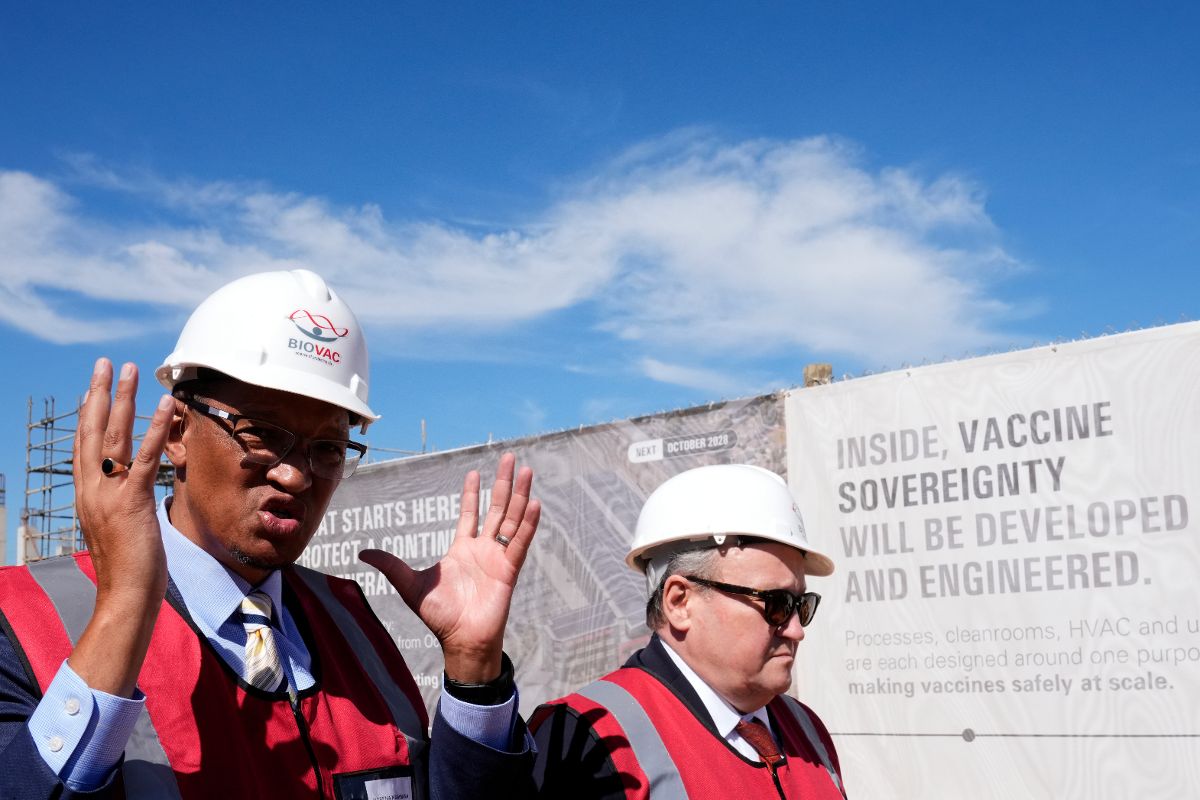
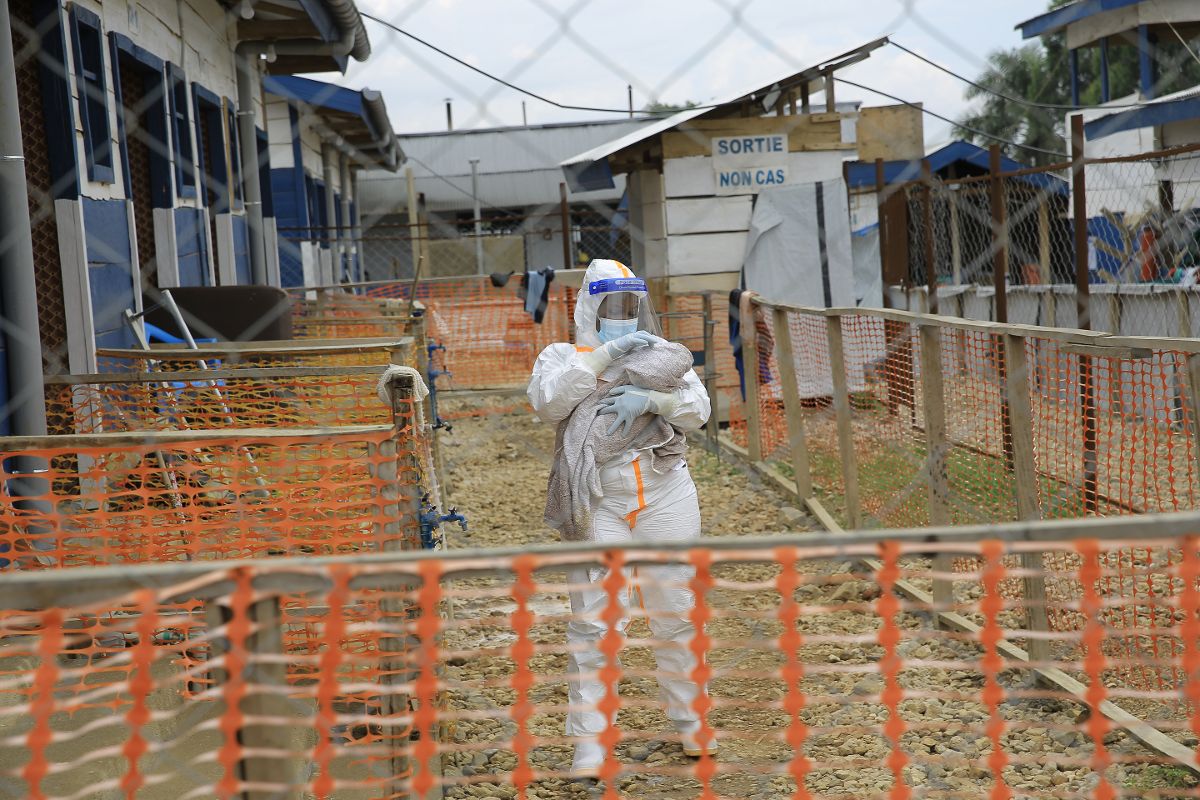
The ongoing Ebola outbreak in Congo, which has killed more than 5,000 people, is another indication of how desperately Africa needs to increase its local vaccine production, health officials have said.
The African Union has set a target for the continent to produce 60% of its vaccines by 2040, though that's seen as a steep challenge.
___
For more on Africa and development: https://apnews.com/hub/africa-pulse
The Associated Press receives financial support for global health and development coverage in Africa from the Gates Foundation. The AP is solely responsible for all content. Find AP’s standards for working with philanthropies, a list of supporters and funded coverage areas at AP.org.